

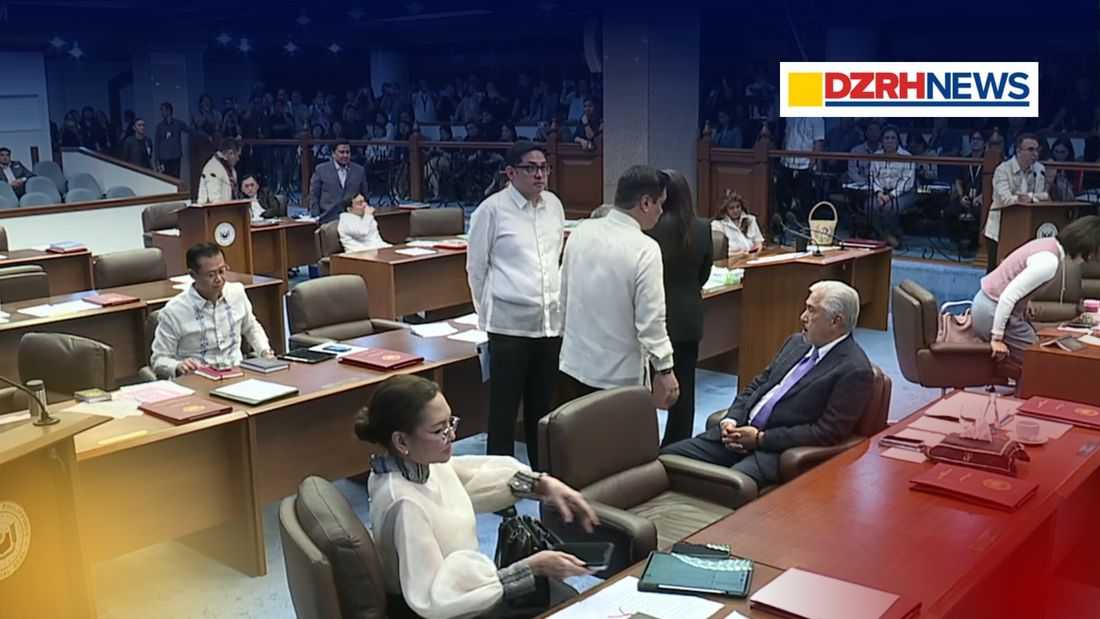
Senators on Tuesday night engaged in a heated debate over a proposal by Senator Rodante Marcoleta seeking to allow electronic voting during Senate sessions, amid conflicting interpretations of procedural rules and committee jurisdiction.
The proposal, initially filed on May 11, was referred to the Senate Committee on Rules and later presented to the plenary on Tuesday. The measure gained renewed attention following internal leadership changes that left Senate committees temporarily unconstituted.
The discussion was triggered by Senator Panfilo “Ping” Lacson, who questioned whether the Committee on Rules had properly convened before the measure was brought to the floor.
“Has the Committee on Rules been constituted?” Lacson asked, noting that all committees were vacated following the Senate shake-up.
Senate President Alan Peter Cayetano defended the move, citing Rule 51 of the Senate rules, which allows amendments through a motion approved by a majority vote of senators present.
Lacson, however, warned against bypassing committee processes.
“Does this mean we are now disregarding the committees of the Senate?” he questioned, stressing that legislative measures are typically required to undergo committee hearings before plenary action.
Senate Minority Leader Vicente "Tito" Sotto III, along with Senators Kiko Pangilinan and Risa Hontiveros, backed Lacson’s position and opposed immediate plenary consideration of the proposal.
“I suggest that we constitute the Committee on Rules and discuss it there,” Sotto said, questioning how the measure could proceed without an active committee.
Pangilinan also raised concerns about the speed of deliberations, saying minority senators were being sidelined in the discussion.
“We are several members of the minority here and only Senator Lacson has spoken. Why are we railroading this process?” he said.
He added that the motion to take up the proposal in plenary was separate from the referral to the Committee on Rules and should not be rushed.
Lacson also warned against allowing numbers alone to dictate procedure, saying, “We cannot just ram down our throats something that numbers can dictate.”
As tensions escalated, Cayetano repeatedly moved to put the matter to a vote, but minority senators objected, questioning the process.
The session ended without a vote after minority senators walked out, resulting in the adjournment of the plenary amid a lack of quorum.
