
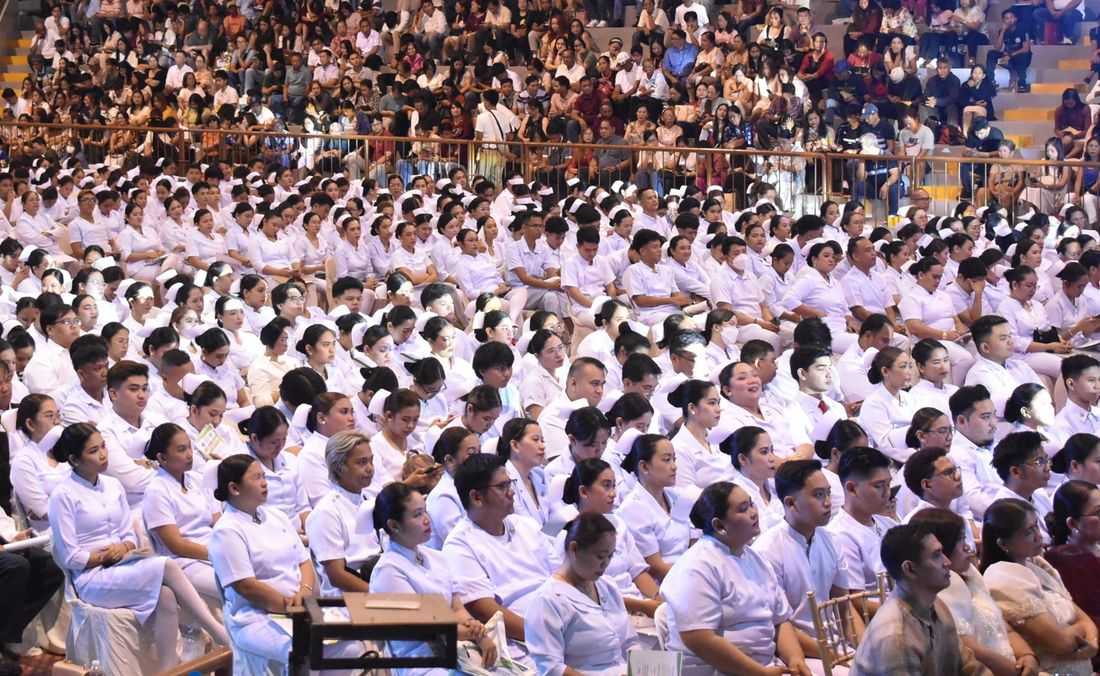
The Philippines, long recognized as one of the world’s top exporters of nurses, is now facing a deepening healthcare crisis at home as hospitals struggle with a growing shortage of nursing professionals. Experts warn that without urgent reforms, the country’s already strained health system could deteriorate even further.
Recent estimates highlight the scale of the problem. The Department of Health (DOH) previously identified a shortage of more than 100,000 nurses nationwide, with some projections placing the deficit even higher in the coming years.
More broadly, a 2026 workforce assessment warned that the Philippines could face a shortage of around 290,000 healthcare workers if gaps are not addressed, according to a February 2026 report titled “Workforce Development Plan Highlights Large Shortages in Healthcare Workers Nationwide” released by the Second Congressional Commission on Education (EDCOM II).
In hospitals, the impact is already visible. The ideal nurse-to-patient ratio of 1:12 is often exceeded, with some facilities reporting ratios as high as 1:20 to 1:50, raising concerns about patient safety and quality of care.
As reported by the University of the Philippines (UP), the country produces thousands of nursing graduates annually, yet continues to lose many of them overseas. This has created what analysts call a “brain drain” paradox: a country with a strong nursing education system but insufficient local workforce retention.
In a report by an international media, as of 2021, the DOH estimated about 316,000 licensed Filipino nurses—or roughly 51%—were working abroad, drawn by significantly higher salaries and better working conditions.
Meanwhile, at the end of 2022, only about 170,000 nurses remained in local health facilities, even as hundreds of thousands left the profession or shifted careers.
The exodus continues. Between 2022 and 2024 alone, an estimated 30,000 more Filipino nurses left for overseas jobs, further draining the domestic workforce, according to a report by the Department of Migrant Workers (DMW).
Why nurses are leaving
As Filipino rapper Gloc-9 once captured in his lyric, “Napakaraming nurse dito sa amin, ngunit bakit tila walang natira. Nag-aabroad sila,” a line that reflects a painful reality: the Philippines trains many nurses, but too few stay due to deep structural problems in the health system.
Behind this steady outflow is not a single cause but a pattern of structural pressures that push nurses away from local hospitals and toward opportunities abroad:
-
Low salaries and delayed benefits compared to international standards
-
Heavy workloads and understaffing, leading to burnout
-
Limited career growth opportunities
-
Job insecurity, particularly in private hospitals
Burnout has become a major concern, with studies showing that overwork and poor working conditions are pushing many nurses to resign, change careers, or migrate abroad, further worsening the shortage, according to a study by De La Salle University professor Dr. Rowalt Alibudbud.
This was further intensified during the COVID-19 pandemic, when some hospitals reportedly experienced resignation rates of up to 40%, according to a study by UP - Manila.
Long-term consequences
The shortage is not just a staffing issue—it directly affects healthcare delivery. Fewer nurses mean longer wait times, reduced patient monitoring, and increased risks in emergency and critical care settings.
Health experts also warn that rural and underserved areas are hit hardest, as they struggle even more to attract and retain qualified personnel.
If trends continue, the International Council of Nurses said that the country could face a shortage of up to 250,000 nurses by 2030, further weakening its healthcare system.
What needs to change
Addressing the nurse shortage requires more than producing new graduates; analysts stress the need for systemic reforms focused on retention and workforce sustainability.
Key priorities include improving salaries and benefits, reducing workloads and nurse-to-patient ratios, strengthening career development opportunities, balancing labor export with local healthcare needs, and investing in long-term health workforce planning and data systems.
The country's reliance on exporting nurses has long been an economic strategy, but it now poses a challenge to national health security.
"The Philippines paradoxically faces a severe shortage of healthcare professionals while simultaneously being a major exporter of these workers,” a UP research study stated on April 10, 2025.
As hospitals continue to struggle with understaffing, the question remains whether policymakers can strike a balance between global demand for Filipino nurses and the country’s own healthcare needs.
