
The Philippine Atmospheric, Geophysical and Astronomical Services Administration (PAGASA) warned Wednesday of a possible intensification of the ongoing Strong El Niño in the Tropical Pacific, with the climate phenomenon expected to become “Very Strong” between September and December 2026 and may persist through the first half of 2027.
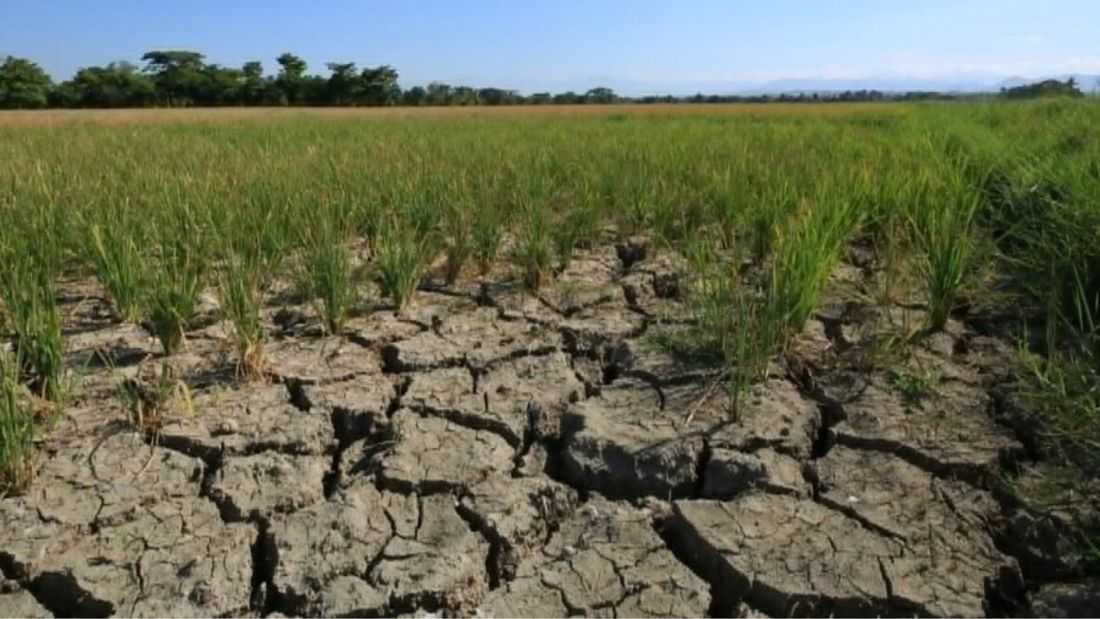
PAGASA said the phenomenon could bring warmer temperatures and below-normal rainfall across most parts of the Philippines, increasing the risk of dry spells, drought and water supply shortages.
Prolonged rainfall deficits could also affect agriculture, food security, water resources, energy production, public health and the broader economy, the weather bureau said.
El Niño, the warm phase of the El Niño-Southern Oscillation, is characterized by abnormally warm sea surface temperatures in the central and eastern equatorial Pacific and cooler-than-average waters over the Philippine Sea.
Despite the expected drier conditions, PAGASA cautioned that localized periods of heavy rainfall could still occur due to the southwest monsoon, or Habagat, and active tropical cyclones, particularly over the western sections of the country.
The agency urged government agencies, climate-sensitive sectors and the public to prepare for potentially prolonged dry conditions and implement water conservation and other mitigation measures.
Science and Technology Secretary Renato U. Solidum Jr. called on local government units and key sectors to take early, data-driven measures, including adjusting farming schedules and preparing communities, infrastructure and essential services.
"Climate information must be utilized before a crisis strikes," said Solidum
PAGASA Administrator Nathaniel V. Servando said the agency would continue monitoring the development of El Niño and provide timely updates to government agencies and the public.
The weather bureau said authorities and communities should remain prepared for both prolonged drought conditions and sudden episodes of heavy rainfall as the climate pattern develops.
