
Autism Spectrum Disorder (ASD) is a neurodevelopmental condition that affects communication and social interaction, often without visible physical signs.
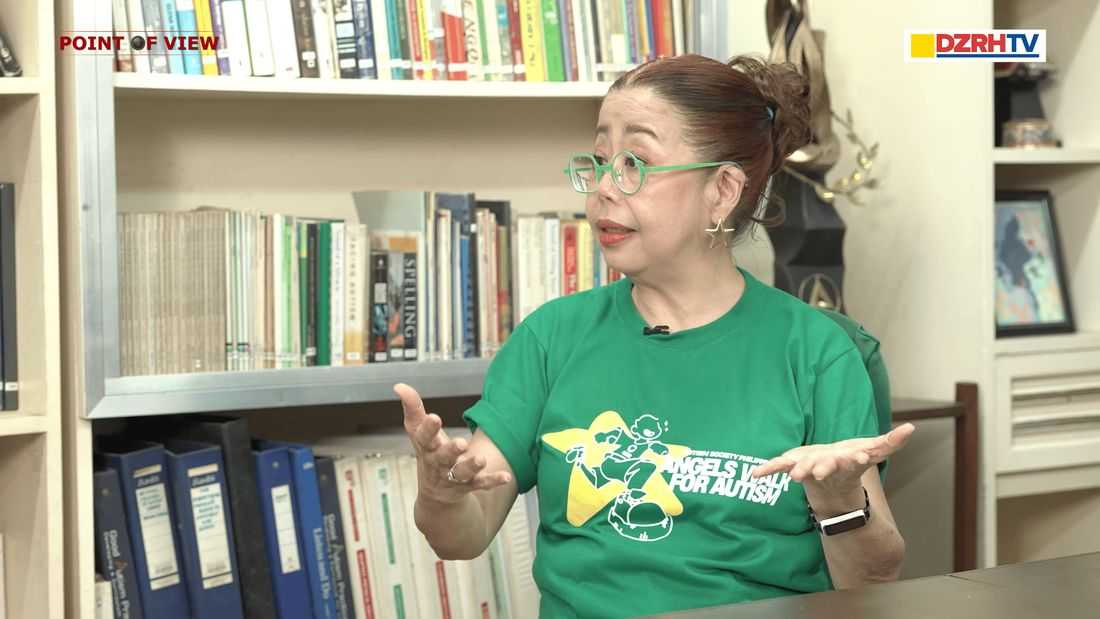
In an interview on DZRH Television's Point of View, Erlinda “Dang” Koe, Chair Emerita of the Autism Society Philippines and Honorary Chairman of the ASEAN Autism Network, emphasized that autism is an “invisible disability,” making it difficult to recognize despite everyday encounters.
Diagnosis of ASD does not rely on a single medical test but is based on a series of developmental assessments and observations by specialists, such as developmental pediatricians. These evaluations compare a child’s behavior, communication, and social skills with typical developmental milestones to determine if they fall within the spectrum.
As a spectrum, each person with autism has different abilities and experiences. Koe explained that some individuals can communicate and live independently, while others require more support, but all have unique strengths and potential.
One of the biggest challenges is society’s misconceptions about autism. According to Koe, individuals on the spectrum are often mislabeled as rude or undisciplined, when in reality their behaviors are influenced by sensory and developmental differences beyond their control.
Moreover, people on the spectrum are more vulnerable to bullying due to their distinct ways of interacting. Koe noted that while laws and programs exist, gaps in implementation and public awareness continue to put individuals with autism at risk.
Ultimately, the interview highlights that education and understanding are key to building an inclusive society. Koe stressed that through awareness and collective action, Filipinos can create a more accepting environment where individuals with autism are empowered to thrive.
