

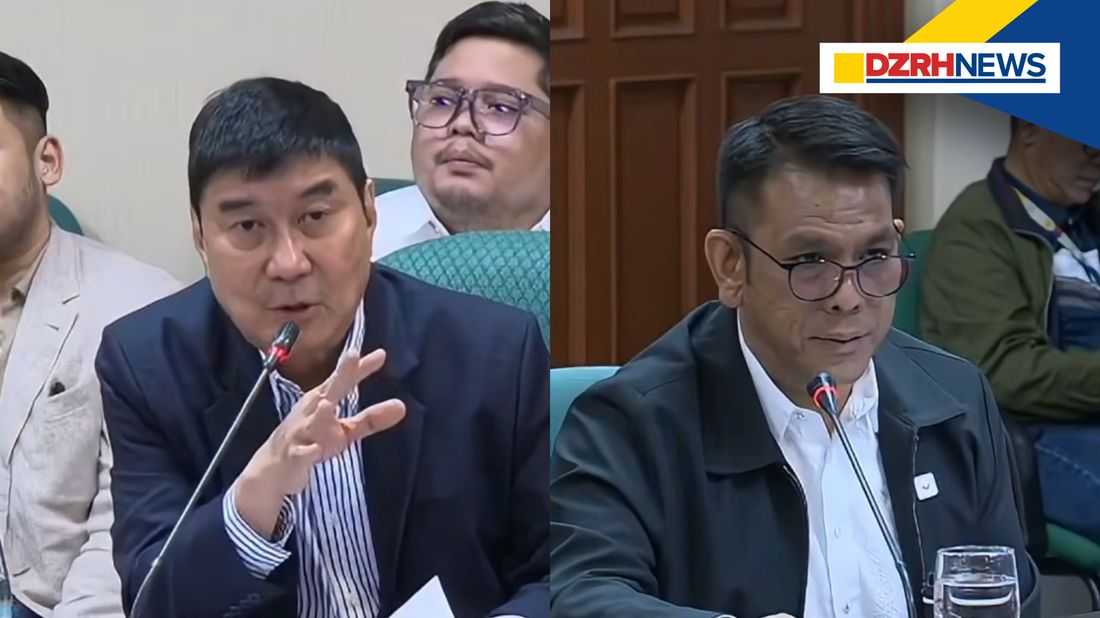
Senator Raffy Tulfo confronted newly appointed Food and Drug Administration (FDA) Officer-in-Charge Franklin Tabaquin during the Senate budget hearing on Friday, September 4, questioning his appointment and alleged pending graft and corruption cases before the Office of the Ombudsman.
Tabaquin, who has served as FDA OIC for only two weeks, told the Senate Committee on Finance that he previously worked for another government agency before applying to the FDA. He said he was recruited by former FDA chief Paolo Teston and later assumed positions within the agency.
Tulfo asked Tabaquin about the alleged Ombudsman cases, particularly accusations involving graft and corruption. Tabaquin maintained that the allegations involved delays that occurred before he assumed his current positions.
He explained that he became OIC Deputy Director for Operations in October last year, was formally appointed deputy director in July, and had been serving as FDA OIC for only two weeks.
Tulfo, however, strongly questioned Tabaquin's qualifications and alleged association with Teston.
“You don’t deserve to be the Director General because maraming pang mas magagaling dyan sa’yo,” Tulfo said, emphasizing that several long-serving FDA officials were more familiar with the agency’s operations and, in his view, more qualified for the position.
Tulfo also alleged that Tabaquin was being promoted because of his connection with Teston, whom the senator criticized over alleged irregularities during his tenure at the FDA.
“For me, ikaw ay bata ni Teston,” Tulfo said, suggesting that Tabaquin could continue policies or practices associated with the former FDA chief.
Tulfo said he would bring the matter to the Senate Blue Ribbon Committee for a broader discussion and investigation.
The heated exchange took place during the Senate Committee on Finance hearing on the Department of Health’s proposed 2027 budget.
Tabaquin’s alleged cases and his qualifications for the FDA leadership position remain matters for appropriate authorities to determine. The allegations do not establish guilt, and individuals accused of wrongdoing are presumed innocent unless proven guilty in court.
