

Economists and policymakers must reassess the impact of fuel taxes on the poor, as rising costs of basic commodities and utilities are expected to worsen in the coming months, according to a former university president and economic expert.
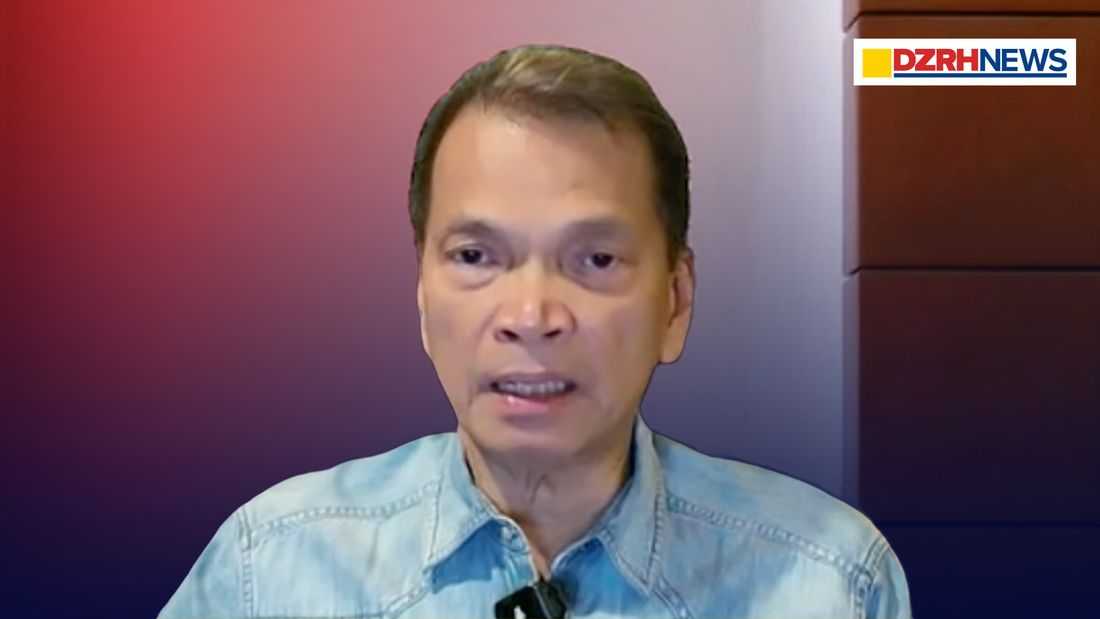
Speaking on DZRH’s Special on Saturday (SOS), Emmanuel Leyco, economist and former president of the Pamantasan ng Lungsod ng Maynila (PLM), challenged the prevailing narrative that removing excise taxes on fuel primarily benefits the wealthy.
"Masakit marinig yung sinasabi na pagka tinanggal ang excise tax, ang makikinabang lang ay ang mga mayayaman. Hindi po totoo yan," Leyco said.
"Milyon-milyon ang makikinabang pagka tinanggal po ang excise tax," he added.
The discussion comes as consumers brace for a difficult April, with projected price hikes in water, supermarket goods, Liquefied Petroleum Gas (LPG), and gasoline. Leyco noted that food prices show no signs of stabilizing, signaling a prolonged period of economic strain for Filipino households.
Leyco addressed arguments made by some economists who label the removal of excise taxes as "stupid" or regressive. Critics of the tax suspension often point to data showing that the top 10% of income earners account for the largest volume of fuel purchases.
However, Leyco argued that this data overlooks the utility of the fuel purchased.
"Yung top 10% is ginagamit po yung kanilang fuel purchases para po sa pansariling gamit. Personal na mga kotse, mga sasakyan," Leyco explained.
"Samantalang yung bottom 10%, pagka bumili po sila ng petrolyo, ito po ay ginagamit nila para lagyan ng petrolyo ang kanilang mga jeep, ang mga tricycle, at siguro po pati po yung mga fisher folks na mga kaibigan natin,” he added.
To illustrate his point, Leyco compared the passenger capacity of vehicles used by different social classes. While a private vehicle owned by a high-income earner might carry four to five people, a single public utility jeepney (PUJ) serves approximately 18 to 20 passengers per trip.
He emphasized that suspending the excise tax should be viewed as a "starting step" for the government to alleviate the heavy burden placed on citizens by the volatile global oil market.
“Yan po ay dapat panimulang hakbangin lamang ng pamahalaan para maibsan ang dinadalang bigat ng mga mamamayan dahil po sa mataas na presyo ng petrolyo ngayon sa merkado.”
While Leyco expressed confidence in the Filipino people’s resilience, he stressed that the government must identify who is carrying the heaviest load in this crisis and take direct action to ease their struggle.
