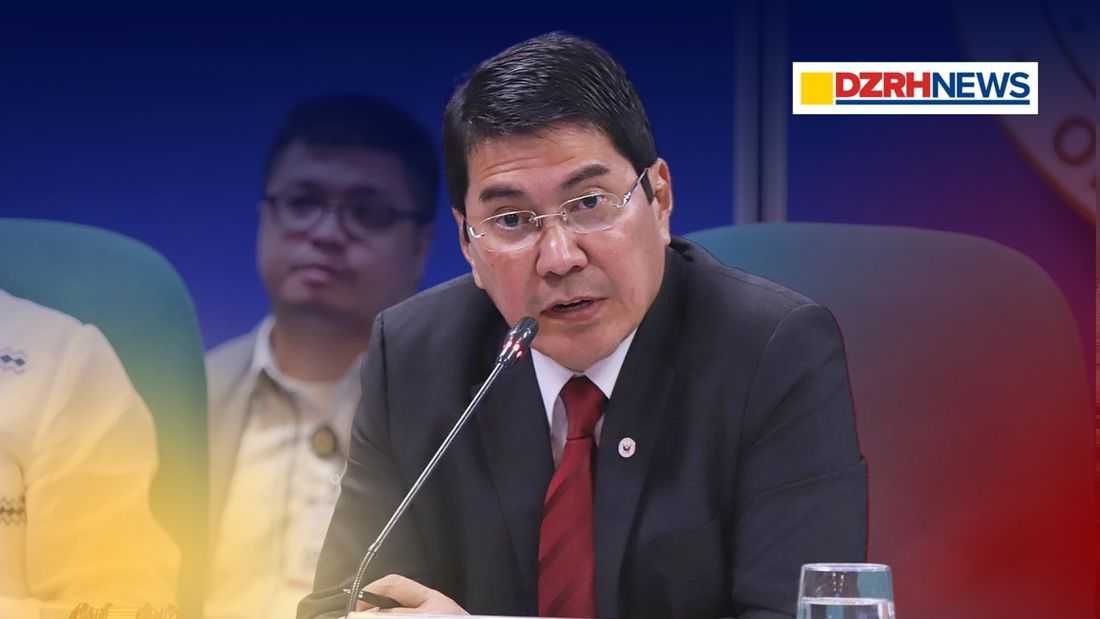
Senator Erwin Tulfo has raised concerns over the country’s preparedness for potential nuclear and radiological incidents, questioning the timeline and readiness of government agencies under a newly proposed national emergency response plan.
During a hearing of the Senate Committee on Foreign Relations on Tuesday, March 5, Tulfo pressed officials on whether concrete training programs, protocols, and public guidance systems are already in place to respond effectively to nuclear-related emergencies.
“What trainings and preparations has the National Disaster Risk Reduction and Management Council conducted in accordance with this plan? … Do we already have protocols or manuals on what to do, so that agencies and the public can be guided?” Tulfo asked.
The senator emphasized that disaster preparedness for nuclear incidents requires more than standard drills, noting that such scenarios demand specialized knowledge, equipment, and coordinated response systems.
In response, Atty. Rafael Ricalde of the Office of Civil Defense (OCD) said the government is currently finalizing a comprehensive training framework aimed at strengthening disaster risk reduction, emergency coordination, and community resilience.
Ricalde explained that the training modules—developed through consultations to align with national policies and global standards—are expected to be completed within the year, with full implementation targeted by 2027. The program will cover local government units, first responders, and partner agencies.
However, Tulfo questioned whether the timeline is sufficient given the urgency and complexity of nuclear preparedness, stressing the need for immediate and tangible measures.
He also highlighted the importance of investing in specialized protective equipment for responders, pointing out that nuclear emergencies differ significantly from common disaster scenarios such as earthquakes.
Tulfo warned that without adequate preparation, training, and resources, both responders and civilians could face heightened risks in the event of a nuclear incident, underscoring the need for faster action and clearer protocols from concerned agencies.