
By Zaw Naing Oo and Chayut Setboonsarng
BANGKOK, April 9 (Reuters) - From fewer water guns to cancelled travel plans, rising prices brought by the Iran war have driven down expectations for spending next week during Thailand's traditional new year, or Songkran, sometimes called the world's biggest water festival.
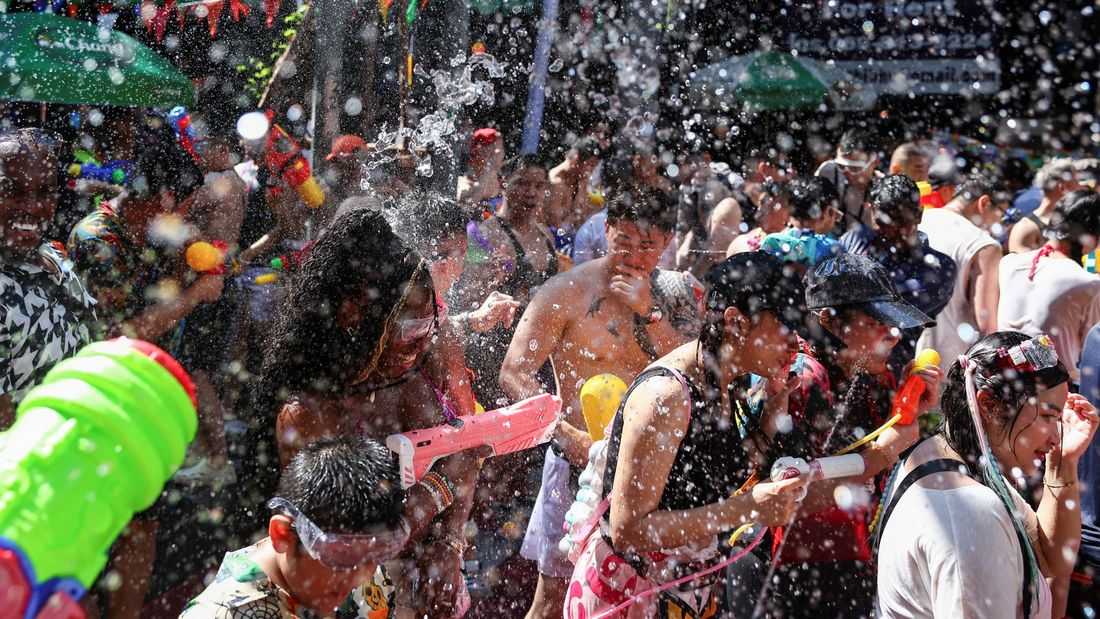
The boisterous event, officially set to run for three days from Monday, is a major draw for tourists, as revellers in colourful clothes spray water on each other in an ancient ritual that symbolises cleansing, reverence and good fortune.
But spending this year is expected to fall for the first time since the COVID-19 pandemic, said Thanavath Phonvichai, president of the University of the Thai Chamber of Commerce.
USUALLY ONE OF THAILAND'S BIGGEST SPENDING PERIODS
Expenditure during the festival, usually one of Thailand's biggest spending periods, is forecast to fall 3.7% to about 130 billion baht ($3.5 billion), a university survey showed, with 36% of respondents planning to spend less.
Songkran usually sees many Bangkok residents travel back to their hometowns from the Thai capital, helping drive spending nationwide, but some are staying put this year as higher transport and living costs crimp household budgets.
"Transport costs are too high and travelling was not possible," said Yuparat Kheowsakhu, "I live around Sukhumvit, so I'll just celebrate Songkran there."
PLANS TO SKIP FESTIVE ACTIVITIES
A separate poll by Suan Dusit Poll found that 51.42% of 1,272 respondents surveyed between March 31 and April 3 planned to skip festive activities to save money.
Sales have halved this year, said Saran Keavvichai, a vendor of water guns at the sprawling wholesale Sampeng market in Bangkok's Chinatown.
"Our sales are down a lot, so we are ordering less and profits are lower," Saran said. "Last year was much better. We are stocking less, and other merchants are not coming to buy for resale. They are afraid to invest."
(Additional reporting by Panu Wongcha-um and Orathai Sriring; Editing by Clarence Fernandez)
