

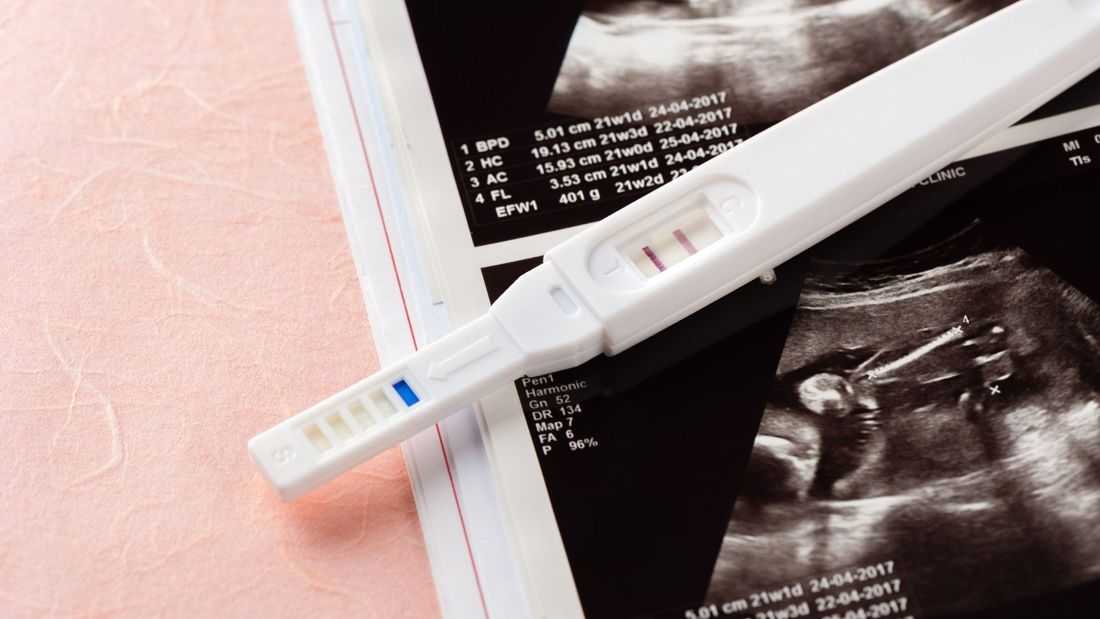
The Commission on Population and Development (CPD) has flagged a continued record in pregnancies among girls aged 10 to 14, warning that the trend remains a serious concern despite improvements among older adolescents.
Speaking on Magandang Umaga Pilipinas, CPD Program Manager and Spokesperson Mai Quiray said the agency is still awaiting updated national figures but stressed that the latest available data remain alarming.
“We're still waiting for the updated data pero ang latest data talaga natin is the eight-year-old girl who gave birth,” Quiray said.
Quiray reported that while pregnancies among adolescents aged 15 to 19 have been declining—suggesting that current advocacy and intervention efforts are working—the number of births among children aged 10 to 14 continues to rise.
She said this younger age group now requires intensified attention, urging parents to take a more active role as the primary sexuality educators of their children. Quiray also called on policymakers, community leaders, and the media to help focus public attention on the issue.
Regionally, Quiray said Regions 10 and 12 have the highest proportion of adolescent pregnancies among those aged 10 to 19, surpassing the National Capital Region (NCR) in terms of prevalence. Because of this, Malacañang has issued a presidential directive to focus government interventions in Region 10.
Under Projects 25 and 28, the government aims to reduce adolescent pregnancy in Region 10 by 25 percent by 2028, Quiray said, citing the region as particularly alarming due to the increasing number of cases.
Quiray explained that CPD is examining multiple factors contributing to underage pregnancies, including lack of parental supervision, possible sexual abuse, and exposure to inappropriate content.
“Tinitignan po ng ating office ano po yung mga reasons kung bakit doon po ba talaga tumataas. Pero syempre sa framework natin, may causal framework tayo once na nabuntis at nanganak ang isang bata.”
She noted that the legal age of sexual consent in the Philippines is 16, and pregnancies among girls aged 10 to 14 may already indicate abuse.
The CPD Spokesperson also pointed to social media as a major influence, saying it has become the primary source of information on sexuality for Filipino youth, based on the Young Adult Fertility and Sexuality Study.
“Kailangan din natin talagang tutukan yan, ano-ano ba yung mga impormasyon at exposure na nakukuha sa social media ng ating mga kabataan.”
Asked about the age of fathers in cases involving very young mothers, Quiray said CPD data show that those who impregnate underage girls are often significantly older. She added that while rare, some cases even involve senior citizens.
“Iilan, hindi naman talaga marami, pero may mga senior citizen po na makakabuntis po ng ating mga underage girls.”
Quiray said the large age gaps raise concerns about power imbalances and potentially abusive relationships, underscoring the need for stronger protection, monitoring, and coordinated action to address underage pregnancy in the country.
