
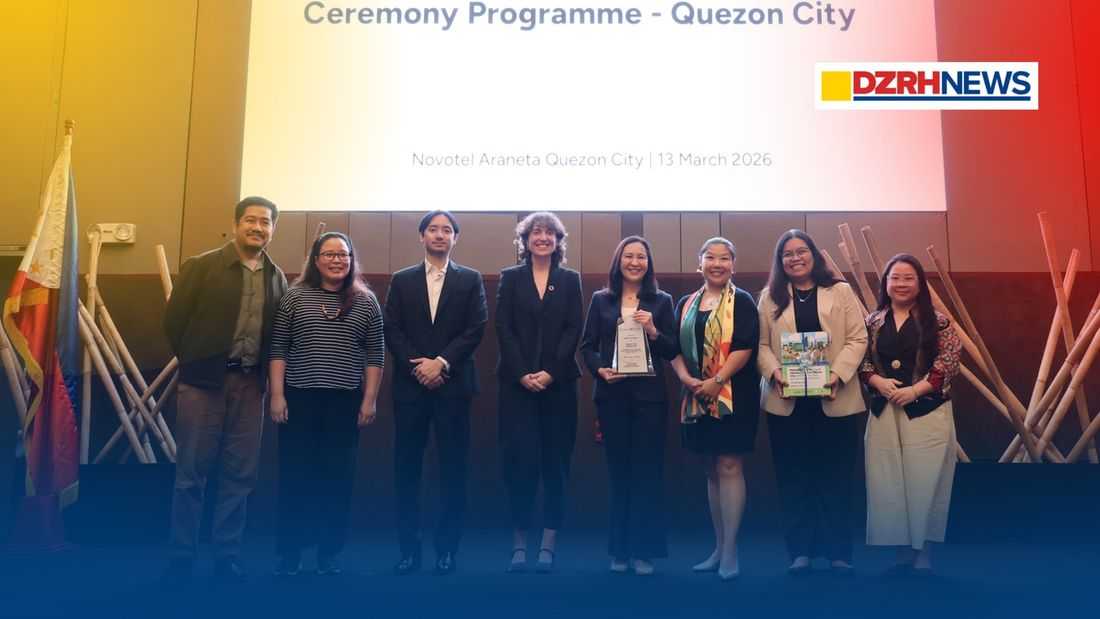
The Quezon City Government, in partnership with C40 Cities and the British Embassy Manila, formally marked the transition of the UK-funded Urban Climate Action Programme (UCAP) Climate Action Implementation portfolio to the city during a handover ceremony held at Novotel Manila Araneta City on March 13.
The event, titled “Building a Resilient and Inclusive Future,” signified the culmination of four years of collaboration aimed at strengthening the city’s climate policies and sustainability programs.
A highlight of the ceremony was the presentation of the Quezon City Green Building Code (GBC) 2025, which modernizes the city’s 2009 ordinance by raising standards for energy efficiency, water conservation, and renewable energy adoption. With the building sector accounting for about 60 percent of the city’s greenhouse gas emissions, the updated code is expected to play a major role in helping the city achieve its target of reducing emissions by 30 percent by 2030.
City officials said the new ordinance could reduce electricity consumption by up to 12 percent—or around 900 gigawatt-hours annually—by 2030. This could translate to a reduction of approximately 0.67 million tonnes of carbon dioxide emissions per year, equivalent to removing about 120,000 vehicles from the road, while also potentially cutting electricity costs for condominium residents by as much as 50 percent.
The program also highlighted Quezon City’s leadership in inclusive climate action, becoming the first local government in the Philippines to locally define good green jobs through consultations with marginalized sectors, including workers in the informal economy.
Through related initiatives and training programs, the city has integrated climate equity into the development system of more than 19,000 government employees, ensuring that the transition to a greener economy benefits all residents.
During the ceremony, the city also introduced its Solar Dashboard, a digital platform that maps solar adoption and identifies untapped rooftop generation potential across Quezon City.
The tool is expected to support policy discussions with national agencies such as the Department of Energy, the Energy Regulatory Commission, and power distributor Manila Electric Company as the city continues working toward its long-term goal of achieving a carbon-neutral future by 2050.
