

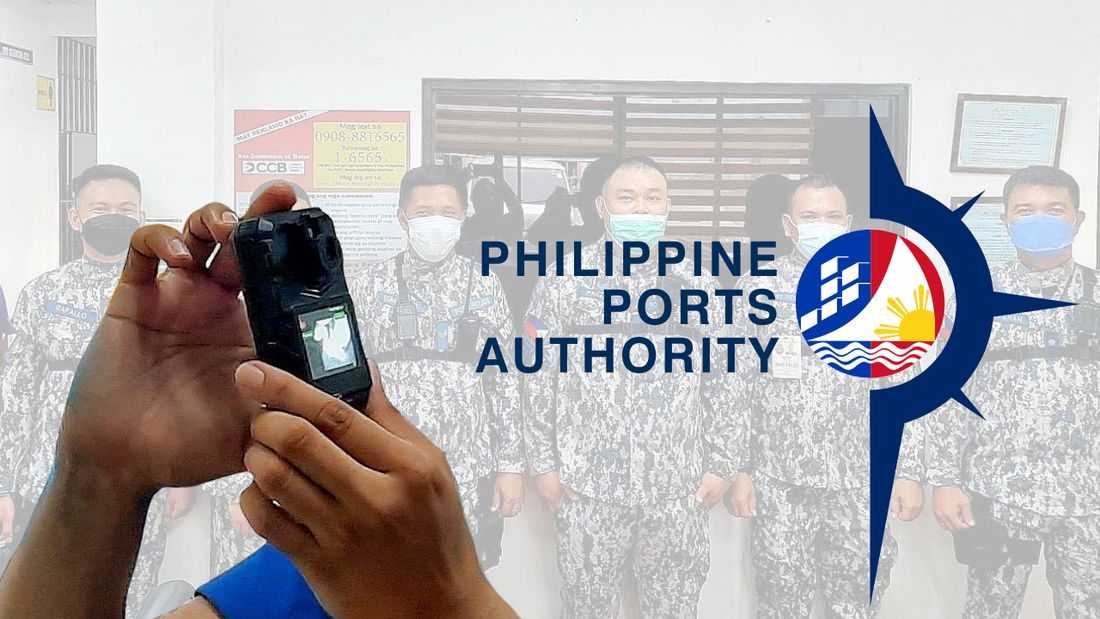
Philippine Ports Authority (PPA) General Manager Jay Santiago refuted allegations of overpricing in the agency’s body camera procurement project, saying the reported figures were based on “incorrect computations” presented to Senator Raffy Tulfo.
“Unfortunately, mukhang mali yata ang mathematics na nagamit ng staff ni Sen. Tulfo noong nabigay sa kaniya ang datos,” Santiago said in an exclusive interview in DZRH's Dos por Dos program, clarifying that the P168-million project covered more than just body cameras.
According to Santiago, the project involved a comprehensive surveillance system, not merely the purchase of cameras.
“Bagamat totoo po na ang proyektong iyan ay P168-M na ang unang phase ay 191 cameras, ang binili po nating sistema ay hindi lang po ang camera. May back-end po iyan. Mayroon po iyang network operations center. May server po iyan,” he explained.
He said the body camera initiative was divided into two phases:
-
Phase 1 (2020) — worth P168.8 million, which included 194 cameras, a network operations center, and servers;
-
Phase 2 (2022) — worth P168.68 million, which involved 161 cameras and an expansion of the network operations center.
Santiago stressed that the project aims to promote accountability and address complaints from port users who had reported instances of extortion and abuse by some police officers, enforcers, and security guards within port premises.
“Ito ay tugon sa reklamo ng port users na sa kanilang pagpunta sa port, sila ay nakikikilan ng pulis, ng enforcer, o ng security guard. Nagsimula po iyan diyan,” Santiago said.
The PPA chief added that the system also serves as a tool for evidence gathering in law enforcement operations within ports, particularly in cases involving illegal drugs and smuggled goods.
“Nakakatulong din iyan sa evidence gathering kung may na-intercept tayo na mga drugs, mga smuggled na gamit, para hindi po namamanipulate kung telepono lamang ang gagamitin ng pulis,” he said.
Santiago maintained that the procurement underwent proper bidding and followed government standards, emphasizing that the PPA “has nothing to hide” regarding its acquisition process.
