

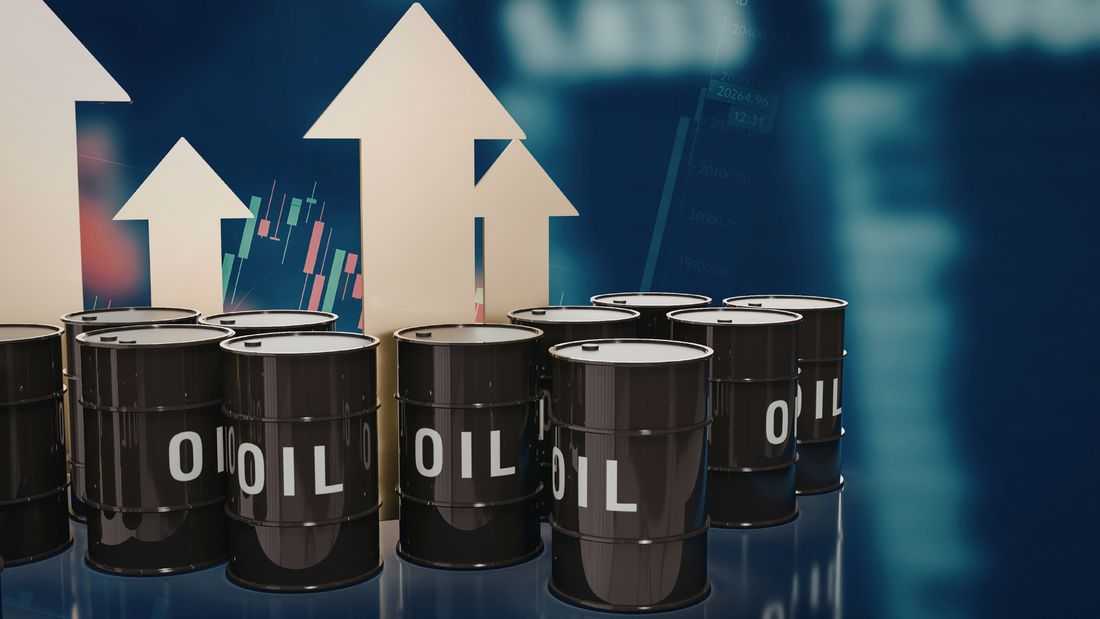
Fuel prices in the Philippines may continue to decline in the coming weeks as global oil prices ease and the peso strengthens, an economist said Thursday.
During an interview on DZRH's Dos Por Dos, Rizal Commercial Banking Corp. chief economist Michael Ricafort said recent movements in the international oil market point to a higher likelihood of further rollbacks in pump prices.
Benchmark crude oil prices have dropped below $80 per barrel, with some trading in the $70 range, while the Philippine peso has appreciated by more than one peso this week.
The combination of these factors increases the chances of lower domestic fuel prices, Ricafort said, noting that market forces remain the primary driver of price adjustments.
He explained that while fuel prices previously surged due to rising global demand and supply constraints, they are now gradually correcting as market conditions improve.
Diesel prices have already declined to around P70 to P80 per liter depending on location, narrowing the gap with gasoline.
Gasoline prices, which exceeded P100 per liter at their peak, could continue to fall in the coming days, he added.
Ricafort said fuel prices may gradually normalize over the next few weeks or months, depending largely on global supply conditions, particularly from the Middle East.
“Unti-unti hopefully mag-normalize. Give it a few more weeks or months kasi magbabase po yan sa demand supply kung dadating ang bagong supply from the Middle East, from the Strait of Hormuz,” Ricafort said.
Additional supply from the region, including shipments passing through key oil routes such as the Strait of Hormuz, could further ease prices once production and logistics stabilize.
However, he noted that facilities affected by conflict will require time for repair and rehabilitation before full supply can resume.
“Ang challenge lang po kasi ngayon, kasi may kailangan mag-resume din yung supply from the Middle East kasi may facilities na natamaan ng giyera, may reparation, may rehabilitation, ayusin yung nasira.”
“Give it a few months pero papunta na tayo sa tamang direksyon.”
The outlook follows an interim memorandum of understanding signed on June 17 by the United States and Iran aimed at ending hostilities. The agreement is expected to help stabilize global oil supply expectations and support a more favorable price environment.
