
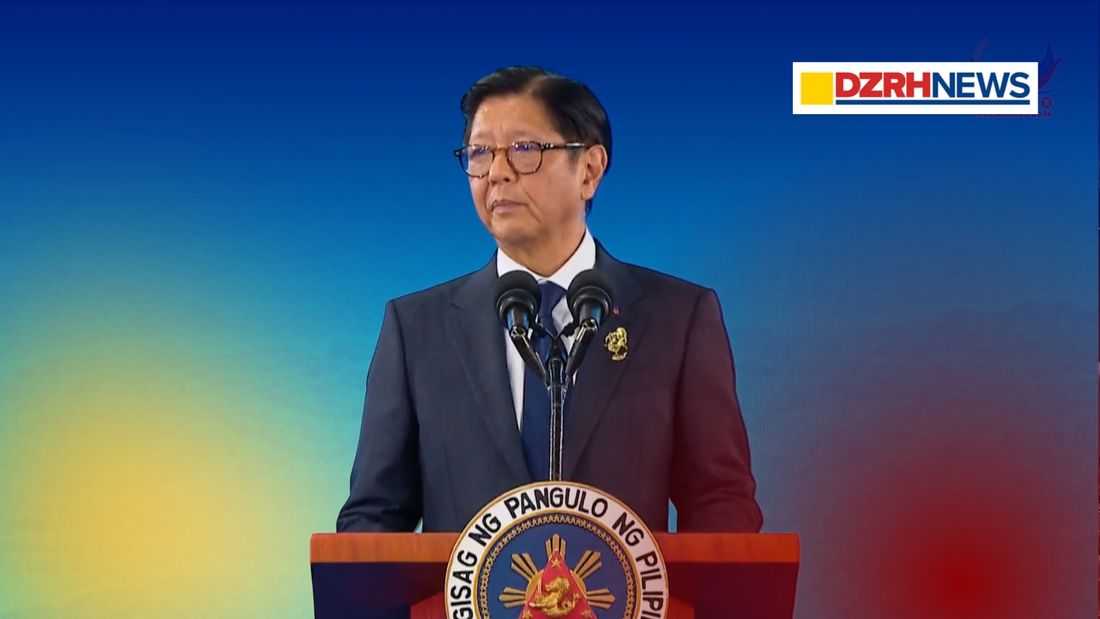
President Ferdinand "Bongbong" Marcos Jr. urged Southeast Asian leaders to accelerate regional cooperation on energy and food security as global conflicts continue to threaten fuel supply chains and drive up prices across the region during the 48th ASEAN Summit in Cebu.
Speaking before international media after the summit, Marcos said ASEAN member states agreed on urgent measures to strengthen regional resilience amid the continuing impact of tensions in the Middle East and global economic instability.
“The global landscape has rarely been more complex or more consequential,” Marcos said. “Rising oil prices driven up by the Middle East conflict have pushed up the cost of basic goods and placed ASEAN nationals in harm’s way around the world.”
The president said ASEAN leaders prioritized three major concerns during the summit: energy security, food security, and the protection of ASEAN nationals abroad.
Among the key initiatives discussed was the accelerated implementation of the ASEAN Power Grid, a regional project aimed at connecting the electricity networks of ASEAN member states to allow cross-border power trading and improve access to affordable electricity for nearly 700 million people.
Marcos also pushed for the expedited ratification of the ASEAN Framework Agreement on Petroleum Security (APSA), which would allow member states to assist one another during fuel shortages.
“We already were in very close coordination with our ASEAN partners, and we were discussing together what we can do to help one another,” Marcos said. “The long-term solution is our continuing move away from fossil fuels and the development of alternative sources of renewable energy.”
He added that ASEAN leaders discussed renewable energy projects involving hydropower, solar, wind, and even nuclear energy, with support expected from the Asian Development Bank.
On food security, Marcos warned that rising fuel costs and disrupted shipping routes were placing pressure on households across Southeast Asia. Leaders agreed to strengthen regional food reserves, support farmers and agri-businesses, and maintain open trade flows during emergencies.
“We must anticipate, prepare, coordinate, and act together,” the President stressed. “ASEAN should not just react to crises.”
The summit also resulted in the adoption of the Cebu Protocol, the first amendment to the ASEAN Charter since 2007, which Marcos described as a major step toward a “stronger and more inclusive regional community.”
