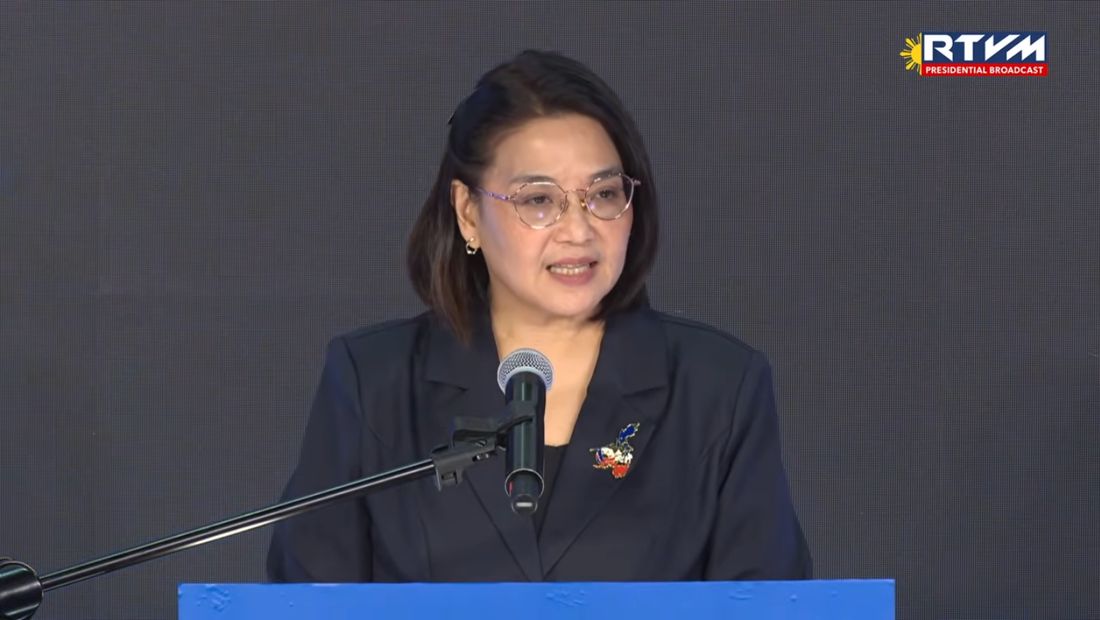
Malacañang has dismissed speculation that the issuance of an extradition warrant of arrest and hold departure orders against Kingdom of Jesus Christ (KOJC) founder Pastor Apollo Quiboloy and two of his associates was timed to coincide with the arrival of United States President Donald Trump in the Philippines.
Palace Press Officer Undersecretary Claire Castro said Friday, November 13, that the court orders were part of the established extradition procedure, stressing that their issuance merely coincided with Trump's arrival.
The Makati Regional Trial Court (RTC) Branch 145 issued the extradition warrant and hold departure orders on November 12 against Quiboloy, Teresita Tolibas Dandan, and Helen Panilag, following an extradition petition filed by the Department of Justice (DOJ) on behalf of the US government.
Asked about the significance of the court's orders and how the proceedings differ from the extradition case involving former President Rodrigo Duterte, Castro explained that extradition is a process between two states.
“Sa extradition kasi, it's state to state,” Castro said, explaining that the United States is the requesting state, while the Philippines is the state being asked to surrender the individuals sought for extradition.
She also emphasized that the process follows the principle of double criminality, which requires that the offense for which extradition is being sought must also be considered a crime under Philippine law.
“When I say, it should mean that if the case filed in the US is considered a crime, it should also be considered a crime in our country,” she explained.
Castro added that extradition cannot proceed if the alleged offense in the requesting country is not recognized as a crime in the Philippines.
On whether Quiboloy's pending cases in the country must first be resolved before he can be extradited, Castro said it would depend on the circumstances and whether the Office of the Chief State Counsel would request a temporary postponement of the proceedings.
“If the Chief State Counsel will request for a temporary delay in the case pending here in the Philippines, it can be granted by the court,” she said.
The extradition proceedings cover US charges involving international human trafficking, sex trafficking, conspiracy, and bulk cash smuggling.
Under the extradition rules, the respondents must be served with summons and copies of the petition and its supporting documents following the implementation of their arrest warrants. They will then have 15 days from receipt to file their verified answers.
Quiboloy remains detained at the Pasig City Jail over separate cases in the Philippines.
The DOJ has clarified that extradition proceedings are separate from a criminal trial and do not determine the guilt or innocence of the individuals sought by the requesting country.