
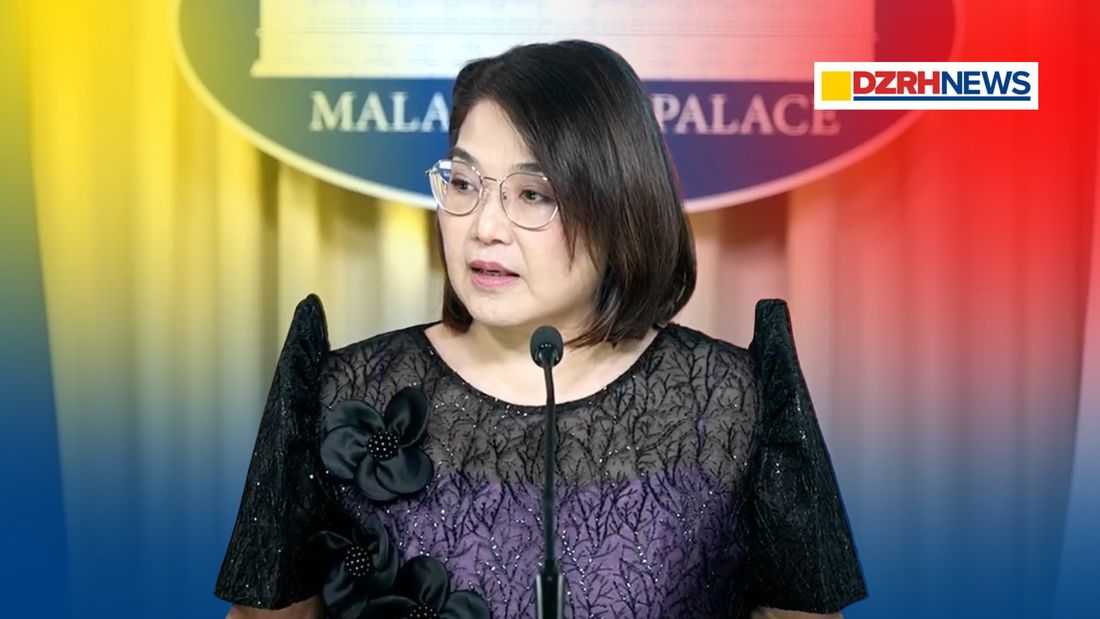
The Malacañang Palace defended its strategy to ease rising fuel costs, stressing that legal safeguards and economic realities shape the implementation of Republic Act 12316.
Press Officer Claire Castro explained that the law’s 15-day effectivity period follows Article 2 of the Civil Code, ensuring transparency and preparedness among stakeholders.
“Ang 15-day grace period… ay para sa right to due process,” she said, noting that only Congress has the authority to amend this provision.
Castro also revealed that the government is studying broader fuel subsidy schemes that could benefit not just transport operators but the general public, similar to subsidy models used in other countries.
Addressing criticism from economists such as former National Economic and Development Authority (NEDA) chief Winnie Monsod, the Palace said proposals like a wealth tax are being considered but remain complex.
Citing economic officials, Castro warned that such measures may be difficult to administer and could lead to capital flight, noting experiences from countries like Germany and France that eventually abandoned similar policies.
Meanwhile, the government is negotiating with manufacturers and retailers to prevent increases in basic commodity prices, acknowledging that global oil costs remain beyond state control.
