
The Philippine Atmospheric, Geophysical and Astronomical Services Administration (PAGASA) has officially raised the El Niño Alert, citing a high probability of the climate phenomenon developing within the next few months and persisting into early 2027.
In a press statement released on Wednesday, April 22, the DOST-PAGASA said El Niño Southern Oscillation (ENSO)-neutral conditions currently prevail over the tropical Pacific. However, climate models and expert assessments indicate a 79% chance of El Niño forming during the June-July-August (JJA) 2026 season.
“With this development, the DOST-PAGASA ENSO Alert and Warning System is now raised to El Niño Alert,” the agency stated.
El Niño, the warm phase of ENSO, is characterized by warmer-than-average sea surface temperatures in the Central and Eastern Equatorial Pacific and cooler-than-average waters over the Philippine Sea. PAGASA explained that an alert is issued when there is at least a 70% probability of El Niño developing within two to three months.
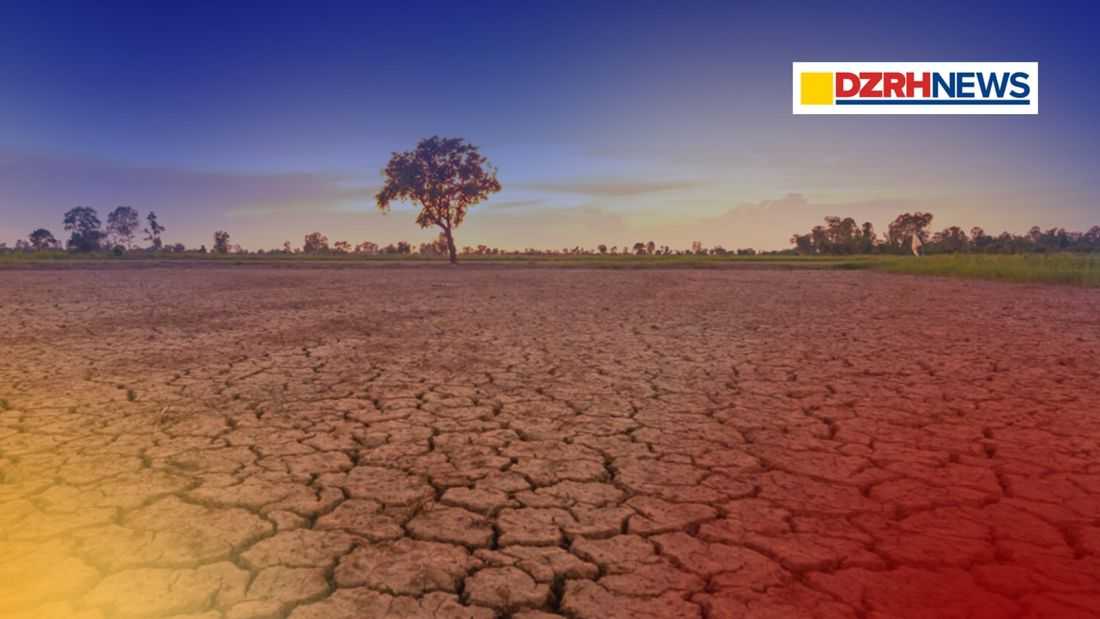
The agency warned that the phenomenon may bring drier-than-usual conditions, increasing the risk of dry spells and droughts in several parts of the country. At the same time, PAGASA noted that above-normal rainfall may still occur in western sections of the Philippines during the Southwest Monsoon (Habagat).
“PAGASA will continue to closely monitor the development of this ENSO phenomenon,” the bureau said, urging government agencies and the public to remain vigilant and take precautionary measures against its potential impacts.
Authorities also encouraged continued monitoring of official updates as preparations begin for possible climate-related disruptions in agriculture, water supply, and disaster risk management.
