
A potential dam failure could trigger the “most similar” scenario in the Philippines to the devastating flash floods in Nepal, according to Office of Civil Defense (OCD) Assistant Secretary Bernardo Alejandro IV.
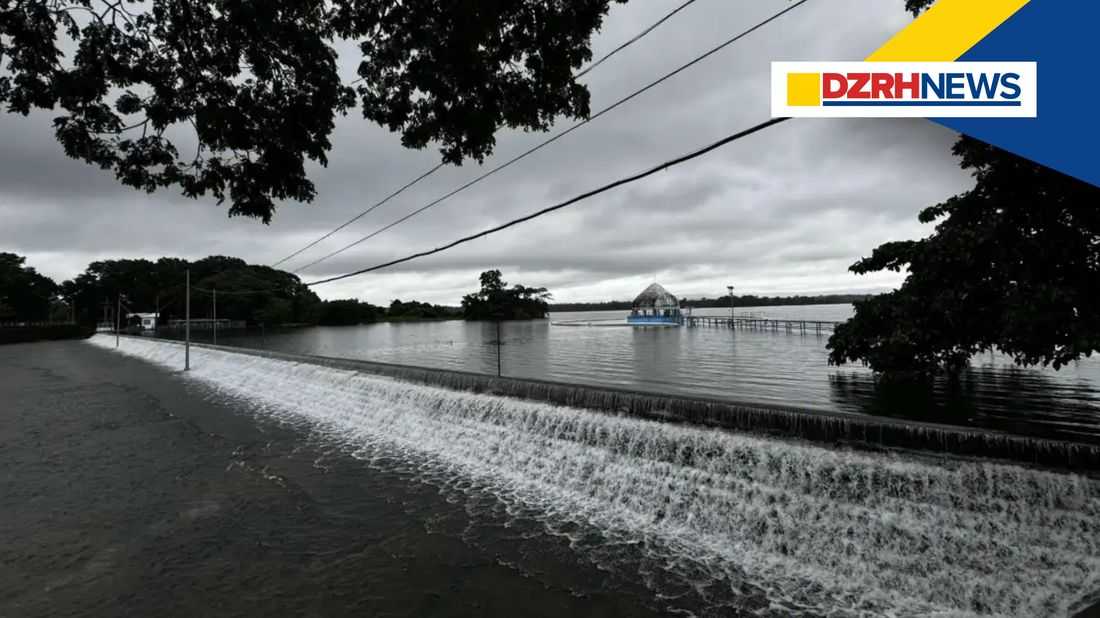
In an exclusive interview with DZRH Stories: Pinoy Documentaries, Alejandro said a serious problem involving a major dam, such as La Mesa Dam, could trigger widespread flooding, particularly if the structure were to overflow or sustain severe damage.
“'Yung ating pinaka-similar na pwedeng mangyari is kung magkaroon po ng problema sa ating dam, kunwari itong La Mesa Dam,” Alejandro said.
He explained that if La Mesa Dam overflows, excess water would flow toward the Tullahan River, potentially affecting five cities in Metro Manila—Quezon City, Caloocan, Valenzuela, Malabon, and Navotas.
Alejandro noted that communities in parts of Quezon City, including Fairview and Forest Hills, as well as areas along Quirino Highway, could be among those affected by such a scenario.
He also acknowledged that a dam failure could theoretically occur following a major earthquake or other event that could damage the structure, although he emphasized that La Mesa Dam remains structurally sound.
“Kung tanungin mo ako na pwedeng mangyari, may posibilidad, pero matibay naman 'yung La Mesa Dam,” he said.
According to Alejandro, water is periodically released from the dam to manage its capacity and prevent overloading.
“Kaya isa yan sa rason na nagre-release ng tubig 'yan kasi 'yung capacity niya,” he explained.
He stressed the importance of maintaining an effective warning system for communities located downstream, given the number of areas that could potentially be affected by a major dam-related incident.
Amid recent heavy rains and flooding in Metro Manila and other areas, Alejandro said water releases from dams, including La Mesa and Wawa, contributed to the volume of water flowing downstream.
However, he emphasized that dam releases were not the primary cause of the flooding.
“Nag-contribute din 'yan sa tubig na bumaba. But hindi lang naman 'yun ang pangunahing dahilan kung bakit nagkaroon ng flooding. 'Yung lakas ng ulan na dala nitong habagat ay isa 'yan,” Alejandro said.
He explained that controlled releases are carried out as a safety measure to prevent dams from becoming overloaded and potentially damaged.
Alejandro also acknowledged concerns over overwhelmed tributaries and the reduced effectiveness of pumping stations during severe flooding.
He said the OCD is coordinating with the Department of Public Works and Highways (DPWH) on measures such as desilting and dredging waterways to increase their capacity and improve water flow.
“Isa 'yan sa tinitingnan natin with DPWH. Kasi isang paraan diyan is mag-desilting. Kumbaga laliman ulit para 'yung capacity ng ating mga rivers ay lumaki,” he said.
The OCD official also highlighted the need to strengthen flood-mitigation structures and properly implement a river basin or catchment basin approach so that water flow can be controlled and directed away from communities.
Alejandro further called on residents to help keep drainage systems clear of garbage and other obstructions to ensure that water can flow freely during heavy rainfall.
The remarks come as authorities continue to assess flooding risks in Metro Manila and other parts of the country amid intensified rainfall, underscoring the need for stronger disaster preparedness and early warning systems in communities located near dams and waterways.
