
The 2026 national budget is “pork barrel free,” said Executive Secretary Ralph Recto on Monday, stressing that legislators are barred from intervening in the execution and disbursement of government funds under new provisions in the General Appropriations Act (GAA).
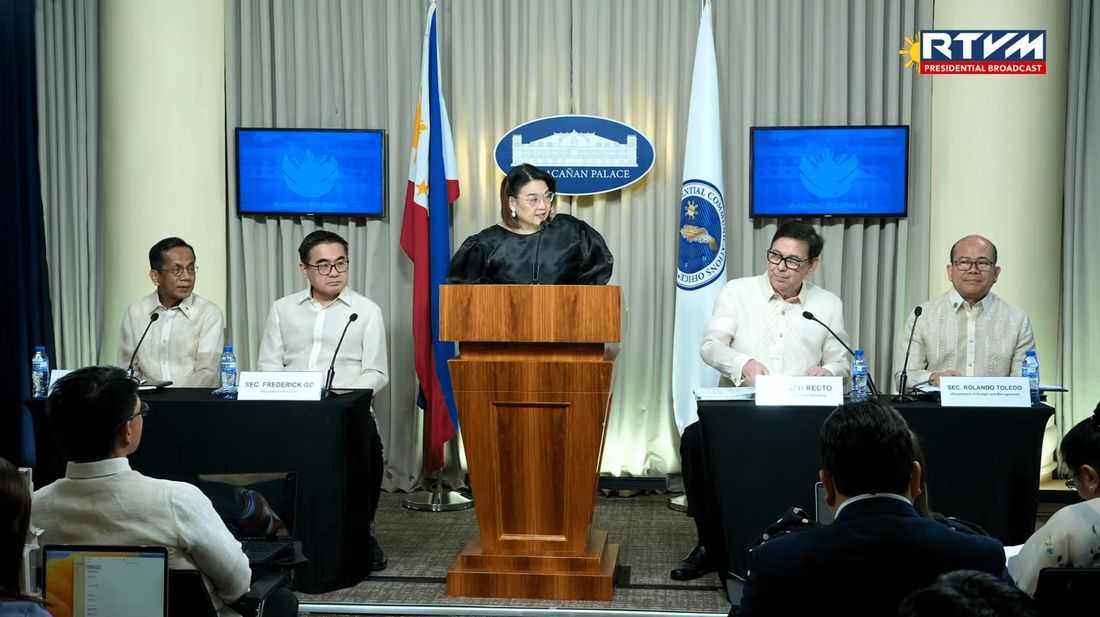
Recto made the statement during a press briefing with the Malacañang Press Corps (MPC) on January 5, 2026, following President Ferdinand “Bongbong” Marcos Jr.’s earlier speech in which he vowed not to allow political intervention in the implementation of government programs, particularly social services.
When asked how the administration plans to prevent patronage politics—especially in assistance programs such as medical aid, which have drawn criticism over the use of guarantee letters from politicians—Recto said the 2026 budget contains a general or special provision that explicitly prohibits politicians from participating in the actual disbursement of funds or distribution of assistance.
“If I’m not mistaken, there is a special provision or a general provision in the budget that bans politicians during the actual disbursement or the actual giving of assistance to our countrymen,” Recto said.
“We will follow those guidelines under the General Appropriations Act of 2026. That provision was not there before. Now it is there, and we will follow it.”
Recto also addressed claims from some lawmakers made before the budget was signed that various forms of pork barrel allocations remain embedded in the 2026 spending plan.
Senator Imee Marcos had earlier described the budget as containing what she termed “soft pork” or “giniling pork.”
Rejecting the criticism, Recto said Malacañang’s review concluded that the 2026 national budget does not contain pork barrel provisions.
“In our view, it is pork barrel free,” he said. “Legislators are not allowed to intervene in the execution of the budget, because budget execution is a purely executive function.”
The Palace said the provisions are intended to strengthen transparency and accountability in public spending, and to ensure that government assistance reaches beneficiaries based on policy guidelines rather than political influence.
