
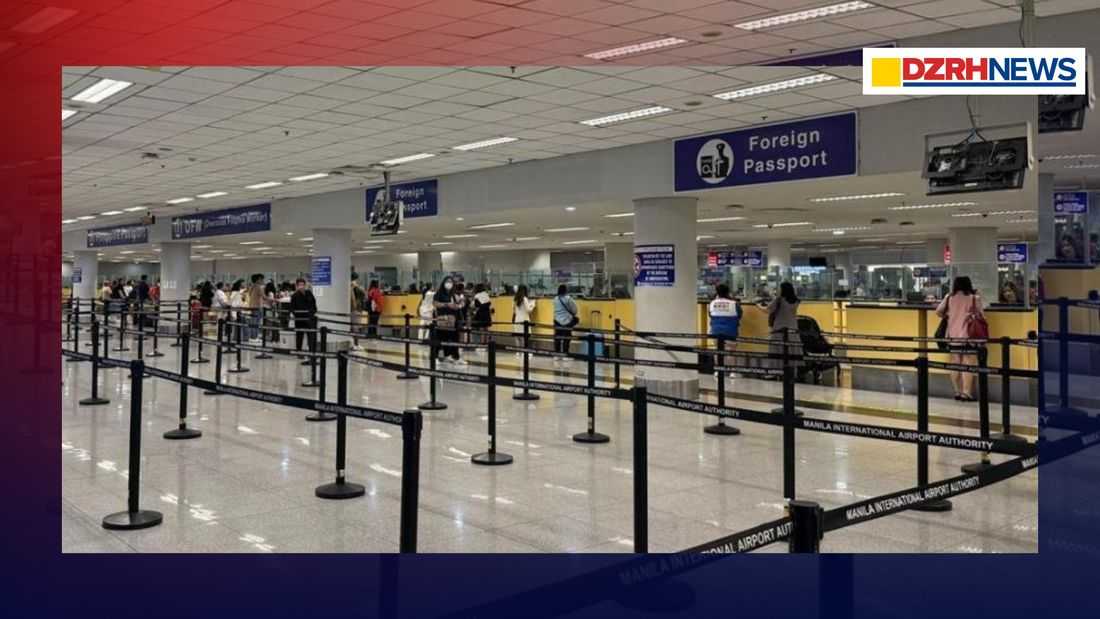
Passenger demand at Ninoy Aquino International Airport (NAIA) remained lower than anticipated during the onset of the Holy Week rush, as flight suspensions and restrictions in the Middle East dampened travel figures, airport officials said Wednesday.
While the New NAIA Infra Corporation (NNIC) reported a steady flow of travelers, the surge was less pronounced than initial forecasts.
The consortium attributed the slower growth to ongoing geopolitical tensions in the Middle East, which have led to several flight cancellations and airspace restrictions affecting international routes.
As of 7:30 a.m. Wednesday, check-in counters at Terminal 3 remained manageable with no significant queues.
Despite the slower start, the NNIC still expects daily passenger volume to exceed 143,000 throughout the Lenten break.
Total passenger traffic for the period of March 28 to April 5 is projected to reach 1.35 million, a slight increase from the 1.32 million recorded during Holy Week in 2025.
To manage the influx, airport authorities have deployed additional personnel to immigration and security screening areas.
The NNIC stated that it is coordinating closely with airlines and ground handlers to minimize passenger inconvenience. The consortium has also extended the operating hours of its assistance desks and implemented real-time monitoring to manage terminal congestion.
Travelers are advised to check flight advisories, allow for extra travel time, and complete their "e-travel" registration before arriving at the airport to avoid delays. The travel period coincides with a significant policy shift from the Civil Aviation Authority of the Philippines (CAAP).
Effective April 1, 2026, CAAP has reduced Passenger Service Charges (PSC) and airline fees at all its operated airports by up to 50%, depending on the airport classification. The move aims to mitigate the impact of high fuel costs on the aviation industry and the public.
No disruptions to domestic flights have been reported as of Wednesday morning.
