
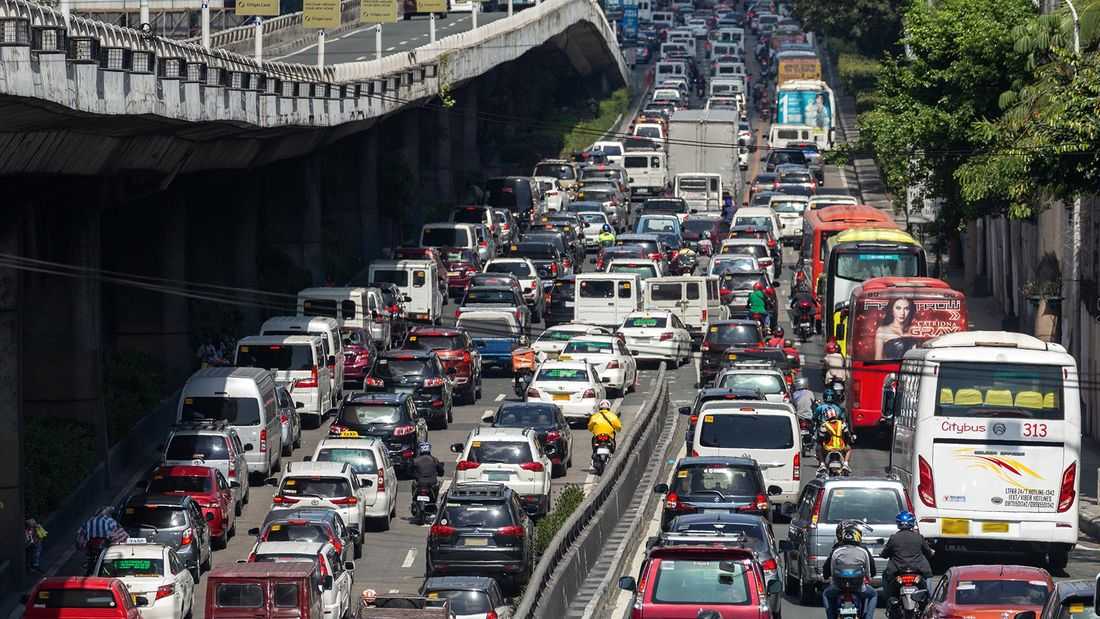
Metro Manila’s daily vehicle volume has surged to 3.6 million, up from 3.2 million just two years ago, putting additional strain on major thoroughfares such as EDSA, according to MMDA Chairman Atty. Romando “Don” Artes in an interview on Dos Por Dos.
Artes said the rise in private vehicles — around 400,000 more on the road — is outpacing the capacity of existing infrastructure, which has yet to be fully complemented by projects like MRT-7, the Metro Manila Subway, and the North–South Commuter Railway.
Bus Carousel provides relief, but gaps remain
Despite congestion, the EDSA Bus Carousel continues to move commuters efficiently, Artes noted.
“Malaki ang naitulong ng bus carousel… kung hindi na natin maipagalaw 'yong mga sasakyan, pagalawin natin 'yong tao,” he said, emphasizing that each bus carries more than 50 passengers and operates without traffic obstruction.
While some commuters have shifted from private vehicles to public transport, Artes admitted the system is still insufficient. Queues and occasional crowding — also seen in the MRT — show a shortage of operational buses. The Department of Transportation (DOTr) continues to dispatch additional buses, but Artes warned that too many units could create new choke points at stations.
Traffic still vulnerable to accidents
Artes acknowledged that EDSA traffic can improve at certain times, but such gains are quickly undone by accidents. On Friday, December 5 alone, the MMDA recorded 43 vehicular accidents between 5 p.m. and 9 p.m., during peak hours.
“Malaki po ang epekto niyan sa traffic,” he said, adding that lane-switching and impatience among motorists remain major contributors.
Artes also highlighted the broader challenge: rising vehicle ownership and population growth are pushing road networks beyond capacity.
“Dumadami ang tao, dumadami ang sasakyan. Yun naman ang ating imprastraktura ay hindi pa natatapos tulad ng MRT-7,” he said, pointing to ongoing rail projects expected to provide relief once operational.
Despite these challenges, Artes urged motorists to stay in their lanes and avoid frequent switching, which often leads to collisions and worsens congestion.
