
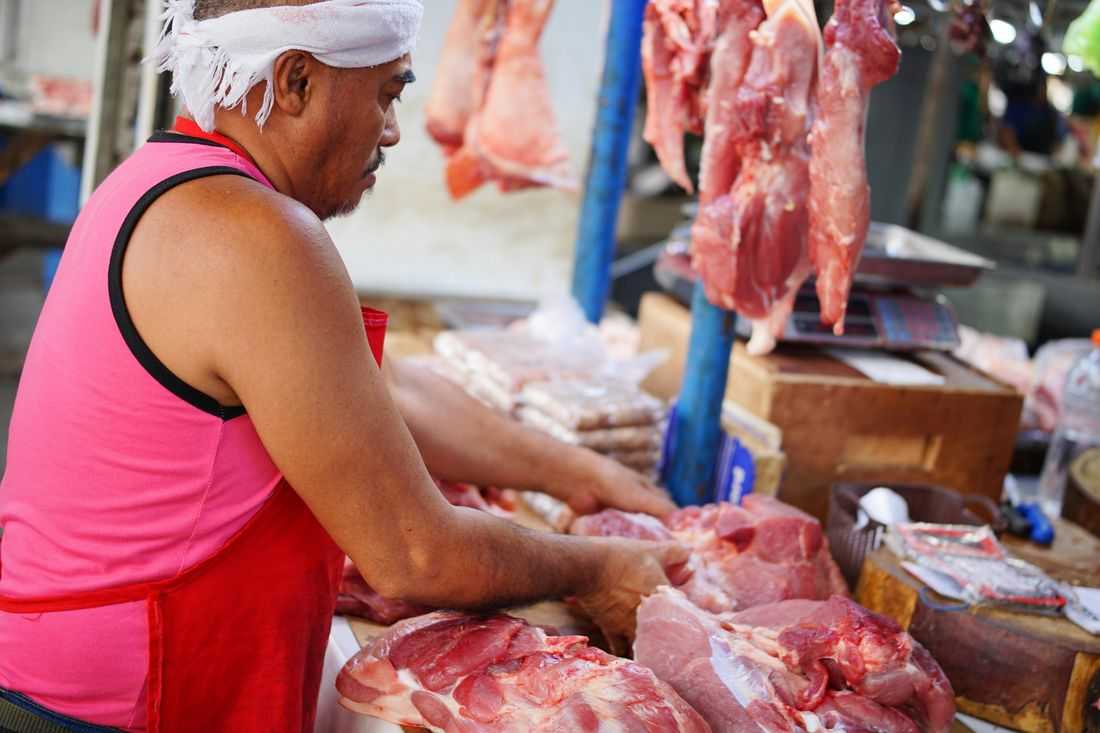
President Ferdinand R. Marcos Jr. has signed Executive Order (EO) No. 116 increasing the minimum access volume (MAV) for pork imports by 150,000 metric tons annually for two years, in a move aimed at addressing supply shortages, stabilizing prices, and easing inflationary pressures on basic goods.
Under the order signed on May 19, the MAV for pork meat for MAV Year 2026 will be raised from 54,210 metric tons to 204,210 metric tons.
The administration said the adjustment responds to “prevailing supply constraints and price pressures” and seeks to ensure the continued availability and affordability of pork and processed meat products.
The decision comes amid the continued spread of African swine fever, which has significantly reduced the country’s swine population and tightened domestic supply.
The Executive Order also cited the need to mitigate inflationary pressures and ensure adequate food supply for consumers, particularly in light of ongoing market challenges. It aligns with broader government efforts to stabilize prices of essential commodities.
Under EO 116, the MAV Management Committee (MMC) is directed to ensure that the allocation of import volumes is fair and open to all qualified importers. Of the total volume, 30,000 metric tons will be allocated to processors, while 120,000 metric tons will be directed to the Food Terminal Inc. and the Kadiwa ng Pangulo program, the government’s initiative to provide more affordable food to consumers.
The MMC has also been tasked to formulate and issue implementing guidelines within 30 days from the effectivity of the order.
“The guidelines shall ensure that the allocations intended for the Food Terminal Inc. and the KADIWAng Pangulo Program are efficiently utilized and implemented in a manner consistent with the objectives of the MAV Plus mechanism, particularly in augmenting domestic supply, stabilizing market prices, and promoting consumer welfare,” it read.
The increase in pork MAV is part of the government’s broader response to supply chain disruptions and persistent inflationary pressures affecting food items nationwide.
