
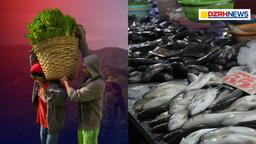
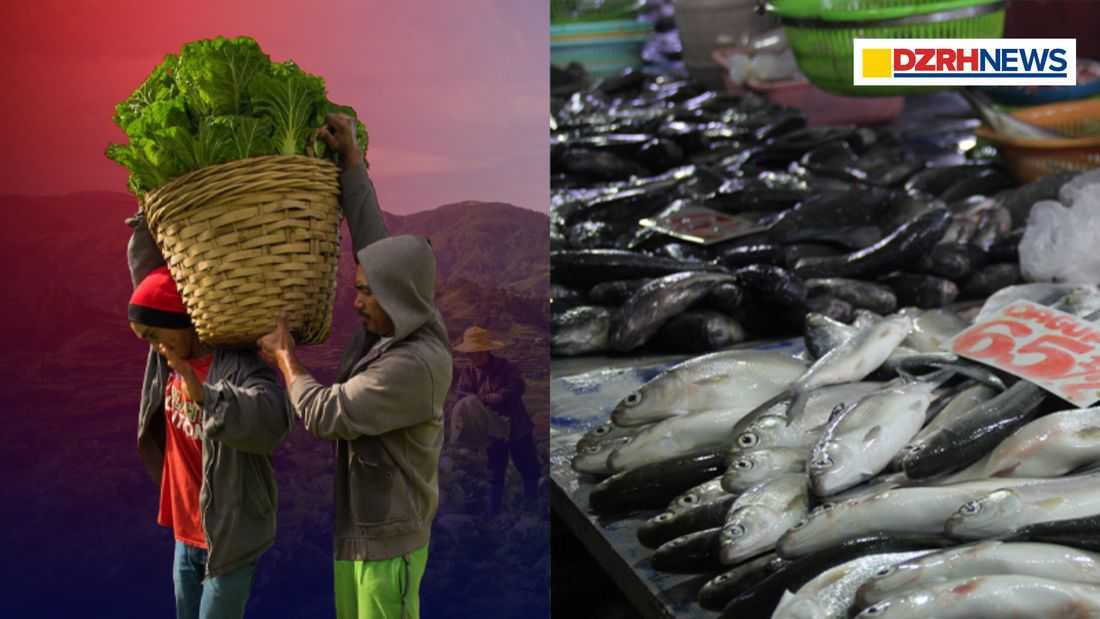
The Philippines’ food supply remains generally stable despite rising global challenges, including the ongoing geopolitical conflict in the Middle East, according to Usec. Asis Perez of the Department of Agriculture (DA).
Speaking on DZRH’s Special on Saturday (SOS), Perez highlighted how government measures and favorable local conditions are helping keep key food staples available.
Perez noted that government subsidies for fuel, fertilizers, and other farm inputs are being actively rolled out to support farmers amid increasing global prices.
“Sa ngayon, maganda naman yung kalagayan. Ang tinitingnan natin, pero aminin natin medyo eh, kasi ang Pilipinas sa maraming bagay, mula sa bigas, of course yung ating mais, yung ating manok, yung part ng ating baboy, yung import pa natin,” Perez said.
“Pero matatag yung supply. Dahil nga tumama naman itong crisis na ito sa panahon ng anihan,” he added, further noting that the country’s rice supply will last for two to three months.
On livestock, he explained that pork inventory currently covers 20 days, while chicken supply is stable at around 120 days, helping maintain steady prices. Pork prices have risen about 30 pesos per kilo, reaching around 400 pesos, while chicken prices remain largely stable.
The DA official also discussed aquaculture, particularly tilapia production. Thanks to favorable weather conditions, farm-gate prices in Taal are around 80 pesos per kilo, and production could increase by 100 tons per day. This abundance has slightly lowered consumer prices.
Metro Manila relies heavily on aquaculture from Pangasinan, Palawan, Batangas, and Laguna Lake, with about 70% of fish production going to the capital.
Perez noted that while rising fuel costs due to the Middle East conflict could affect transportation and logistics, high local production has largely offset potential price increases.
“Kagandahan nito, ang timing niya, hindi masyadong masama sa Pilipinas. Kung tumama ito halimbawa ng Hunyo, Hulyo, talagang mahihirapan tayo dahil wala tayong supply ng isda. Pagkatapos, mahal pa yung fuel, mahihirapan tayo pagdating sa protein source.”
“Pero kailangan paghandaan natin yung next season. Kasi yung tama kasi ng itong pagtaas lang lahat ng ito ay sa next season ito,” Perez said, emphasizing the need to prepare for the next season to sustain food security.
He concluded that while supply remains resilient for key staples like rice, poultry, and fish, ongoing monitoring is essential given global uncertainties, particularly in energy markets and agricultural inputs affected by the Middle East crisis.
