As the “ber” months begin, many Filipinos start preparing for Christmas by shopping for decorations. By the time December arrives, homes are illuminated with colorful parols, filling neighborhoods with warmth and a festive cheer.
With every glow of light accompanied by Christmas carols, the true spirit of the season is deeply felt.
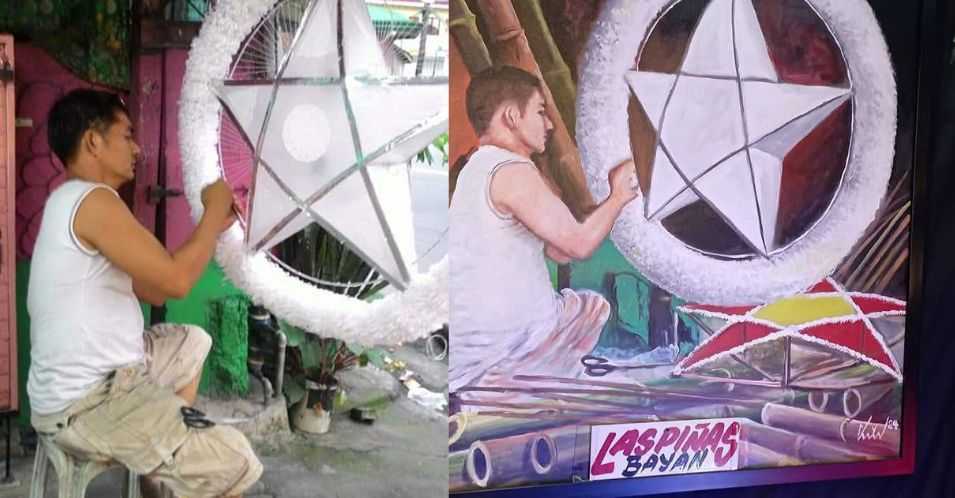
In Las Piñas, proudly known as the “Parol Capital of Metro Manila,” are the artisans of the Samahang Magpaparol ng Las Piñas, a group dedicated to preserving and celebrating the art of parol-making.
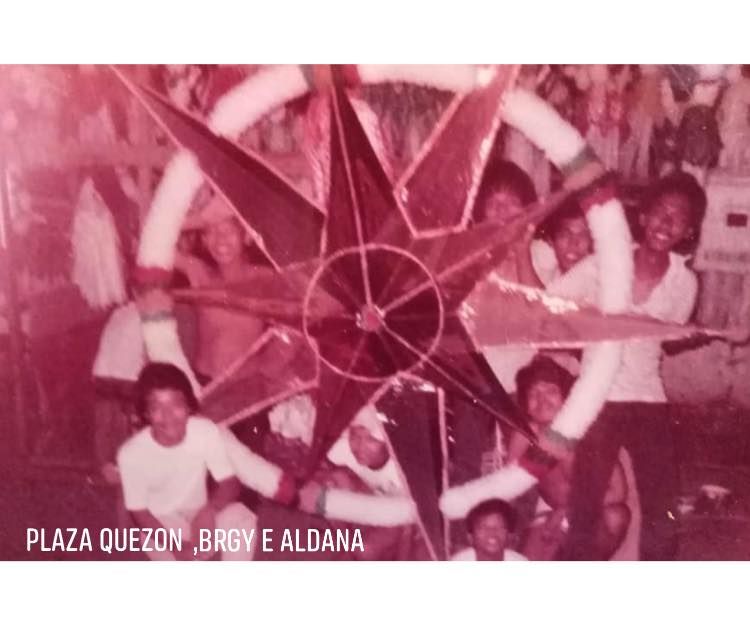
Elias Aldana, Plaza Quezon, before the year 2000. | Photo Courtesy: Las Piñas Local Historian
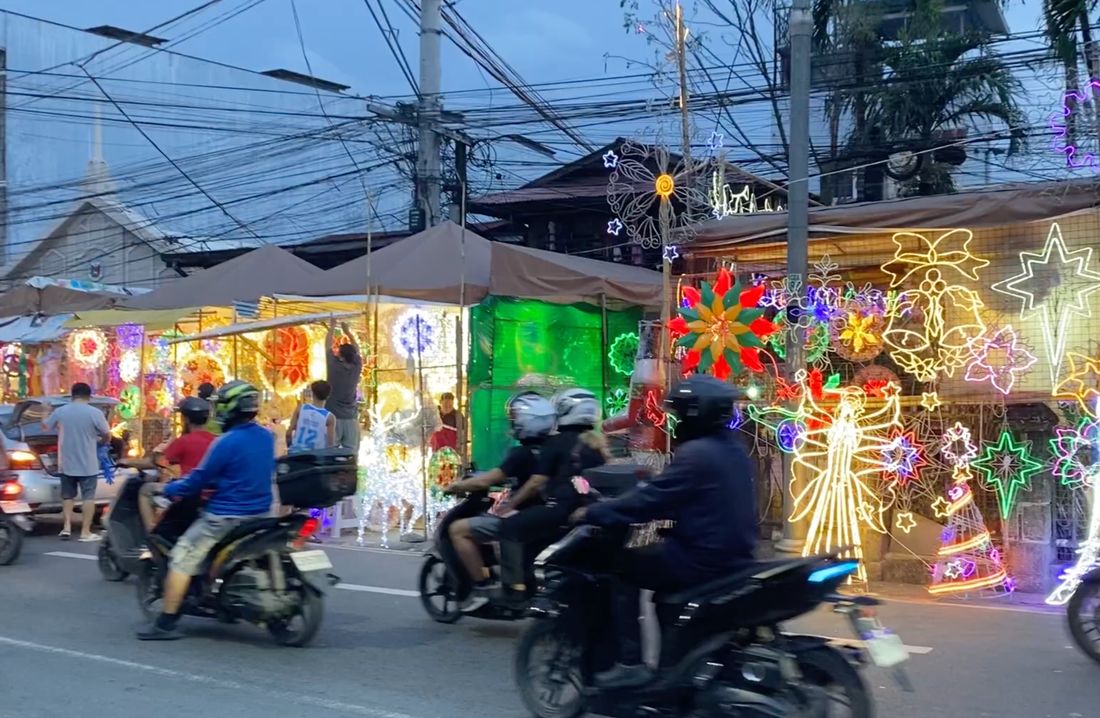
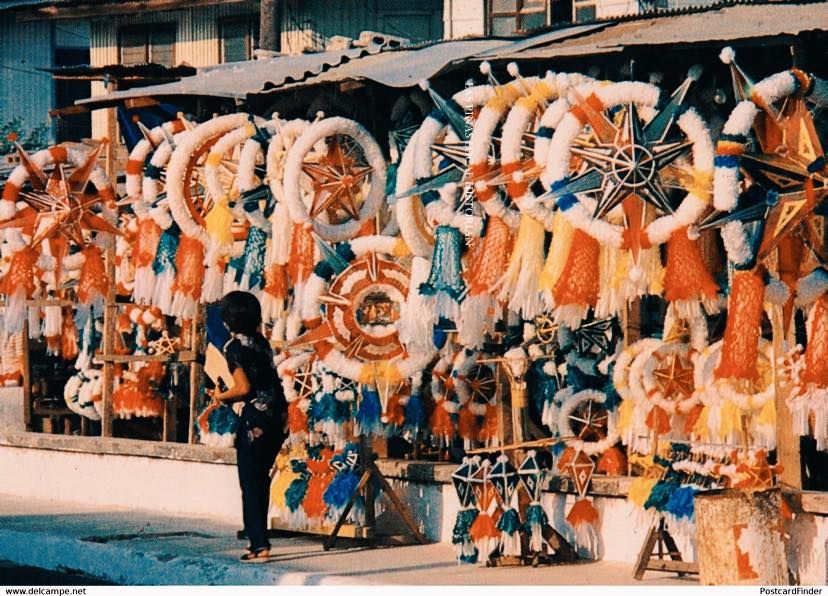
Elias Aldana, Plaza Quezon, after the year 2000. | File Photo
The Parol is a traditional Filipino decoration that appears during the Christmas season. It symbolizes light as a guide for humanity, inspired by the star that led the Three Kings to the birthplace of Jesus Christ.
Andrew Flores of Plaza Quezon, Las Piñas, the Vice President of the Samahang Magpaparol, is a third-generation parol artisan who has been crafting parols for 32 years. His journey in festive crafts began with making belen (nativity scenes) before he eventually focused on parol-making.
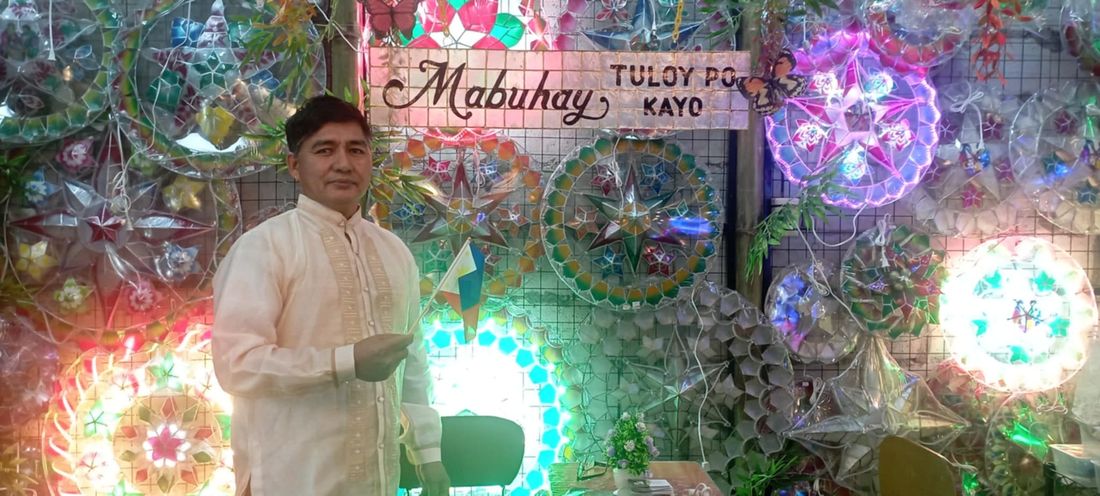
Over the years, his craft evolved along with the changes in materials and techniques. What started with bamboo parols later transitioned to plastic, to capiz designs, and eventually to more durable parols made of metal.
“Dati taga balot lang ako ng parol. Hanggang sa natuto na ko, at ako na mismo ang gumagawa at nagkaroon na rin ako ng pwesto dito sa Plaza Quezon. Meron na rin ako sa mall,” Andrew said.
The artisan fondly reminisces about the time when he was just wrapping parols. Back then, materials were much cheaper, unlike today, when the prices of bamboo, plastic, and glue have all risen significantly. As a result, the selling price of their parols had also somewhat increased.
Despite this, the Samahang Magpaparol continues the tradition with dedication and pride, passing on their skills to the next generation of artisans as they remain committed to preserving the artistry and cultural significance of the parol.
“Sa paggawa ng parol e masarap. Isa pa nakakatulong sa amin sa pangangailangan sa aming pamilya, sa mga anak namin. Doon kami kumukuha ng mga pang-kain, ng mga miscellaneous sa mga bata, kaya malaking bagay din ‘yon na paggawa namin ng parol,” he says, reflecting on how his crafts has not only helped his family but also showcased the culture of the city, “At nakikilala rin ang kultura sa Las Piñas.”
TYPES OF PAROL
In Plaza Quezon, a wide variety of parols can be found, from traditional designs made of bamboo and paper to vibrant, modern creations illuminated with LED lights.
The diverse styles, colors, and patterns reflect the Filipinos’ innate creativity and their joyful outlook on life. Each parol tells a story of culture, faith, and celebration.
Parol made of Plactic and Bamboo
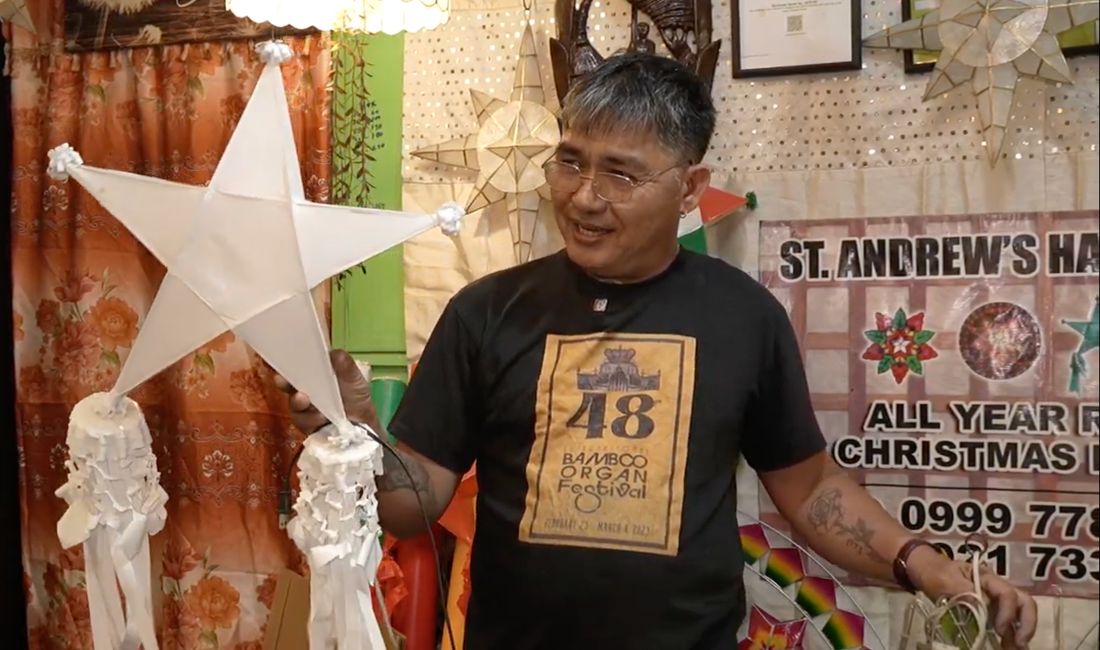
The frame is crafted from bamboo and is usually covered with colorful plastic, giving it a simple yet festive appearance.
The type is commonly hung in barangays and subdivisions. It is one of the most familiar and traditional forms of parol, often seen decorating streets and neighborhoods during the Christmas season.
Parol made of Capiz
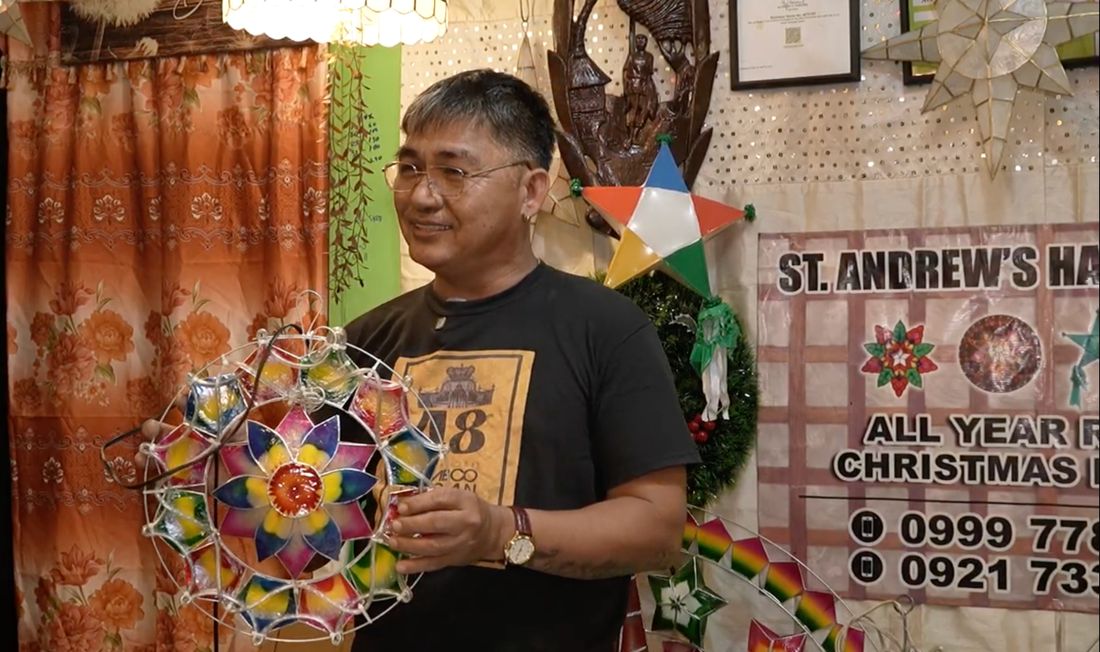
Capiz is a type of translucent shell commonly used in making parols because of its unique shimmer and beauty, especially when illuminated by light. It is also durable, making it an ideal material for parol-making.
The type is famous, particularly among foreigners and Filipino balikbayan. Its distinct glow and elegant appearance instantly reflect Filipino taste and craftsmanship, often signaling that a Filipino family lives in the home where it is displayed.
Parol made of Steel
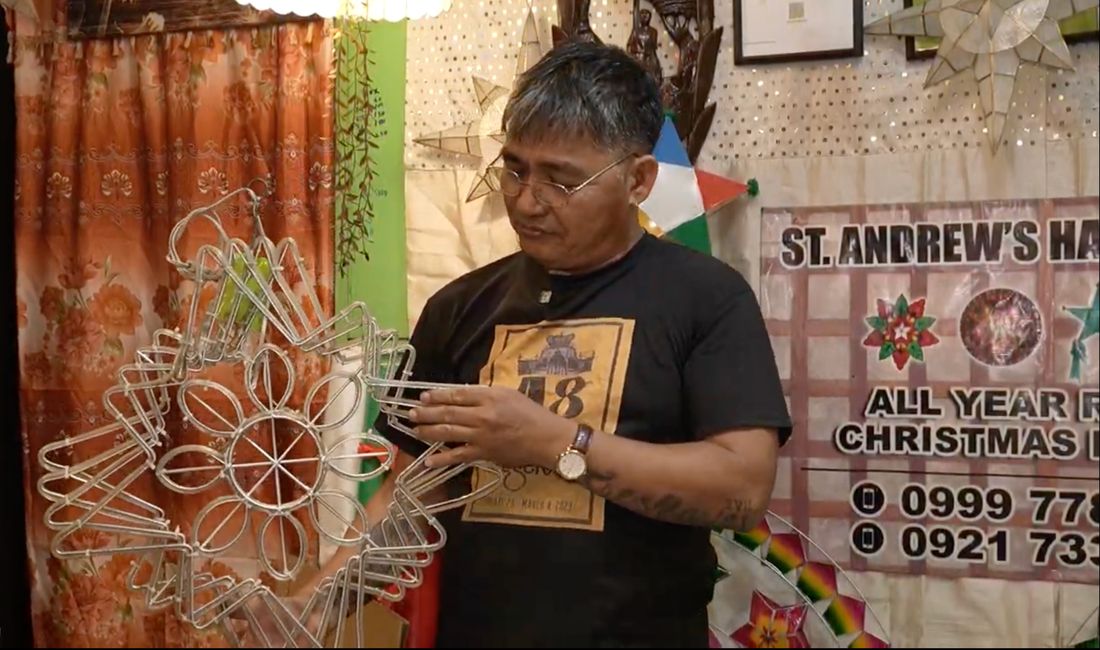
A more modern type of parol is made of steel or metal. These parols are often equipped with LED lights or other lighting effects. Because of their durability, they are commonly used as decorations along streets or on large buildings.
Parol made of Papel de Japon
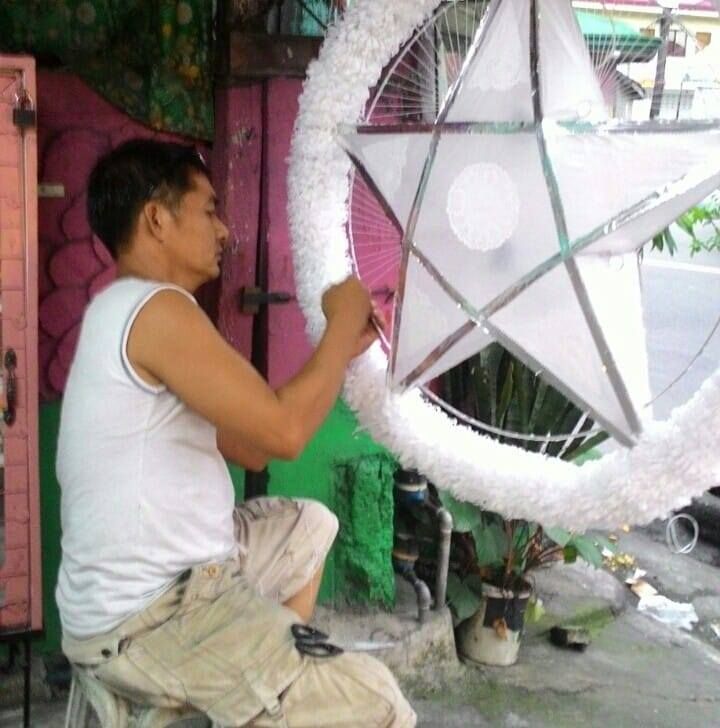
This type of parol is one of the oldest designs, using bamboo sticks as its frame. It is lightweight and translucent, allowing light to glow softly through the paper. Unlike bamboo parols made with plastic coverings, this traditional version is crafted using delicate Japanese paper, giving it a more classic and authentic appearance.
When attaching it, artisans usually use gawgaw or cornstarch rather than synthetic glue. This traditional adhesive is necessary because Japanese paper is very delicate; using stronger glue can damage it. The process requires a light and careful touch; otherwise, the paper can easily tear.
Creating a parol is no simple task. The process reveals the artisans’ meticulous craftsmanship and deep dedication, evident in every detail. From carefully measuring and cutting materials to thoughtfully placing each color and light, every step is done with precision and passion.
Through decades of dedication, Andrew continues to uphold and pass on the rich tradition of parol-making in Las Piñas.