The proposed Code of Conduct in the South China Sea is 80% agreed upon, but the remaining 20% covers its most important provisions, including whether countries will be legally required to follow it, an international studies expert said Tuesday.
Renato De Castro, a professor of international studies at De La Salle University, said China remains opposed to making the agreement legally binding, which has become the biggest obstacle to completing the negotiations.
Speaking on DZRH's Dos Por Dos, De Castro said the Philippines and several ASEAN member states want the code to function like a contract, requiring countries to follow agreed rules.
China, however, prefers a nonbinding declaration that would express commitments without creating enforceable obligations, he said.
"Yung 20% na yun ayun pa yung pinaka-substantive," De Castro said, describing the disagreement as the main reason the agreement remains unfinished.
He said the Philippines wants the code to prevent further Chinese expansion in the disputed waters, where Beijing's sweeping maritime claims overlap with those of several Southeast Asian countries.
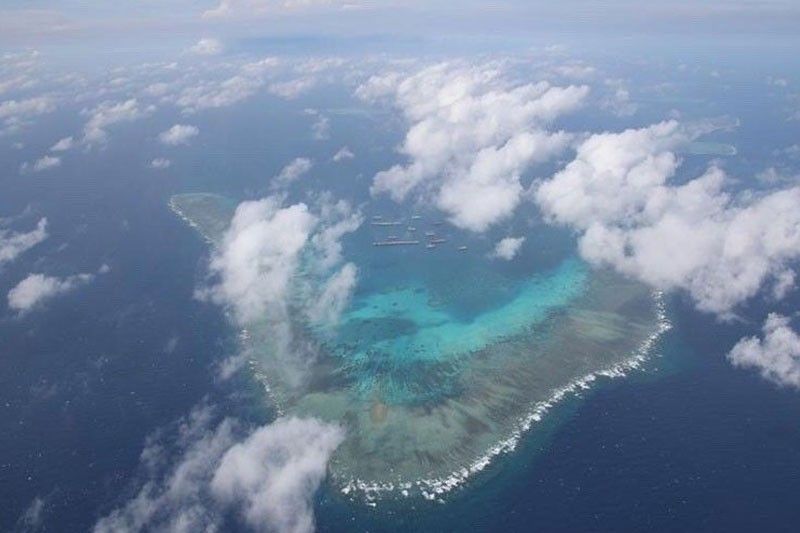
De Castro also cited China's actions near Pag-asa Island, Scarborough Shoal and Ayungin Shoal as examples of the continuing maritime tensions.
“Ang China, kaya gusto tayo paalisin sa PAGASA, pinaalis tayo sa scarborough shoal, gustong alisin yung BRP Sierra Madre sa Ayungin shoal, gusto niya sakupin.”
He said China considers the South China Sea one of its core national interests, along with Taiwan and Tibet, making it difficult for Beijing to compromise on its claims.
While the code could help manage tensions and prevent confrontations, De Castro stressed that it would only be effective if countries are required to honor their commitments.
“Gusto natin ng ASEAN members status quo, walang mananakop, walang nagkakaroon ng may-ari sa South China Sea. So ayun yung ano natin yung code of conduct kumbaga ma-moderate natin pero of course hindi talaga natin mapipigilan no.”
The Philippines has highlighted the 80% progress as an achievement of its ASEAN chairmanship this year, but De Castro said the unresolved provisions will ultimately determine whether the agreement can provide meaningful safeguards for countries in the region.
Watch the full exclusive interview below: