
By Leika Kihara
TOKYO, May 15 (Reuters) - Japan's wholesale inflation accelerated in April at the fastest pace in three years as the Iran war boosted oil and chemical goods prices, data showed on Friday, bolstering the case for the central bank to raise interest rates as soon as June.
The data came after a Bank of Japan (BOJ) policymaker called for raising rates "at the earliest stage possible" as soaring fuel costs from the Middle East war stoked price pressures.
A lagging central bank and looming fiscal stimulus risk a policy clash that keeps inflation pressure, and market anxiety, running hotter for longer. The jitters sparked a bond selloff that pushed the benchmark 10-year bond yield to a 29-year high of 2.665% on Friday.
"Today's inflation print was stronger than expected, so markets have pretty much priced in a rate hike in June," said Naomi Muguruma, chief bond strategist at Mitsubishi UFJ Morgan Stanley Securities.
"But a June rate hike won't stop the bond selloff. Markets suspect the BOJ is behind the curve in dealing with inflation, and have doubts over its ability to fight inflation with the government seemingly opposed to further rate hikes."
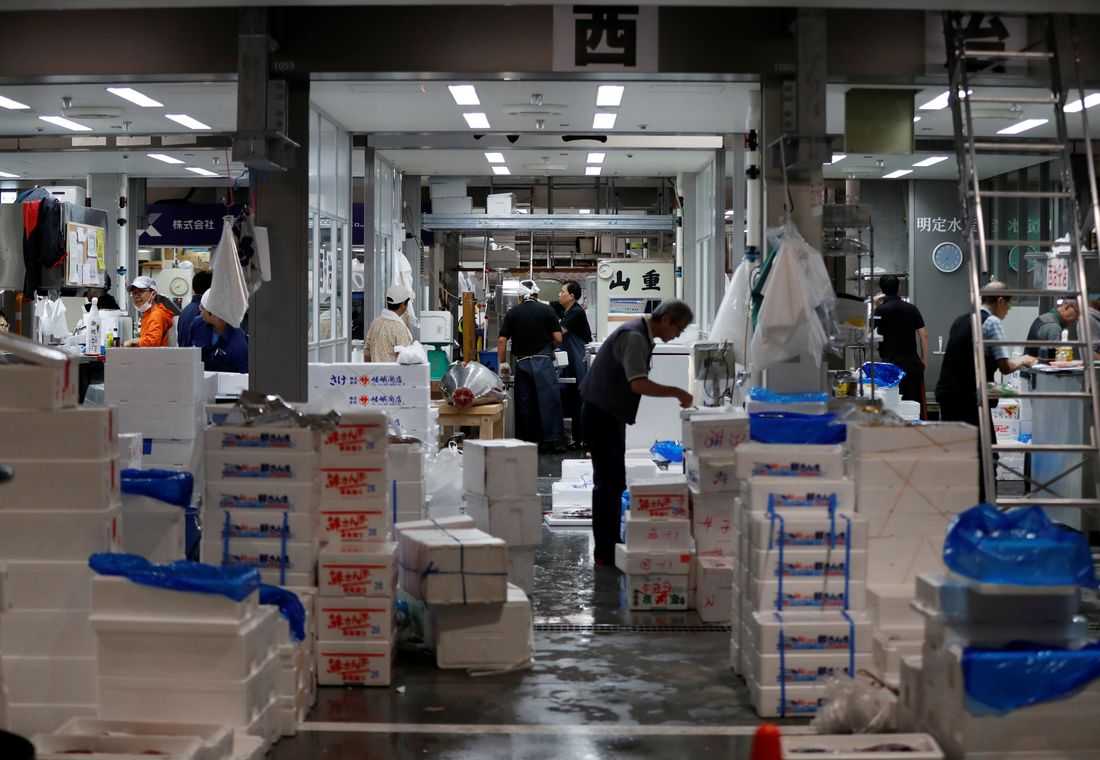
The corporate goods price index (CGPI), which measures the price companies charge each other for their goods and services, rose 4.9% in April from a year earlier, BOJ data showed, hitting the fastest annual increase since May 2023.
The gauge blew past median market forecasts for a 3.0% gain, and accelerated sharply from a 2.9% increase in March.
The yen-based import price index spiked 17.5% in April from a year earlier, the fastest rise since December 2022, a sign the currency's decline was adding to the energy shock in squeezing corporate margins through higher costs.
On a month-on-month basis, wholesale prices rose 2.3% in April after a 1.0% gain in March.
The data showed the strain caused by the effective closure of the Strait of Hormuz, which is cutting off oil supplies for an economy heavily reliant on imports from the Middle East.
Petroleum and coal goods prices rose 5.3% in April from a year earlier, reflecting higher costs for crude oil and jet fuel, the data showed.
Chemical goods prices surged 9.2% last month, the fastest pace since September 2022, with the price of naphtha spiking 79.4%. Prices of aluminum, copper and other nonferrous metal goods also jumped 37.9%.
"Wholesale inflation is likely to continue accelerating as a trend," said Masato Koike, senior economist at Sompo Institute Plus. "If price rises are contained to oil-related goods, there is little need for the BOJ to respond. But if they broaden to a wide range of goods, the BOJ will likely have to raise rates."
DEEPER MARKET CONCERN
The data on wholesale inflation, a leading indicator of consumer price trends, will be one of the factors the BOJ will scrutinise at its next policy meeting on June 15-16.
Japan may face another round of broad-based price increases around summer due to rising costs from the Middle East conflict, the BOJ said in a report based on a survey of regional firms.
A slew of recent hawkish signals from the BOJ has led markets to price in roughly a 70% chance of a rate hike in June. Nearly two-thirds of economists polled by Reuters also expect the BOJ to raise rates in June.
Even former BOJ Governor Haruhiko Kuroda, who deployed a massive stimulus programme in 2013, warned that a protracted Iran war could force the central bank to accelerate the pace of rate hikes.
Now was not the time for the government to expand fiscal spending, he said in a seminar on Wednesday.
Still, the administration of dovish premier Sanae Takaichi is considering compiling an extra budget to cushion the blow to households from higher fuel costs, sources have told Reuters.
The mixed dose of expansionary fiscal policy and slow BOJ rate hikes may propel further selling in the yen and Japanese government bonds, said Muguruma at Mitsubishi UFJ Morgan Stanley Securities.
"It's no longer enough for the BOJ to issue vocal warnings about inflationary risks," she said. "There's deep concern in markets on whether the administration really understands the dangers of leaving inflation unattended."
(Reporting by Leika Kihara; Editing by Jacqueline Wong and Shri Navaratnam)
