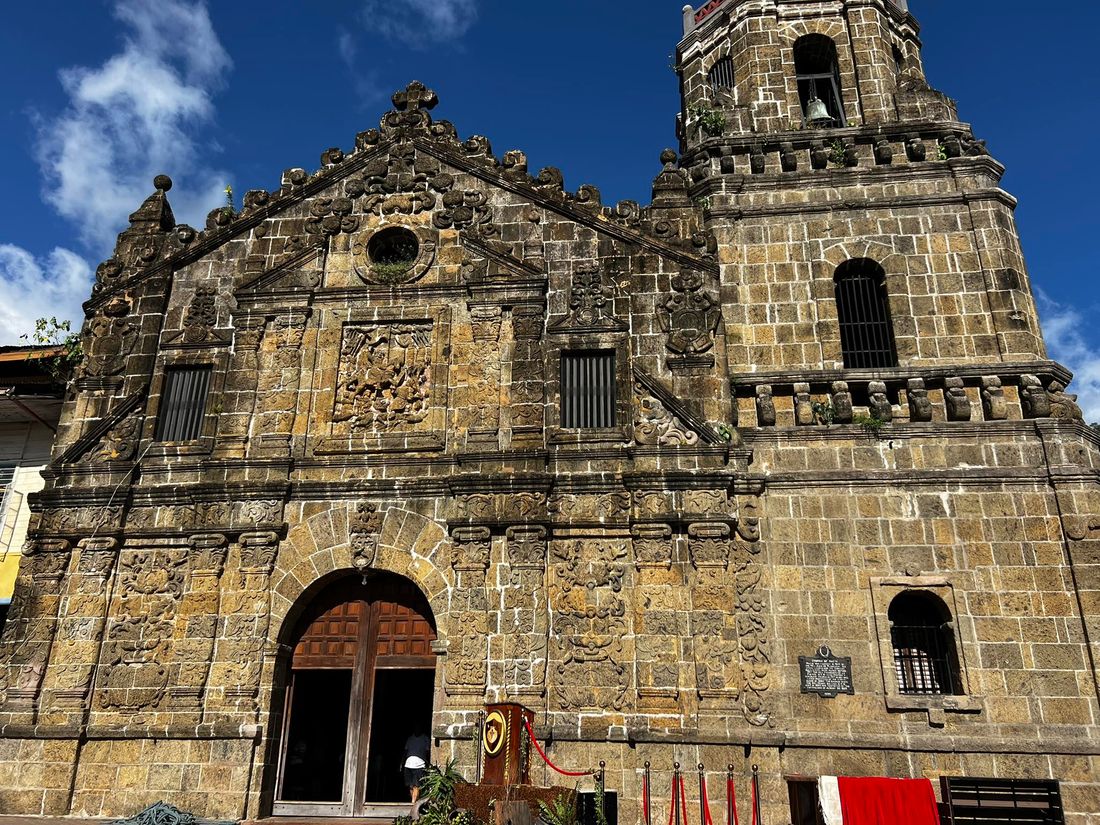
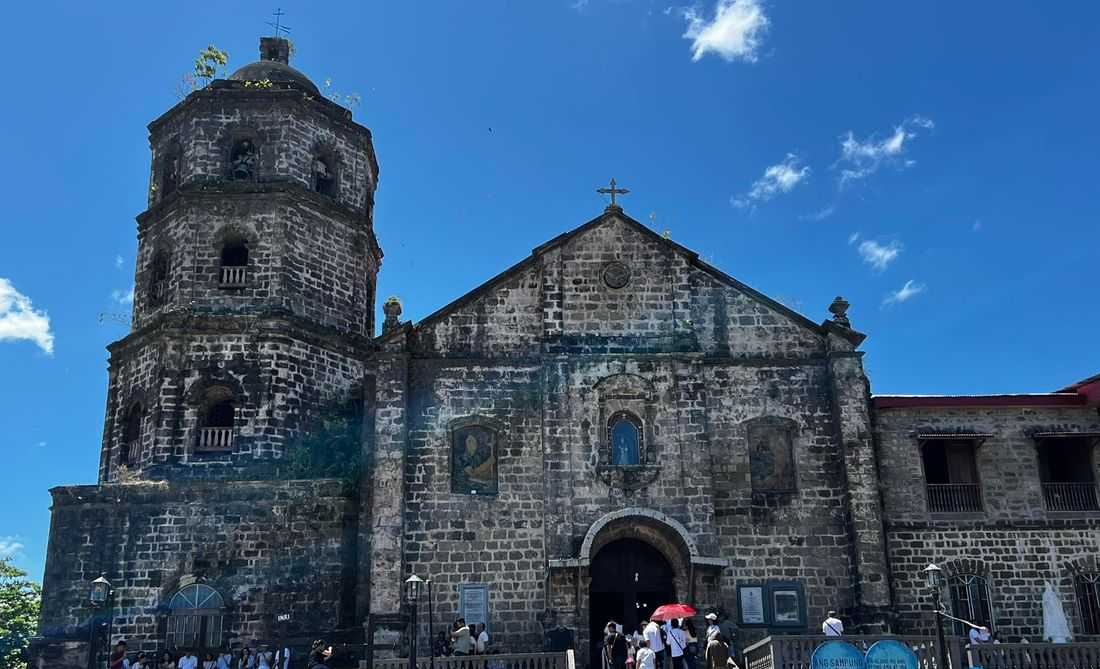
Time-honored churches that have endured wars, natural disasters, and the passage of time continue to stand as enduring symbols of faith in Laguna.
Rich in history and devotion, these sacred sites become even more meaningful during Lent, especially for those observing Visita Iglesia, a cherished Filipino tradition of visiting seven or more churches for prayer and reflection. Laguna, with its deep Catholic roots and well-preserved heritage churches, offers a spiritually enriching journey this Holy Week.
Saint Augustine Parish Church – Bay, Laguna
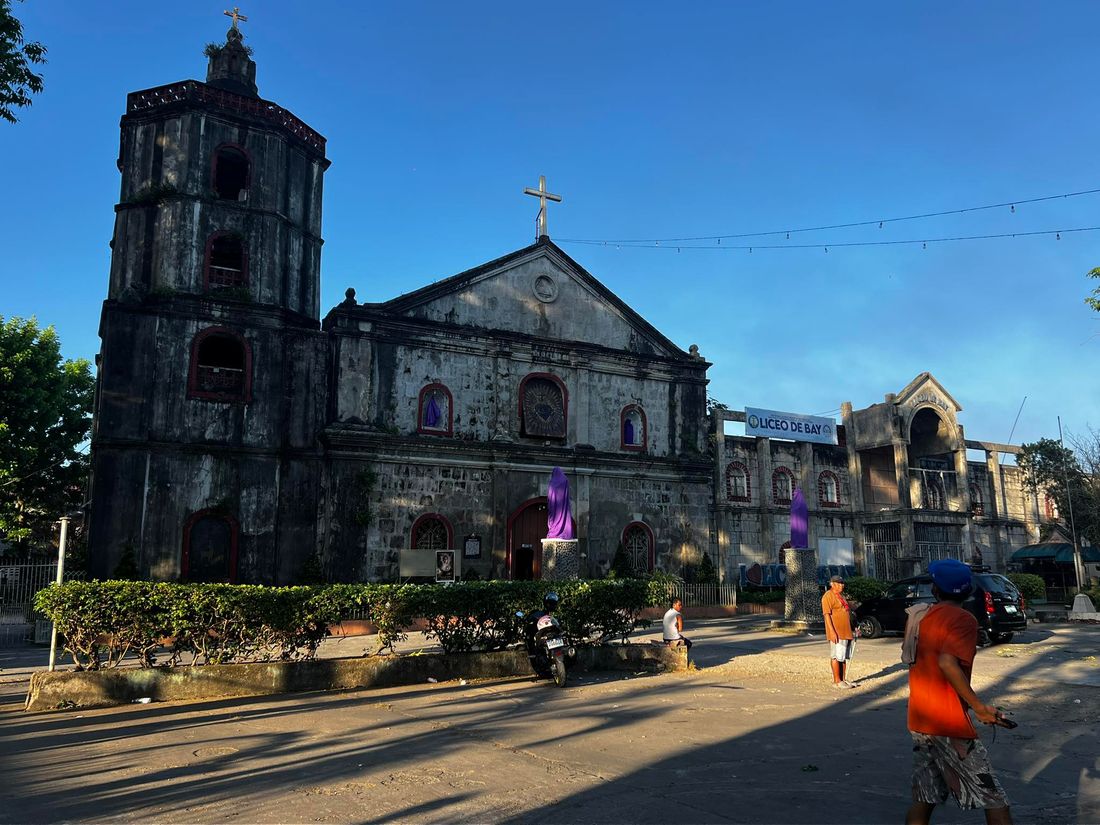
The San Agustin Church in Bay holds the distinction of being the only Augustinian church in Laguna. It was established in 1571 by Fr. Martin de Rada, an Augustinian priest, in Aplaya under the patronage of Saint Augustine. The parish was formally recognized on April 30, 1578.
Like many historical structures, it suffered destruction during the Japanese occupation from 1944 to 1945. It was later rebuilt in 1953 under the leadership of Fr. Alejandro Vermorel, preserving its legacy as a symbol of resilience and faith.
San Isidro Labrador Parish – Calauan, Laguna
Built in 1860, the San Isidro Labrador Parish was made possible through the generosity of Don Andres Roxas and Doña Eleuteria Punzalan-Roxas. Dedicated to the patron saint of farmers, the church reflects the agricultural heritage of Calauan and remains a place of devotion for local communities.
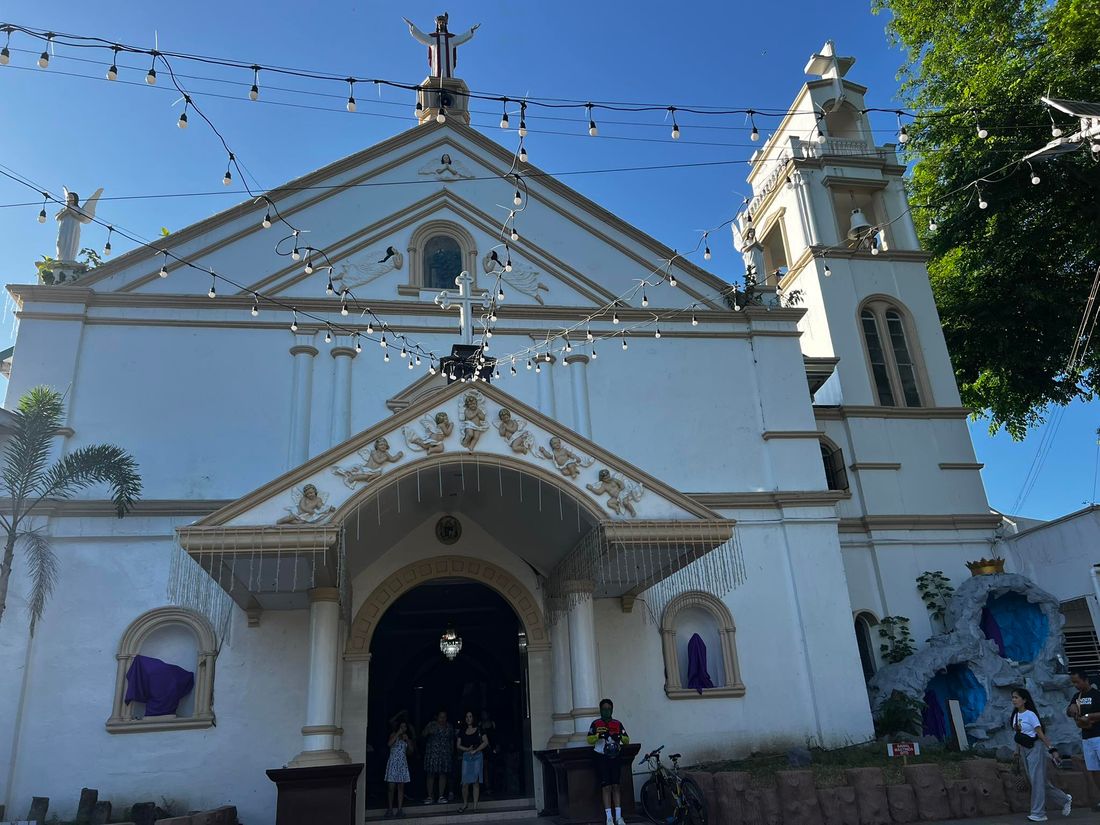
San Bartolome Apostol Parish – Nagcarlan, Laguna
Established in 1583 by Franciscan priest Fr. Tomas de Miranda, the San Bartolome Apostol Parish is one of the oldest churches in Laguna. Fr. Miranda, the first parish priest, was also known for successfully cultivating wheat in the mountainous areas of Nagcarlan—an unusual achievement in the Philippines. The church stands today as a testament to early missionary work and innovation.
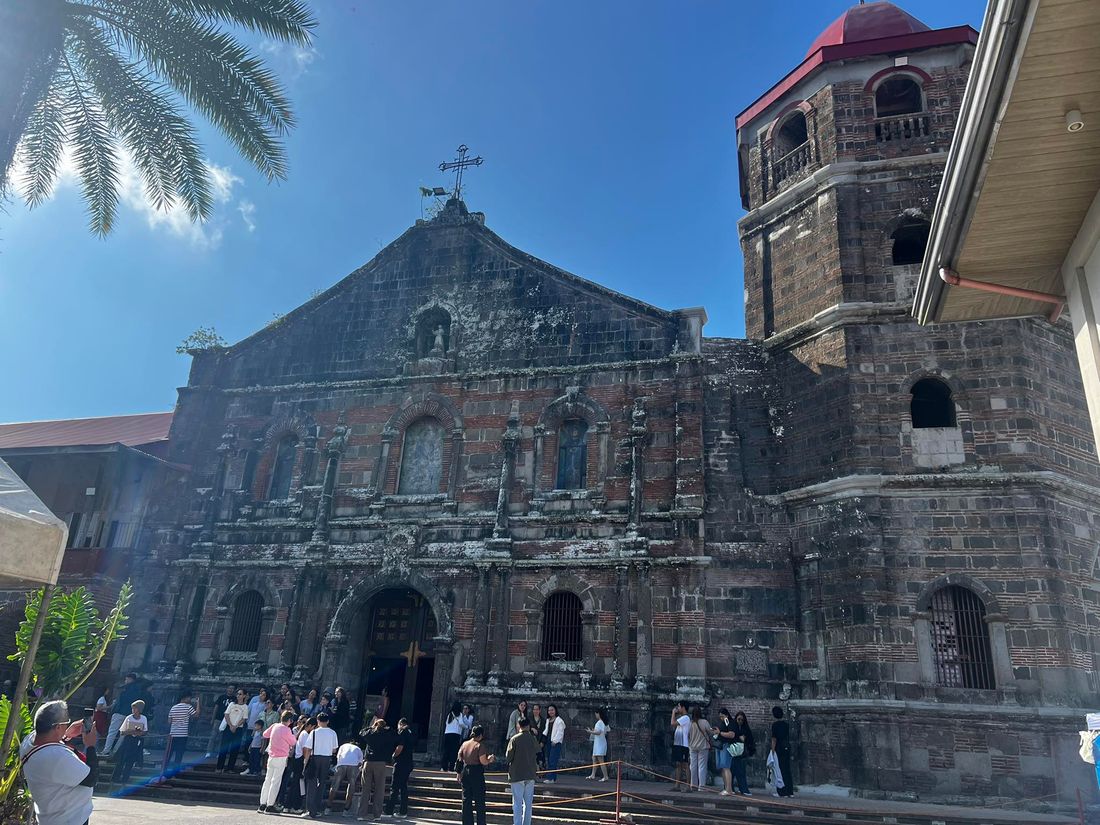
St. John the Baptist Parish – Liliw, Laguna
Commonly known as the Liliw Church, this parish was founded in 1605 by Fr. Miguel de San Lucas. The first wooden church was built in 1620 and replaced with a stone structure in 1643. However, it was destroyed by the Luzon earthquake of 1880 and later rebuilt using red clay bricks. After being burned in 1898, it rose once again—symbolizing the enduring faith of its people.
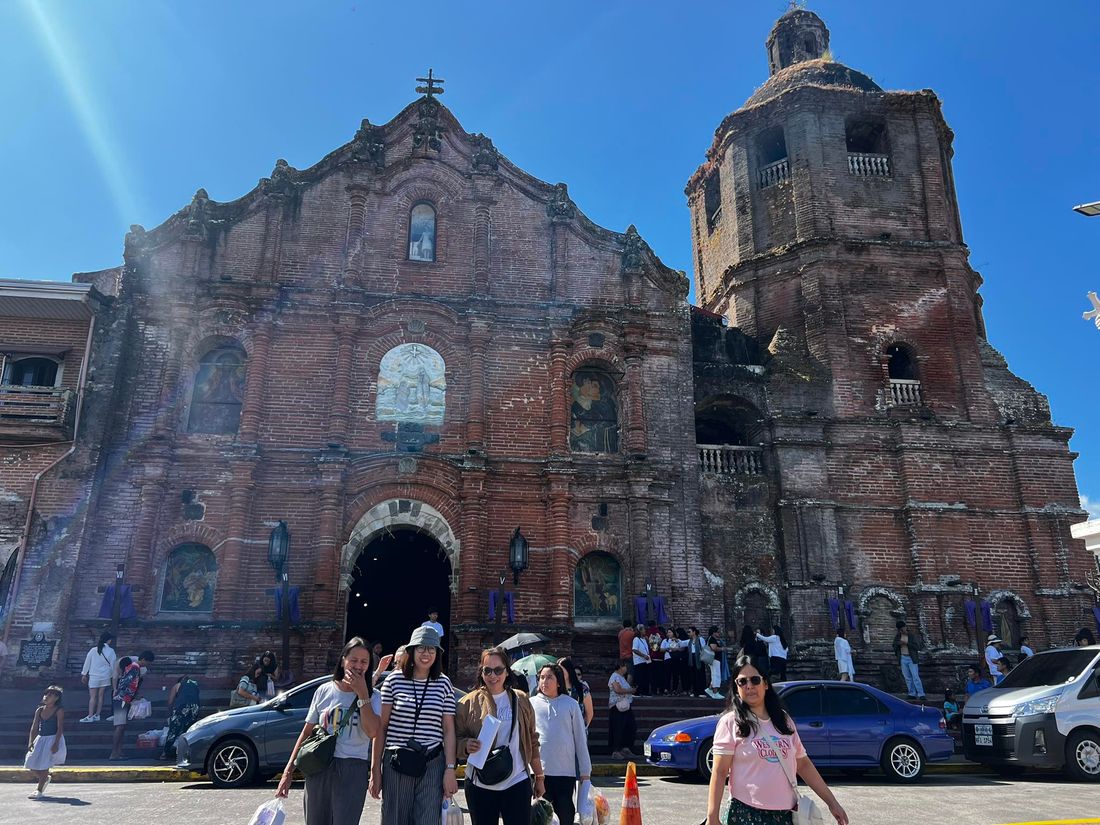
Diocesan Shrine of Our Lady of Guadalupe – Pagsanjan, Laguna
Established on November 12, 1687, by Franciscan priest Fr. Agustin de la Magdalena, this shrine is recognized as the oldest church in the Philippines dedicated to Our Lady of Guadalupe. Originally constructed with nipa and bamboo in 1690, it was later rebuilt using adobe stones.
The church was destroyed during World War II in 1945 due to bombings, but was reconstructed after the war, continuing its role as a spiritual haven for devotees.
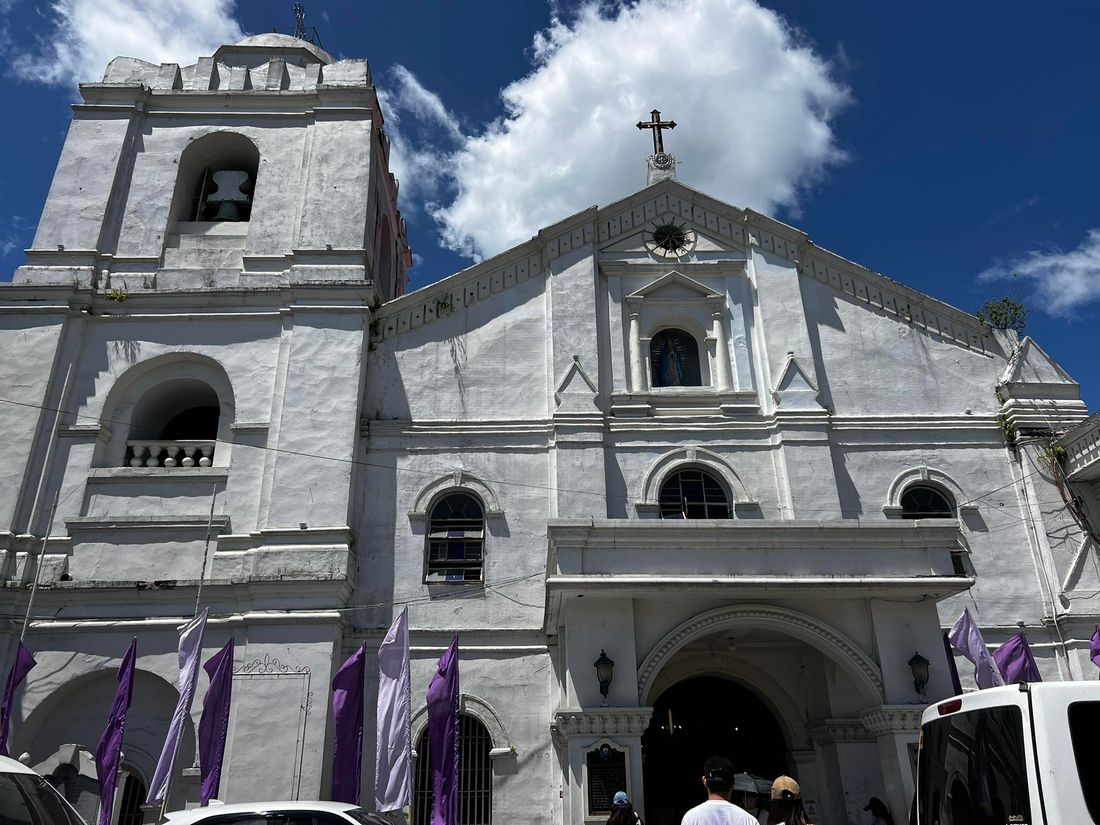
St. Gregory the Great Parish – Majayjay, Laguna
The Majayjay Church is considered one of the oldest and largest churches in Philippine history. First built in 1575 near the May-it River, it faced multiple destructions due to fire.
In 1616, a stone church made of red bricks was constructed with the help of Don Buenaventura de Mendoza. After another fire in 1660, a massive rehabilitation began in 1730 involving around 14,000 Filipino laborers under the polo y servicio system. Instead of demolishing the structure, its walls were doubled, making it one of the largest churches in the country. The restoration reportedly cost $26,000 at the time—equivalent to around ₱1.6 million today.
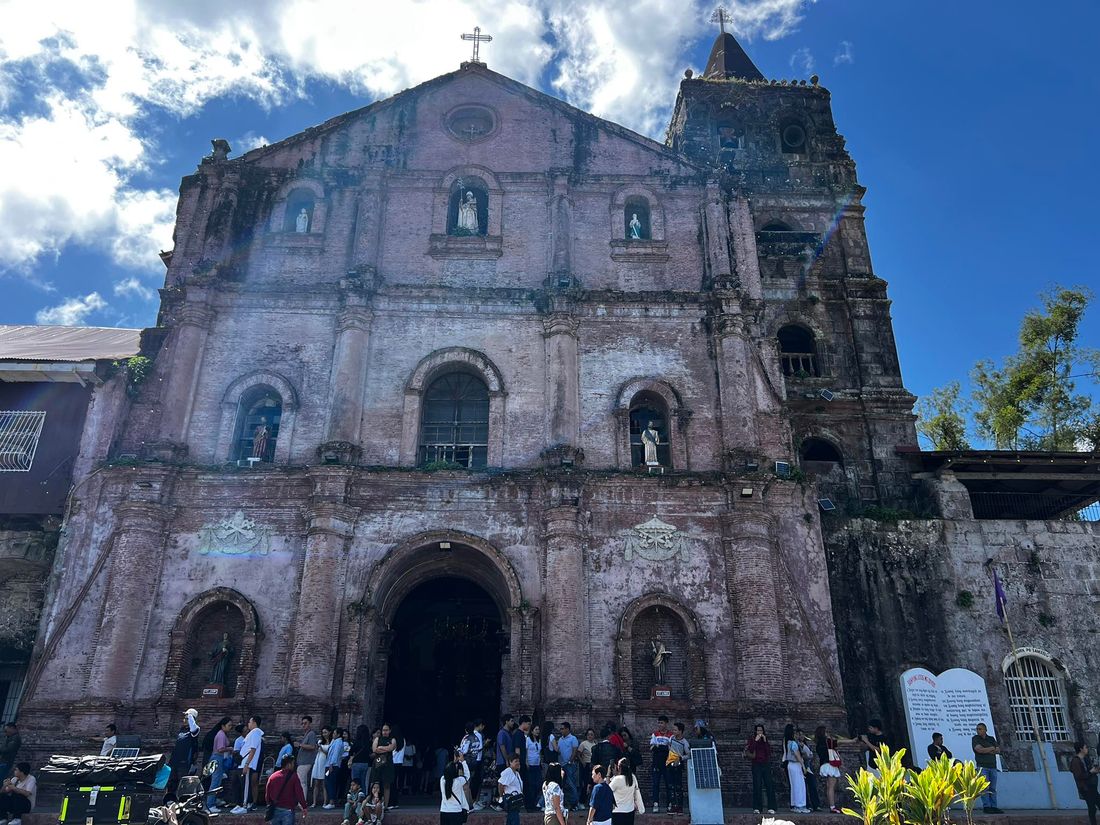
St. Mary Magdalene Church – Magdalena, Laguna
Built in 1820, this church is closely tied to both religious and revolutionary history. Under the leadership of Padre Antonio Moreno and with the support of Kapitan Pablo dela Concepcion, the present stone church was completed in 1855 through forced labor and taxation.
The convent of the church later served as a temporary headquarters for Emilio Jacinto in 1898 after he was wounded in battle in Magdalena.
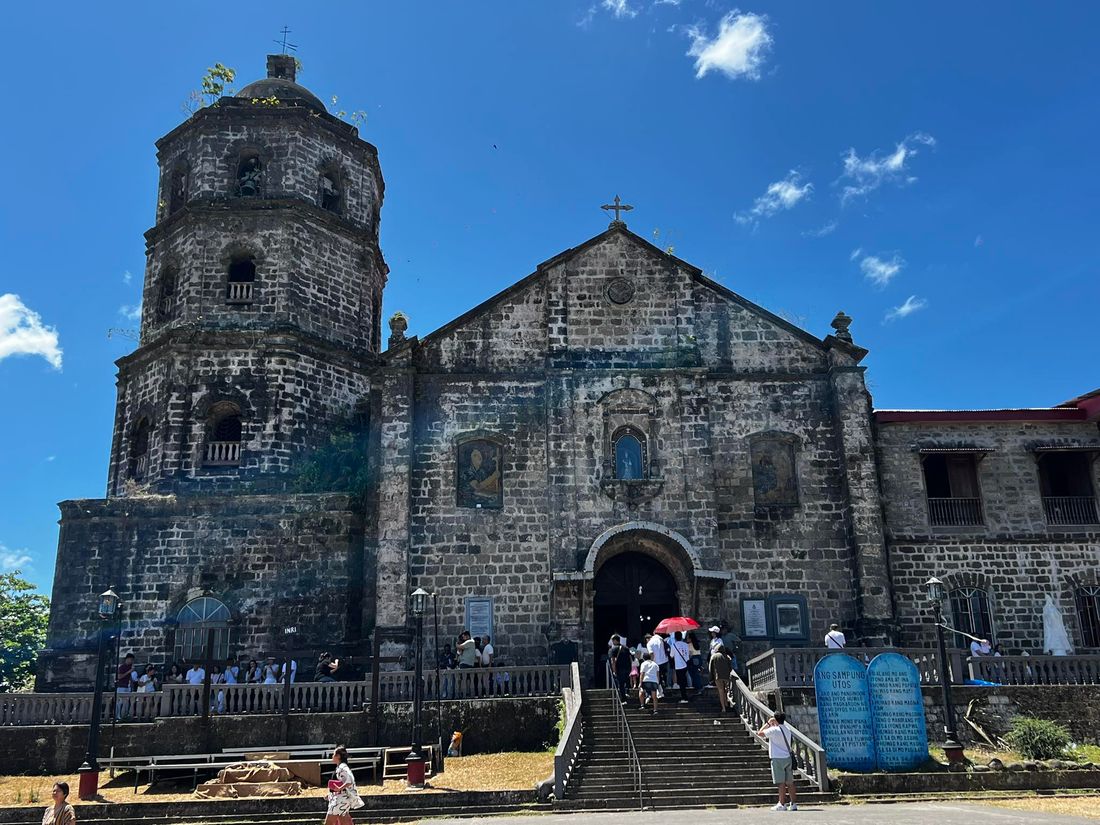
San Santiago Apostol Church – Paete, Laguna
The San Santiago Apostol Church in the town of Paete, Laguna, is another historic landmark deeply rooted in faith and resilience. The town of Paete was established in 1580 under the leadership of Fray Juan Plasencia and was initially part of the towns of Lumban and Pakil until 1600. Throughout its history, the church endured repeated destruction caused by natural disasters. It was heavily damaged by an earthquake in 1717 and was later rebuilt, with reconstruction completed in 1840. However, it was once again destroyed during the Luzon earthquake of 1880. The church was rebuilt anew and finished in 1884 under Fr. Pedro Galiano. Another strong earthquake on August 20, 1937, caused further damage to the structure. During World War II, the church suffered a darker chapter in its history when it was used by Japanese forces as a dungeon and torture site.