
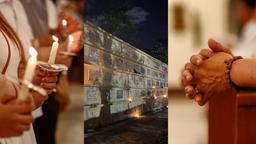
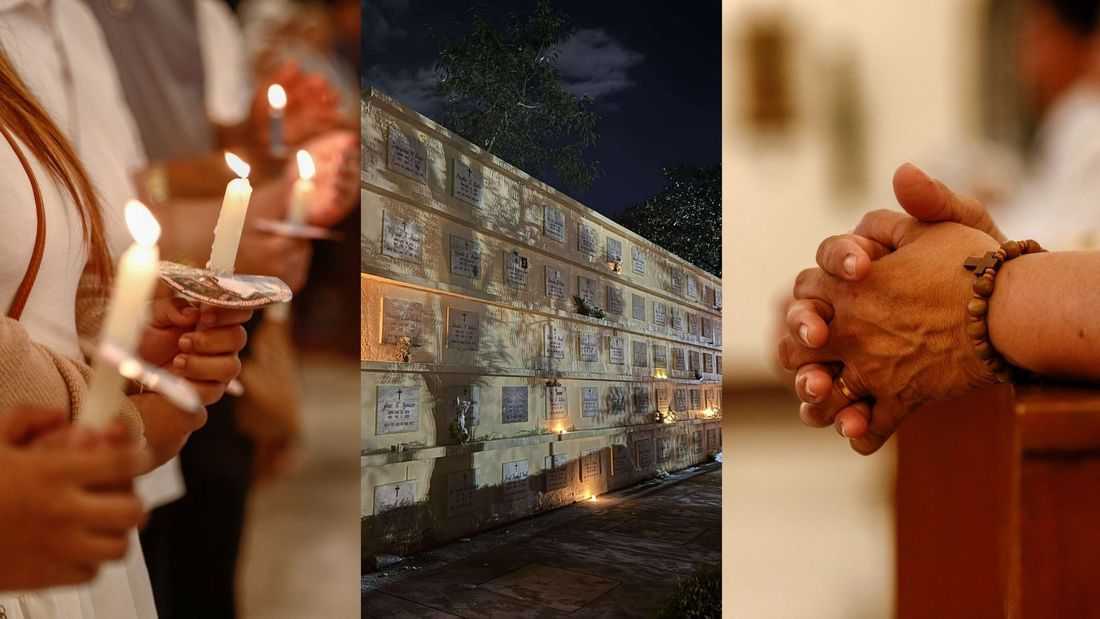
When the calendar turns to November, most Filipinos instinctively prepare for Undas, which is a time marked by crowded cemeteries, candles flickering at graves, and family reunions over food and laughter. But beyond these traditions lies a profound truth that has generally faded from public consciousness.
To help rediscover the true essence of Undas, DZRH Digital sat down with RDO. P. Arvin Ray Jimenez, parochial vicar of La Purisima Concepcion Parish in Santa Maria, Bulacan.
In this thoughtful conversation, Fr. Arvin reminds us that the season is not merely about visiting the dead, but about remembering the living call to holiness, prayer, and eternal hope.
Praying, Not Fearing the Dead
“Generally, we relate Undas to November 1,” Fr. Arvin begins. “But we must remember that we are actually celebrating two different but connected feasts—All Saints’ Day on November 1, and All Souls’ Day on November 2.”
He explains that the first day honors all the saints, both known and unknown, while the second is devoted to praying for the souls of the departed.
“These two feasts are deeply intertwined. All Saints’ Day reminds us that our end must be God. We are called to live holy and righteous lives so that we, too, may one day join the saints in heaven,” he says.
Meanwhile, All Souls’ Day is rooted in the belief that death is not the end, but a passage. “We pray for those who have died, especially those still undergoing purification in purgatory,” Fr. Arvin adds.
“Our prayers help them as they journey toward the eternal kingdom of God.”
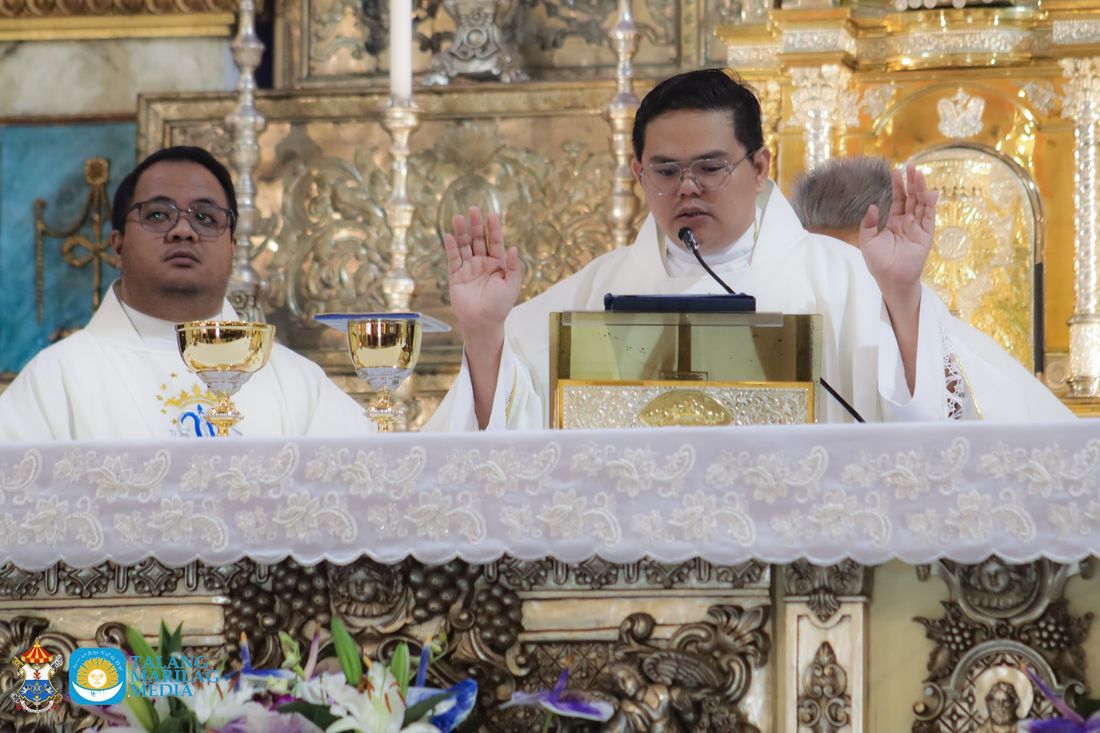 Fr. Arvin Jimenez presides a mass with Fr. Jonathan Paul Ventura and Msgr. Alberto Suatengco at the Minor Basilica and Parish of La Purisima Concepcion, Sta. Maria Bulacan. Photo by Talang Marilag Media/Facebook.
Faith Beyond Cemetery Gates
Over time, the priest observes, the essence of Undas has been overshadowed by routine and commercialism. “Many people see it as a civic or cultural event rather than a spiritual one,” he says.
“But visiting cemeteries should not just be about tradition—it is a sacred act of prayer.”
He cautions against certain misconceptions that have become part of Filipino custom, such as leaving food at gravesites or turning cemeteries into spaces for gambling and drinking.
“The cemetery, or Campo Santo, means Camp of the Saints. It’s a sacred place,” he stresses.
“Instead of leaving food for the dead, why not share it with someone hungry, as an act of kindness offered for the souls of our loved ones?”
Fr. Arvin also addresses how Undas has become associated with ghosts and horror. “We must remove the idea that November 1 and 2 are about fear or spirits,” he says firmly.
“Our departed loved ones are not ghosts—they are souls we entrust to the mercy of God.”
He laments that even children are taught to wear scary costumes during Halloween, which, he notes, contradicts the faith’s true message.
“When we were baptized, we renounced Satan and his works. Dressing up as demons and monsters sends a confusing message. Undas should be about prayer and remembrance, not fright.”
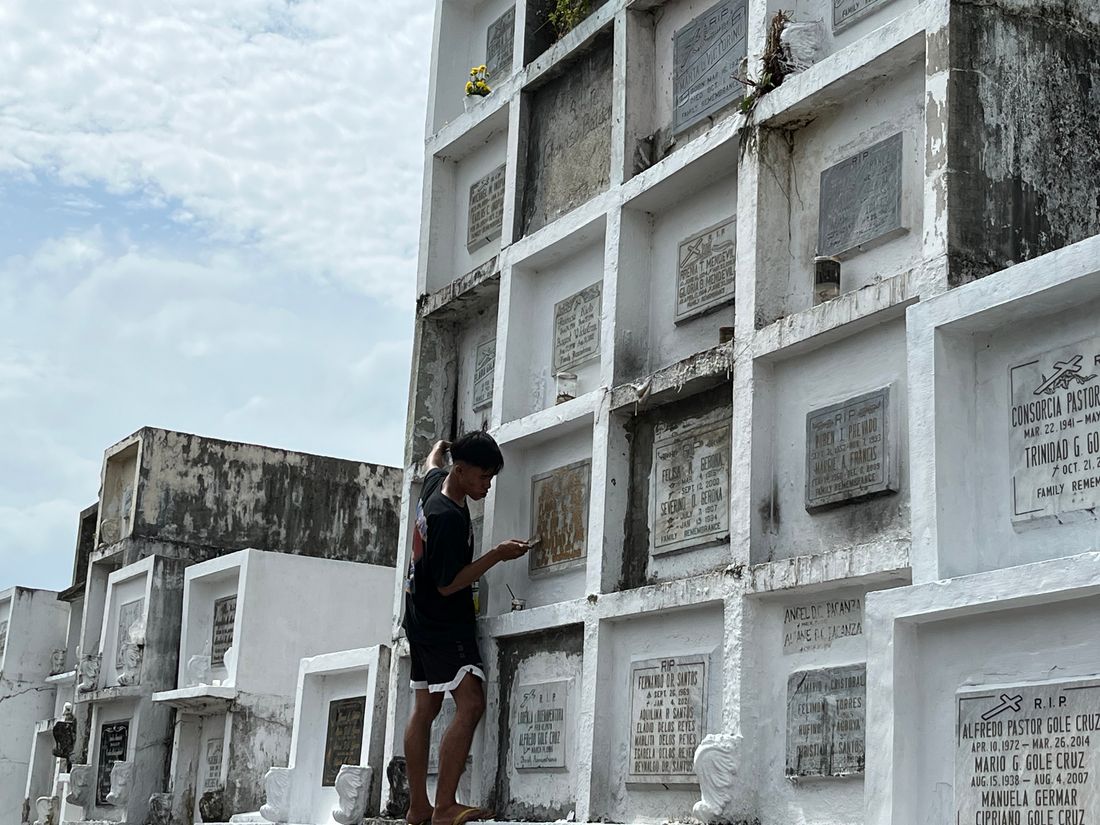
Tomb stones being cleaned and repainted in preparation for Undas 2025 at the Sta. Maria, Bulacan Catholic Cemetery. Photo by Thea Divina, DZRH Digital.
Beyond Tradition: Living the Faith Daily
As the annual Undas arrives, Fr. Arvin’s final message is both gentle and powerful: “Let Undas remind us that there is life after death—and that our time on earth is limited. Let it inspire us to do good, to be better every day.”
He adds that remembering saints and loved ones should not end on November 2. “Holiness is not out of reach. We can all be saints,” he says.
“Our past mistakes do not define us. What matters is how we choose to live from this moment onward—with faith, compassion, and love.”
In the end, Undas is not just about lighting candles for the dead. It is about rekindling the light of faith in the living, so that when our own time comes, we too may be remembered not just with flowers, but with prayers.
