

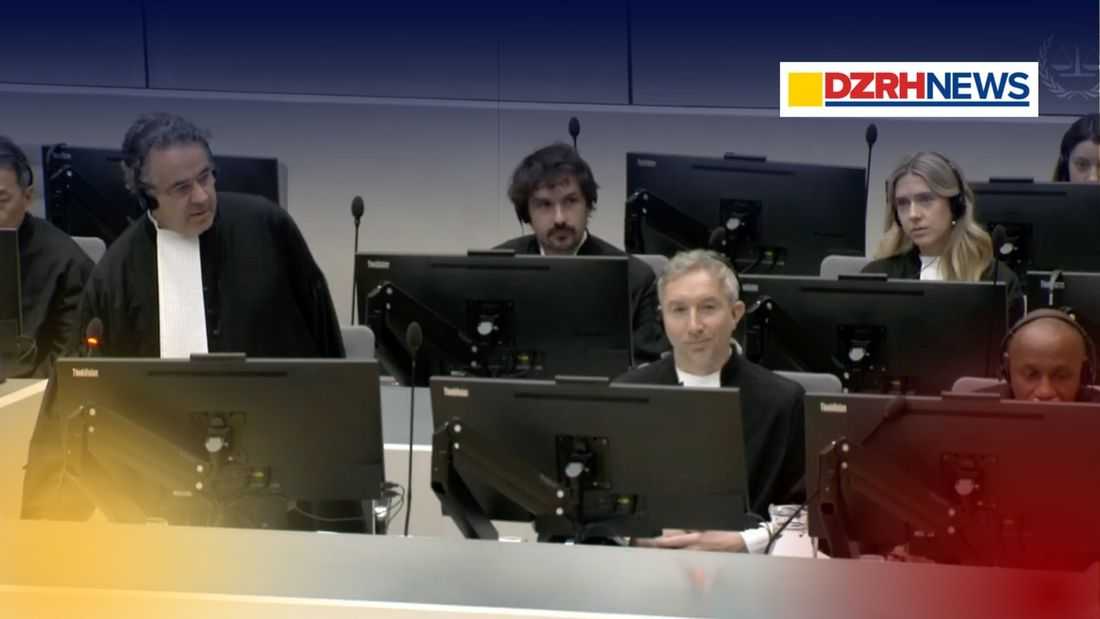
International Criminal Court (ICC) prosecutors have said that November 30, 2026, is the “soonest reasonable” date for the start of former President Rodrigo Duterte’s crimes against humanity trial, citing the need to complete key disclosure and preparation requirements before proceedings can begin.
During the first status conference on Wednesday, May 27, prosecutors told the chamber that the proposed timeline was based on an assessment of 11 essential pre-trial tasks, including evidence disclosure and coordination with the defense team led by British lawyer Peter Haynes.
“It will not be easy. It will require us to work hard and efficiently,” the prosecution said, stressing that sufficient time was necessary to avoid errors and ensure proper case preparation.
The prosecution explained that while they initially worked toward an earlier internal milestone, November 30 was identified as the earliest feasible start date that would still allow all parties to prepare adequately.
They also noted that the transition to new defense counsel required additional time for coordination, arguing that a properly prepared trial would ultimately be more efficient and fair.
However, the proposed timeline was met with differing views from other parties. Victims’ representatives pushed for an earlier commencement, suggesting a September 30, 2026, start, saying they were ready to proceed without further delay.
“At the moment, November 30 seems to them a reasonable period of time. January is too long,” victims’ counsel Paolina Massidda said, while also indicating that certain portions of the trial could proceed earlier depending on language and witness readiness.
Meanwhile, the defense did not agree to a fixed schedule, warning that key preliminary issues—including disclosure completion and questions related to the accused’s fitness to stand trial—must still be resolved.
Defense counsel Peter Haynes argued that a minimum preparation period after disclosure, typically around three months, would be necessary, suggesting that a later start in December 2026 or even January 2027 may be more appropriate.
The ICC Registry also flagged logistical concerns, particularly the availability of interpreters for expected witness languages, including Philippine languages such as Tagalog. Officials said English-language testimony could allow earlier proceedings, but full interpretation capacity would require additional preparation time.
Presiding Judge Joanna Korner acknowledged the competing proposals, emphasizing the need to balance efficiency with fairness and due process. She said the chamber would review all submissions before issuing a decision on the trial timetable.
The status conference marks an early but significant step in managing one of the ICC’s most closely watched cases, as the court moves toward setting a formal trial schedule in the coming months.
