
Pauwi na ba ang mga main characters sa probinsya?
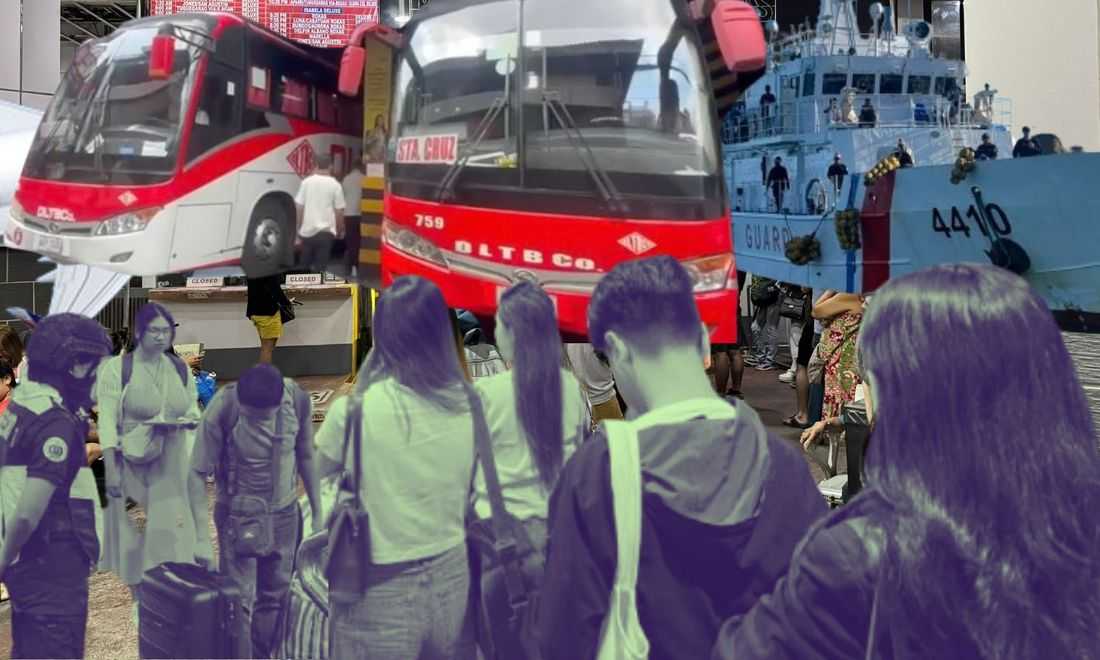
Every year, as Holy Week approaches, a familiar scene unfolds across the Philippines: crowded bus terminals, long lines at ports, packed airports, and highways buzzing with balikbayan-like energy. The signs of the Holy Week exodus are unmistakable.
But why do so many Filipinos make the trip during Holy Week?
Holy Week in the Philippines, spanning from Palm Sunday to Easter Sunday, commemorates the pivotal events of Christ’s crucifixion and resurrection. It is a sacred time for spiritual reflection, penance, and intense religious observances. For Filipino Catholics, these days are steeped in devotion, solemn traditions, and community participation.
For Warren Limbo, a video editor living in Pasay City, who is originally from Quezon Province, Holy Week is more than a period of religious observance—it is a chance to pause, reconnect with family, and find quiet moments away from the noise of the city.
"Pinili kong umuwi para na rin magkaroon rin ng time sa sarili, makapagpahinga. Makalayo sa ingay ng siyudad para kahit papaano magkaroon ng tahimik na lugar, makakita ng dagat, kalikasan. Bukod sa pagbibigay ng oras sa pamilya," Limbo said.
During these visits, Limbo looks forward to reliving the simple joys of his childhood: swimming in the sea, sharing time with family and friends, and participating in long-held Holy Week traditions. In his hometown, he has historically taken part in the "alay-lakad," visited churches, and watched local processions, keeping alive the rituals that have been part of his family’s life for generations.
For Limbo, the experience of Holy Week in the province differs greatly from that in the city.
"Dito sa Quezon Province, kahit sa city (Lucena City) patuloy pa ring ginagawa ang nakasanayan o naging tradisyon ang prusisyon, iniikot sa bayan ng Lucena, at dito rin nagmumula ang Alay Lakad pagmula sa Lucena papunta sa Lucban, Quezon, na dalawang bayan ang layo na karaniwang ginagawa kada Semana Santa na kahit matanda, kabataan, mga nakikilahok," he noted.
Beyond the spiritual significance, the pag-uwi sa probinsya is a cultural tradition in itself. Whether it is attending church processions, participating in local rituals, or simply sharing meals with family, Holy Week becomes a bridge between devotion and kinship. For many Filipinos, the exodus is a pilgrimage of the heart as much as it is a journey on the road.
Stay at home
But not everyone will be returning to their hometowns. For some, staying in the city or in their current home is how they will spend Holy Week. Free from the stress of booking flights, planning itineraries, or navigating crowded terminals.
For 24-year-old Marketing Specialist Annjellica Marasigan, this Holy Week will be different from her childhood traditions. Instead of going back to their hometowns, they will remain in the city.
Marasigan explained that her family did not traditionally celebrate Semana Santa in their town of Binangonan, Rizal. When she was younger, she and her siblings would spend Holy Week in Pampanga with relatives on their father’s side, following family traditions such as the “alay-lakad” and accompanying their aunt as she carried the cross to Cutud.
However, those annual trips ended when her cousins and uncle migrated to the United States, removing the main reason for their provincial visits.
"Sila kasi yung reason talaga kung bakit kami napapauwi ng Pampanga. Saka ngayong malalaki na rin kami, aside sa hindi na sila masyadong nakakauwi ng Pinas, isa rin sa dahilan kung bakit dito na lang kami sa Rizal nag ho-Holy Week ay dahil medyo malayo rin kasi kami sa mga kamag-anak namin sa Pampanga," Marasigan said.
Practical concerns—including distance and the rising costs of travel as the country faces a fuel crisis due to tensions in the Middle East—also make staying home more feasible, while still allowing her and her family to honor the spirit of the season in a simpler way.
"Medyo magastos din ang pamasahe, lalo na sa kasalukuyang estado ng ekonomiya natin ngayon. Ang mahal ng mga bilihin, ng gas, at pamasahe," she added.
Similarly, government employee Carmela Miranda has chosen to observe Holy Week at home in the city. With a demanding schedule at work and law school, she uses this time to pause, reflect, and cherish quiet moments with her mother.
"Mas pinipili namin ni mama na manatili na lang sa bahay kesa bumiyahe, umalis kasi ito dapat ‘yung panahon na mas makakapagbond kami together sa bahay namin. Instead of having to plan everything para umalis at gumastos," Miranda emphasized.
For the 23-year-old working student, the sacred season is less about travel or grand traditions and more about slowing down, reconnecting, and finding peace in everyday moments.
Whether traveling home or staying in the city, Holy Week in the Philippines is a celebration of faith, family, and tradition.
