
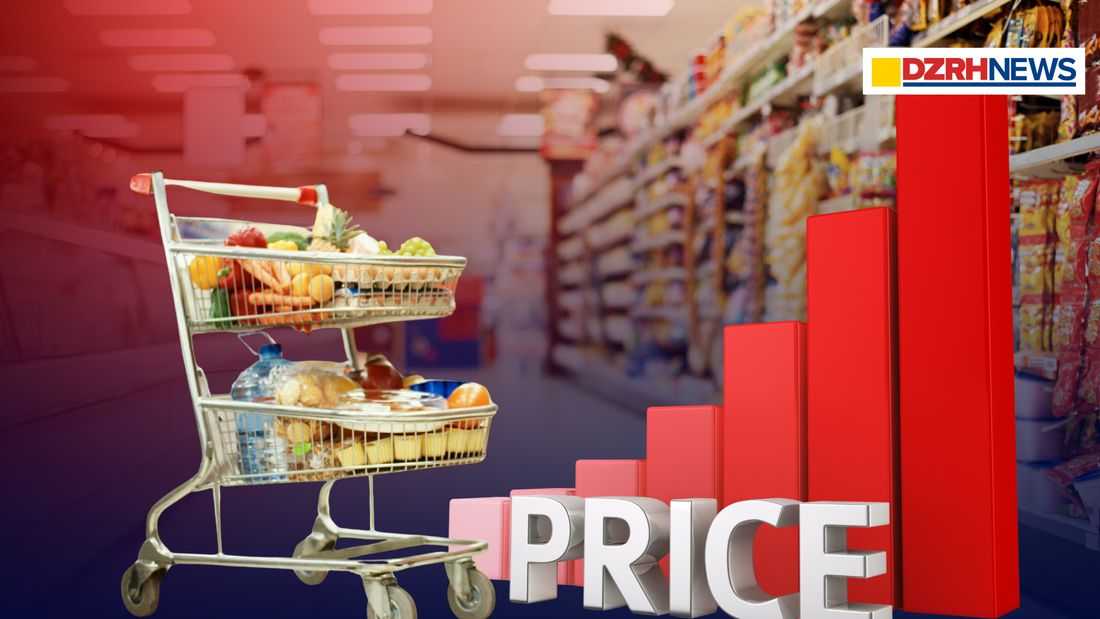
Supermarkets in the Philippines are bracing for an inevitable increase in the prices of basic commodities following recent surges in global oil prices, though industry leaders say the hikes will likely be gradual to avoid spooking consumers.
In an interview with DZRH’s "Special on Saturday," Steven Cua, President of the Philippine Amalgamated Supermarkets Association (PAGASA), confirmed that while price adjustments are "for sure" on the horizon, the industry is prioritizing supply stability over immediate price spikes.
Cua noted that manufacturers have utilized the past month to ramp up production, ensuring that shelves remain stocked despite the geopolitical tensions in the Middle East.
"Napakagandang nabigyan natin ng time, nabigyan natin ng oras, ng panahon ang mga manufacturers na magdagdag ng kanilang production," he stated.
“Kapag tayo ay namili kaagad, at hindi sila nakapaghanda na kami ng production dahil sino bang inaakalang magkakagiyera, eh maubusan tayo ng stocks at pag panic buy, lalo nang mabilis, maubos ang produkto," he added.
While the necessity for higher prices is driven by the rising costs of production and delivery—both of which rely heavily on fuel—Cua emphasized that the timing and magnitude of these increases remain a management decision for individual brands.
"Kung ako, meron pa akong stock, meron materials pa ako, ayoko pa magtaas, gusto kong kainin ang market ng aking kalaban, market share, eh pwedeng di muna ako magtaas," Cua explained.
"Kasi pag magtaas ako at hindi nagtaas ang kalaban ko, karibal ko, eh baka lumipad sa kanya ang aking merkado, ang aking customers," he continued.
Cua suggested that any necessary 10% increase might be broken down into smaller increments—such as an initial 2% hike followed by 4% adjustments over several months—to soften the impact on Filipino households.
So far, Cua reported that only about seven companies have notified Metro Manila stores of their intent to adjust their prices. He clarified that these are "adjustments" rather than massive spikes, as manufacturers are wary of the difficulty of lowering prices once they have been raised.
Addressing the common complaint that retail prices rarely drop even when oil prices stabilize, Cua noted that price decreases often happen through less obvious methods.
"Nagbababa sila ng presyo, meron ba nangyayaring ganyan? Meron," he emphasized.
“Hindi napapansin ng mga mamimili kasi it comes in the form of bundling, discounts, yung buy 1 take 1 kahit na hindi pa malapit ang expiration, these are all forms ng lowering of prices," he continued.
