
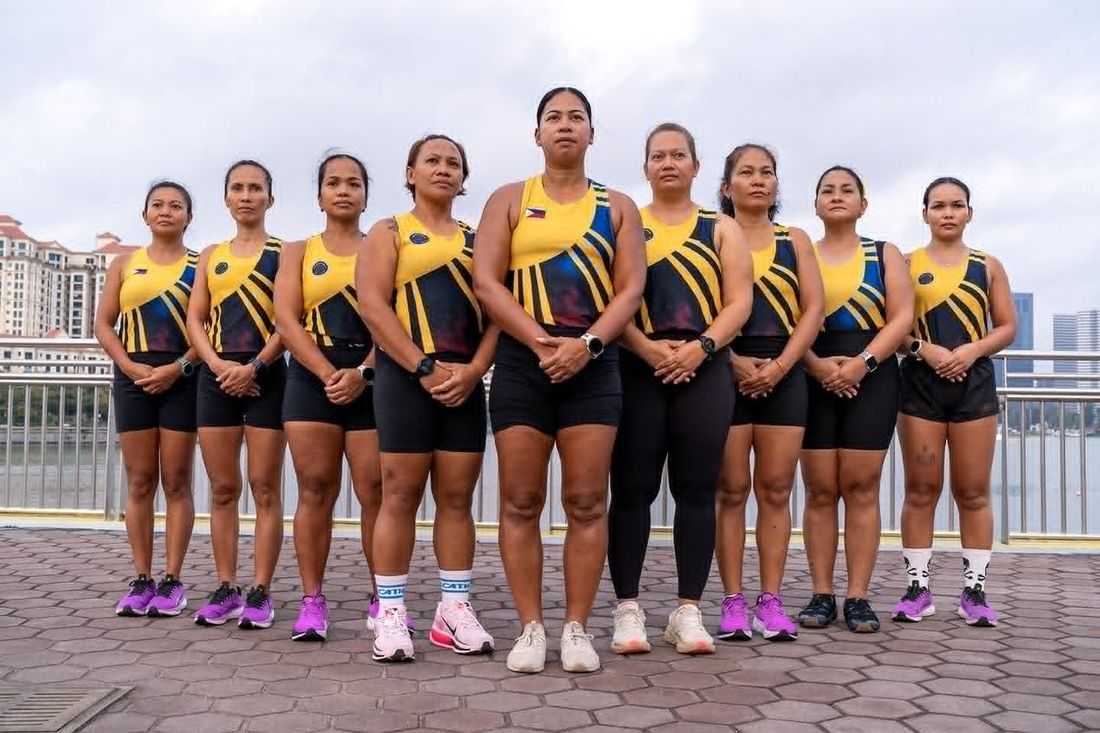
[EXCLUSIVE] SINGAPORE — After long days working as domestic helpers in Singapore, a group of Filipino women trades household duties for paddles and training sessions, finding in dragon boat racing a space where they can compete, pursue their passion and be recognized beyond their jobs.
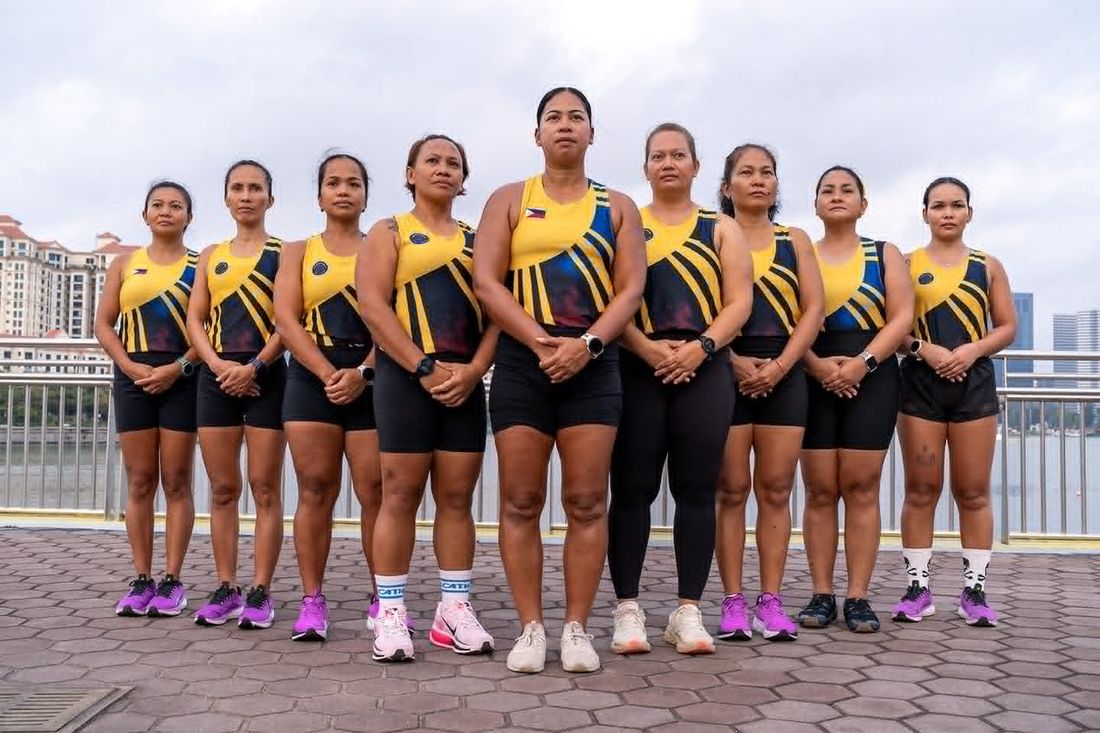
Among them are Anne Lore Legaspi, Florence Baito, Marecil Plaza, Arlyn Buen, and Robilyn Nerveza and Julie Hertz Larena, members of 1 Fortis Dracones, a team composed primarily of Filipino domestic helpers in Singapore.
The team is preparing to represent the Philippines at the 2026 Club Crew World Championship in Taiwan from September 2 to 7, where it will compete in the DB22 Premier Women’s category in the 200-meter, 500-meter and 2-kilometer events.
These performance-based paddlers have already gained international experience as strong competitors, earning finalist spots and medals across multiple categories in races held in Jakarta; Busan, South Korea; and Penang, Malaysia, in addition to local competitions in Singapore.
Their preparations for Taiwan, however, come on top of their responsibilities as domestic helpers.
WHEN WORK ENDS, TRAINING BEGINS
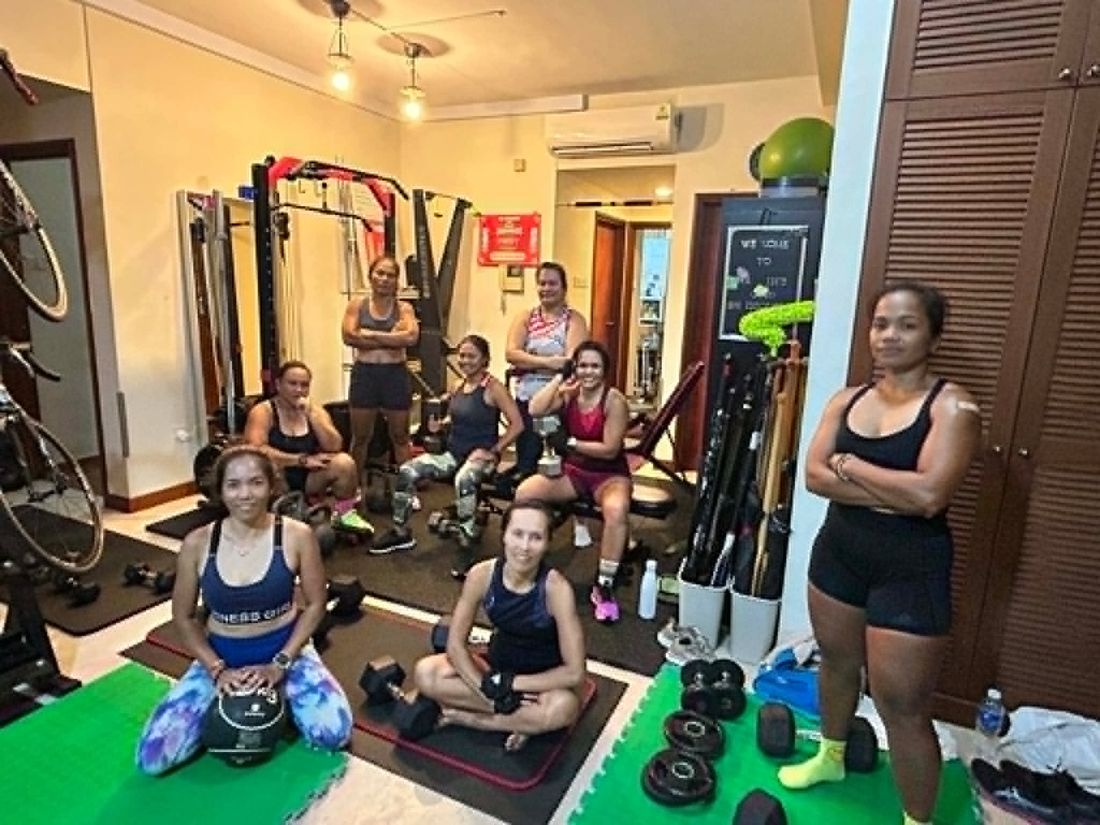
With the support of their employers, the athletes train after work, with land-based training usually beginning after 7:30 p.m. Their sessions are held at the residence of their coach, Princess, which has been converted into a makeshift gym for the team.
Because some of the paddlers are not permitted to use the gyms and swimming pools in their employers' residences, they rely on this shared training space to stay competitive.
Sundays, their usual day off, are dedicated to water training.
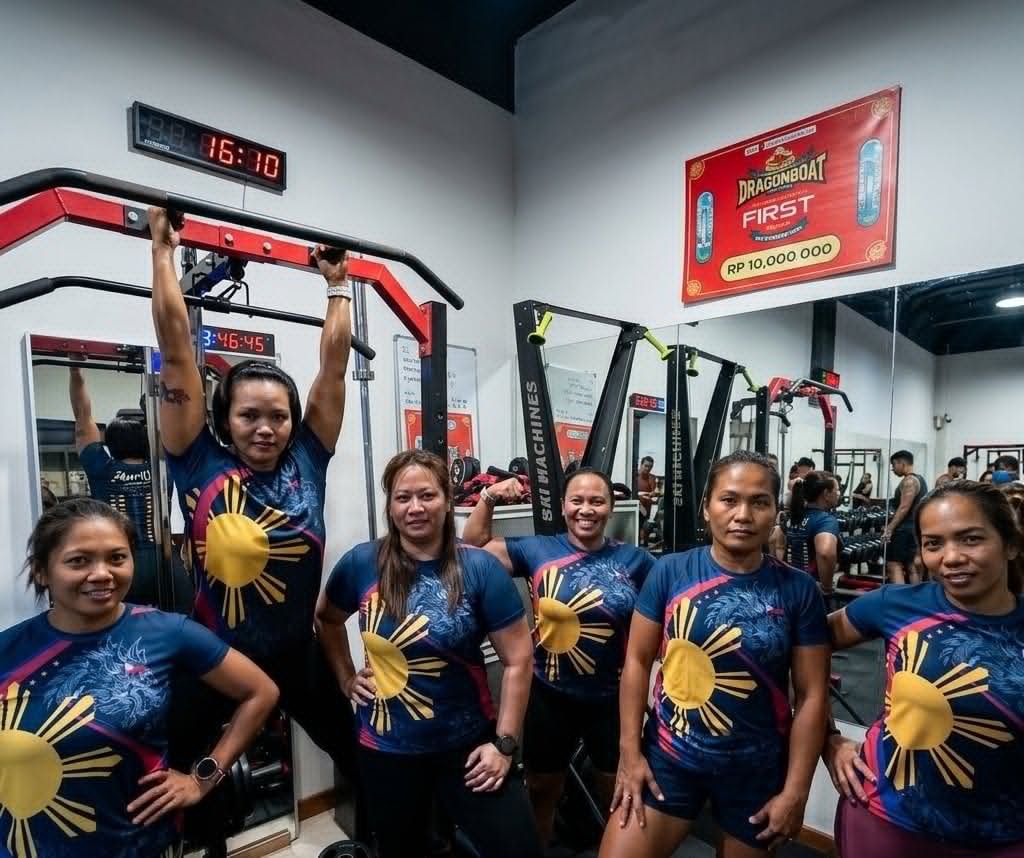
Those sessions can last four to six hours.
Balancing work and training is not easy, but the team said commitment to the sport and to one another keeps them going.
“Commitment to the sport and to the team,” one of the members said when asked how they manage to stay consistent despite their demanding schedules.
For some members, dragon boat also became a way to find balance while working abroad.
One of the paddlers discovered the sport through her involvement in supporting fellow Filipino helpers. Another was introduced to dragon boat by a friend after arriving in Singapore and eventually found a community among fellow Filipino paddlers.
A SECOND IDENTITY ON THE WATER
Over time, the sport became more than just a physical activity.
For the team, it became a place where their occupation no longer defined them.
All of the paddlers, except their coach and board of directors, are domestic helpers. But once they step into the boat and begin racing, they said their jobs are no longer the basis by which they are judged.
“They don't look at what our jobs are. They look at who can perform and reach the finish line first,” one of the members said.
That, for the paddlers, is where dragon boat provides something different.
Their strength, discipline and performance become more important than their occupation, allowing them to showcase abilities that may not be visible in their everyday work.
WHERE EVERY PADDLER IS EQUAL
A member of the team’s board of directors said the athletes should not be defined simply by their jobs as domestic helpers.
“They are not just helpers,” she said, stressing that domestic work is their occupation, but not their individuality.
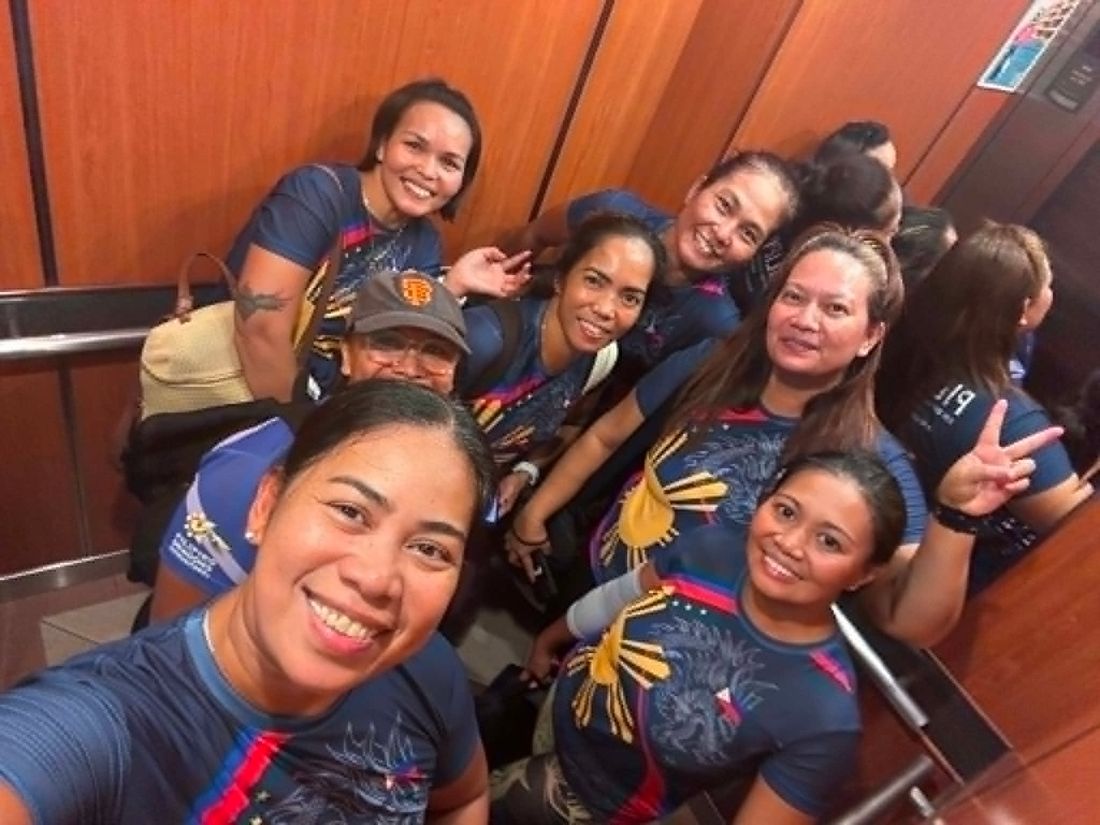
She also described dragon boat as a sport where athletes can compete on equal ground regardless of their occupation, age, body type or other circumstances.
“Sa dragon boat, pantay-pantay ang lahat,” she said.
That sense of equality has helped the team continue pursuing the sport despite another challenge: finances.
The paddlers said international competitions are costly, and most of their expenses for the Taiwan competition are self-funded.
They are hoping for greater support for Filipino athletes competing internationally, particularly those who continue to pursue sports while working abroad.
“For international races, we really need financial support because it is more expensive. All of us are self-funded for this race,” one of the members said.
The team has also conducted fundraising efforts, including selling shirts, to help cover the costs of their campaign.
Still, financial challenges have not changed their goal for Taiwan.
The 1 Fortis Dracones hopes to put together a strong performance, represent the Philippines proudly and compete for the win.
A RACE THAT GOES BEYOND THE FINISH LINE
But beyond the race results, the paddlers hope their journey can encourage other Filipino domestic helpers abroad to pursue interests and talents outside their work.
They urge fellow OFWs to find a sport or activity they enjoy and continue developing their abilities despite the demands of their jobs.
“Even though this is our work, we should not think that this is where we end,” one of the members said.
For team captains Florence Baito and Julie Hertz Larena, along with the rest of 1 Fortis Dracones, their work brought them to Singapore, but dragon boat has given them another identity to carry with them.
On the water, they are not defined by the work they do.
They are athletes, teammates and Filipinos racing toward the same finish line.
1 FORTIS DRACONES
Anne Lore Legaspi, Florence Baito, Julie Hertz Larena, Marecil Plaza, Arlyn Buen, and Robilyn Nerveza
Sidelines: Board Secretary Joan Paula Caritativo.
President & Coach: Marie Caraan
