
The Philippine Ports Authority (PPA) on Monday warned of limited ferry availability and possible travel delays during the Holy Week rush, citing reduced operations by shipping lines amid rising fuel costs linked to the Middle East crisis.
In an interview on DZRH’s Dos Por Dos, PPA General Manager Jay Santiago said the number of operating vessels has declined, worsening an already tight capacity situation.
“Bago pa nagkaroon ng krisis po sa Middle East, ay kulang na. Eh lalo pong kumulang ngayon dahil marami po sa mga barko po ay nagbawas po ng biyahe at yung iba nga po ay nag-cancel na po ng biyahe po nila,” Santiago said.
He advised travelers to consider postponing non-essential trips, warning that securing seats during the Semana Santa exodus may be challenging.
“Kung hindi naman po talaga essential at kung maipagpapaliban po nila, eh wag na muna po siguro tayo makipagsabayan ngayong Semana Santa,” he added.
Based on reports from shipping companies, Santiago said around 10% of trips have either been reduced or suspended. In some cases, vessels have slowed down turnaround times to conserve fuel.
However, he said it is difficult to estimate the exact number of passengers who may be affected due to varying capacities and routes.
“Mahirap pong ma-estimate. Mahirap po maistima dahil iba-iba po kasi ang rutang pinag-uusapan po natin.”
Despite concerns over congestion in ports, Santiago assured the public that the agency is ramping up its information drive and preparations to manage the expected surge in passengers.
Meanwhile, ferry fares have already increased by as much as 20% over the past two to three weeks after the Maritime Industry Authority approved rate adjustments.
To help mitigate rising transport costs, the PPA has reduced the roll-on/roll-off (RoRo) terminal fee for agricultural cargo and delivery vehicles from P516 to P1, a move the agency said could help lower fuel-related expenses.
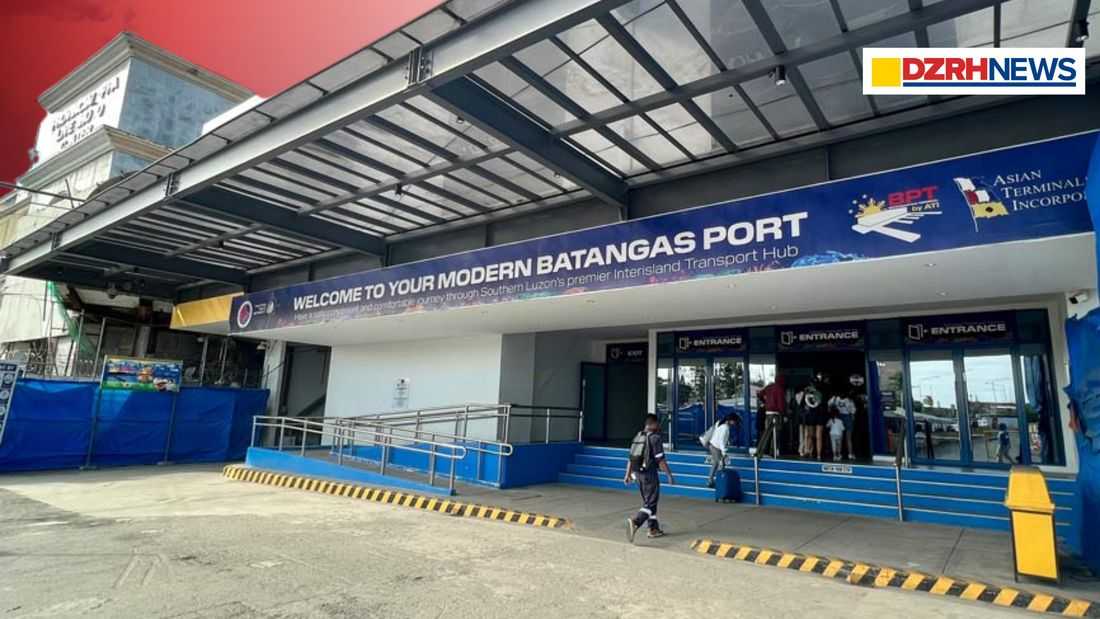
At major ports such as Batangas and Lucena, Santiago said efforts are underway to improve passenger comfort, including additional seating and tents. A new passenger terminal in Lucena is also expected to be operational by the end of June.
“Sa Lucena naman po, ongoing po yung pagtayo po natin ng makabagong passenger terminal building.”
“But in the meantime, tinugunan na po natin sila na mas marami pong tents at mga upuan at na hindi po sila nakatayo.”
The PPA has also implemented a no-leave policy for personnel from Palm Sunday through Holy Monday to ensure sufficient manpower. Additional staff have been deployed to high-traffic areas such as Balanacan Port in Marinduque.
Santiago also assured the public that overloading will not be tolerated. In coordination with the Philippine Coast Guard, vessels are being closely monitored to ensure compliance with safety regulations.
“Minomonitor po natin sa tulong po ng Philippine Coast Guard to ensure na hindi po sila mag-overloading at kahit papaano po dito sa ating sistema ay magkakaroon po tayo ng parang correcting mechanism.”
"Makikita po natin kung gano'ng karami po ba talaga ang kinakarga po nila."
Under current guidelines, 60% of vessel capacity is allocated to passengers without vehicles, while the remaining 40% is reserved for rolling cargo such as cars and trucks.
Authorities continue to urge the public to plan trips carefully and remain patient as the country navigates transport challenges during the peak travel season.
