
With the national energy emergency keeping cars in garages and fuel prices at record highs, this year’s Holy Week carries a different kind of weight. For many Filipinos, the traditional Visita Iglesia—the visiting of seven churches on Maundy Thursday—is transforming from a road trip into a mindful, pedestrian pilgrimage.
Local administrations in Quezon City and Intramuros have stepped up, releasing official "walkable" routes that prove you don't need a full tank of gas to fulfill your panata (vow).
The Walled Sanctuary: Intramuros
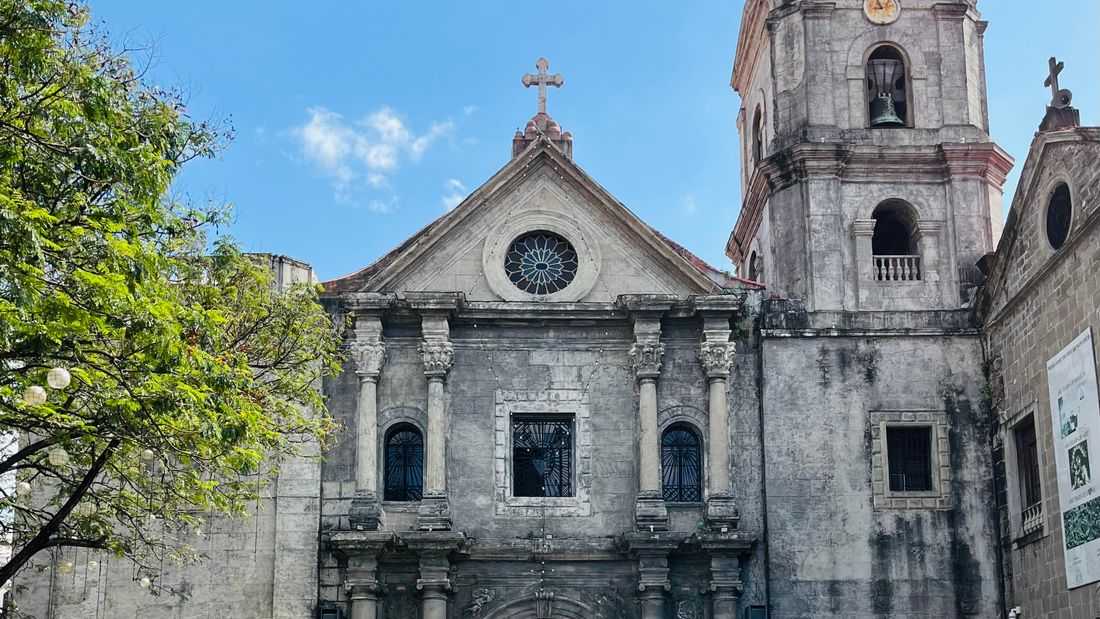
In the heart of Manila, the Intramuros Administration has curated a seven-stop loop that feels like stepping back in time. Within a mere two-kilometer radius, pilgrims can traverse the cobblestones between the Manila Cathedral and San Agustin Church, reaching five other collegiate chapels like Mapua and Lyceum on foot.
With the district closed to most motorized traffic, the usual city roar is replaced by a meditative silence, making the "sacrifice" of walking feel remarkably like peace.
The Neighborhood Walk: Quezon City’s Inter-city Routes
Quezon City has tackled its vast footprint by releasing eight specific routes spread across its six districts. Instead of crossing the entire city, the QC Tourism and Promotions Board encourages residents to stay local.
In District 1, a heritage trail connects the massive Sto. Domingo and Lourdes Shrines, while the shaded, tree-lined streets of District 4 lead devotees toward the Minor Basilica of Our Lady of Mt. Carmel.
Even in the far north, the Novaliches and Fairview loops keep the trek under eleven kilometers by utilizing the city’s expanded sidewalks and bike lanes.
By choosing to visit local parishes over travelling significant distances, this year's pilgrimage becomes a quiet act of resilience against the energy crisis and a return to the slower, more intentional roots of the faith.
For residents outside Metro Manila, conducting the traditional Visita Iglesia can still be a deeply personal and fuel-efficient experience by tapping into provincial "heritage hubs." Many historic town centers were designed with key parishes within walking distance of one another, making a car-free pilgrimage entirely feasible.
In Cebu City, devotees can easily walk between the Cebu Metropolitan Cathedral and the Basilica Minore del Sto. Niño, while those in Vigan find a pedestrian’s dream as the Vigan Cathedral sits just a short stroll from the iconic Bantay Church.
In the same essence, all Stations of the Cross can be completed without moving from one church to another, as long as a devotee chooses to reflect on all fourteen stations within a single parish.
Amid the challenging times of the 2026 oil crisis, these walking paths offer more than just a logistical solution; they provide a moment for the community to breathe.
By leaning on local government support, devotees can focus on the spiritual journey rather than the rising cost of the commute.
This shift proves that even when the country is forced to slow down, the spirit of the Filipino people continues to move forward, one faithful step at a time.
