
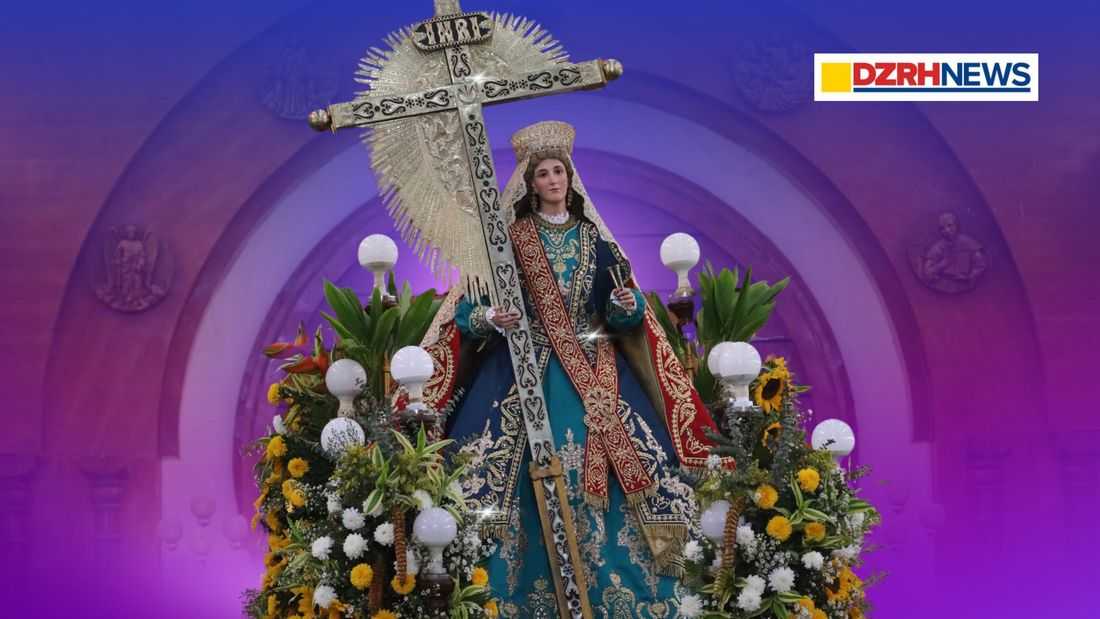
Every May, communities across the Philippines come alive with flowers, prayers, and processions as Catholics observe Flores de Mayo, a deeply rooted devotional tradition honoring the Blessed Virgin Mary. Often mistaken for a purely festive cultural event, it is in fact a month-long act of faith that blends prayer, symbolism, and community participation.
A Month Dedicated to Mary
Flores de Mayo—also known as Flores de María—is one of the most widespread Catholic devotions in the country. Practiced throughout May, it involves daily offerings of flowers, hymns, and prayers dedicated to Mary, reflecting the faithful’s reverence for her role in Catholic belief.
Historically, the devotion traces its roots to European Catholic traditions during the Baroque period, when special 30-day devotions honoring Mary were practiced. While not originally tied to May, the tradition eventually aligned with the month, which the Church later dedicated to Marian devotion.
When introduced to the Philippines during the Spanish colonial era, Flores de Mayo became deeply embedded in local religious life, evolving into a vibrant expression of faith that continues in parishes, schools, and communities nationwide.
More Than Flowers: A Living Tradition of Faith
Beyond its floral offerings, Flores de Mayo is also a form of catechesis and spiritual formation, especially for young participants. Children often take part in daily prayers and offerings, learning Catholic teachings while expressing devotion through simple acts of reverence.
At the center of the practice is the belief in honoring Mary as a model of faith and obedience, making the devotion both personal and communal.
Santacruzan vs. Flores de Mayo: Understanding the Difference
While closely associated, Flores de Mayo and Santacruzan are not the same tradition.
Flores de Mayo is a devotional practice observed throughout the entire month of May, centered on prayer and floral offerings to Mary.
Santacruzan, on the other hand, is a religious-historical procession that usually takes place at the end of May.
Derived from the Spanish words “santa” (holy) and “cruz” (cross), Santacruzan commemorates the search for the True Cross by Queen Helena, mother of Emperor Constantine the Great. According to tradition, three crosses were discovered, and the true cross was identified through a miraculous healing.
Unlike Flores de Mayo, Santacruzan features a ceremonial procession with participants portraying biblical and historical figures. Despite its pageant-like appearance, it remains a religious expression rather than a fashion or beauty contest.
A Cultural Heritage That Endures
Today, both traditions remain important parts of Filipino Catholic identity. Flores de Mayo continues as a quiet, daily devotion, while Santacruzan serves as a grand public expression of faith and heritage.
Together, they reflect a uniquely Filipino blend of spirituality, history, and community celebration—where devotion is not only expressed through prayer, but also lived and shared through generations.
