
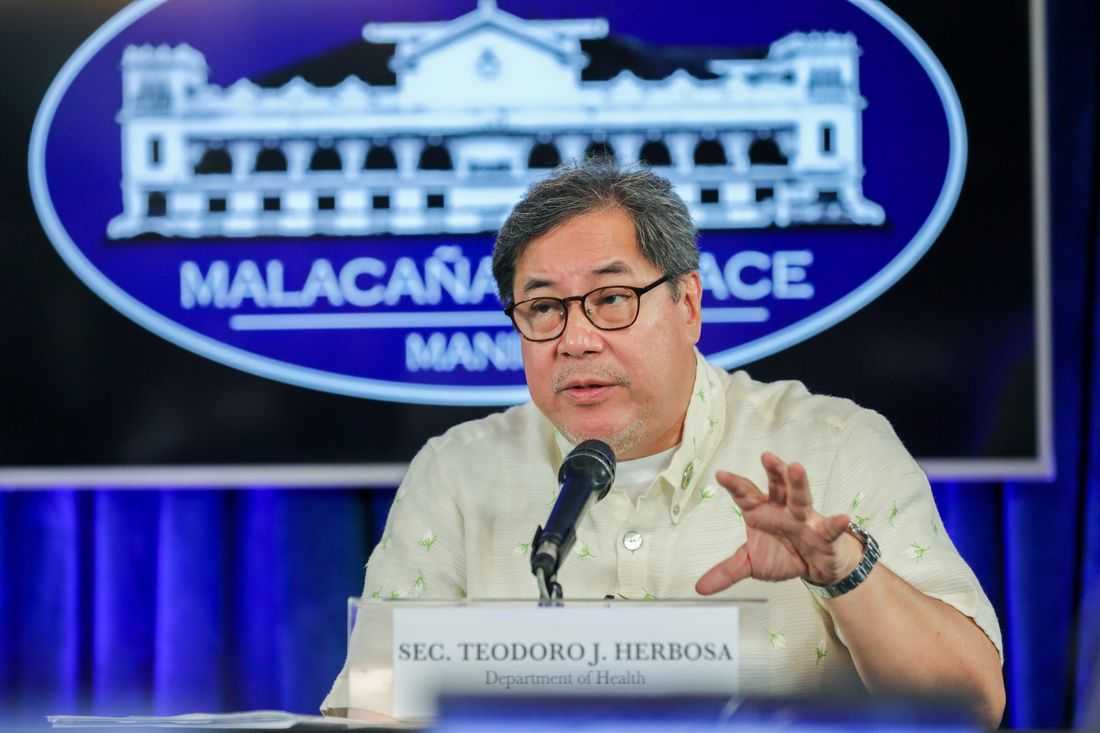
Department of Health (DOH) Secretary Teodoro “Ted” Herbosa has disclosed that the agency is currently investigating 300 super health centers that remain non-operational.
Herbosa appeared before the Independent Commission for Infrastructure (ICI) on Friday, following his recent disclosure that 297 super health centers across the country were found to be non-functional or non-operational.
“Kasi kahapon ina-announce ko 297, akala ko nabawasan na kasi nag-open yung binisita ko, pero hindi nabawasan, nadagdagan. Naging 300 na naman,” said the secretary in a press interview.
A total of 880 super health centers were funded under the Health Facility Enhancement Program, said Herbosa. Of these, 500 have been reported as completed, while construction is still ongoing for the remaining 300. However, a department inspection revealed that 300 of the supposedly completed facilities were not operational. He added that while the initial count was 297, the number increased to 300 as of the previous evening.
According to Herbosa, the 300 completed facilities are considered “ready for occupancy” by the DOH because the term “completed” can sometimes be misleading, as in some cases like in Marikina, only the first phase of construction has been finished. This has led to confusion in assessing which facilities are actually fully operational.
“So parang naloko ako do’n ah. Sabi sakin completed na yung project na ‘yon, ayun pala completed phase 1. Pundasyon lang,” he expressed. He reiterated that the agency now uses the term “ready for occupancy” to more accurately describe facilities that are fully completed and usable. He explained that this distinction helps avoid confusion with projects that are only partially finished.
Moreover, in a report by RH 15 Jecelle Reicafort, Herbosa identified that the possible anomalies surrounding the facilities are the challenges in the opening of the super health centers as the electricity and water supply ,which are responsibilities of local government units (LGU), were lacking.
LGU is also responsible for hiring health workers such as doctors, nurses, and midwives, while the role of the DOH is limited to providing grants to initiate the construction of health facilities.
Herbosa also said that the ICI has directed the agency to continue its investigation and case buildup, and to submit any findings to the commission. He added that the ICI also recommended that the Health Department establish a Citizens Participatory Action mechanism to allow the public to report idle or non-operational super health centers in their communities.
Furthermore, in Senator Bong Go’s website, a Super Health Center is a medium-sized health facility in the Philippines designed to decongest hospitals and bring essential health services closer to communities, especially in rural and underserved areas.
