
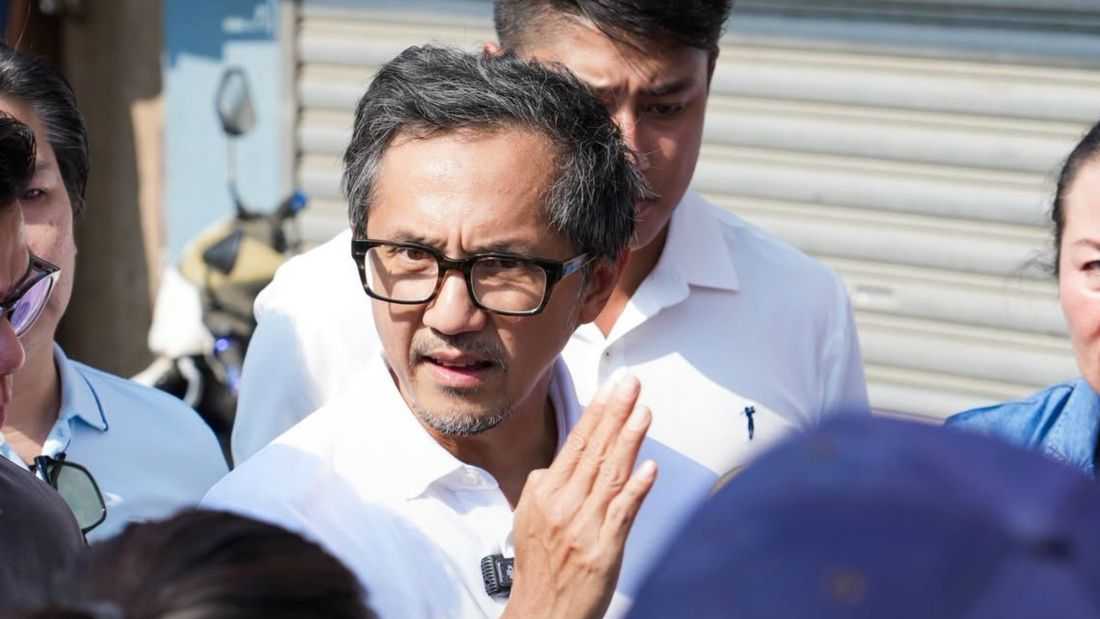
Public Works Secretary Vince Dizon on Friday called for a sweeping change in the “culture” within the Department of Public Works and Highways (DPWH), citing long-standing issues of inaction, blame-shifting and corruption behind stalled government projects.
Dizon said he hopes the agency will reach a point where he no longer needs to personally inspect projects to ensure they are properly implemented.
“Sana umabot sa punto na hindi na ako kailangang pumunta diyan,” he said, referring to his frequent site visits to check on delayed or idle infrastructure works.
In an interview with DZRH’s Dos Por Dos on July 31, Dizon acknowledged criticisms over his regular inspections but stressed that these were necessary to address deep-rooted problems within the agency.
“Minsan may mga bumabatikos kung bakit ako ikot nang ikot, inspection nang inspection. Ang problema kasi natin, itong kultura sa DPWH dekada na ‘yan — kultura ng hindi pag-aksyon, kultura ng turuan, kultura ng magnanakaw,” he said.
Dizon added that changing such a culture would take time, but firm leadership and accountability are needed to correct systemic lapses.
“So kung kailangan ko puntahan nang puntahan ‘yan… para lang matuto at mabago ang kultura, iyon ang kailangan gawin,” he said, adding that he hopes future operations would no longer require constant oversight or reprimand from top officials.
During the interview, Dizon also discussed ongoing flood control efforts, noting that equipment had already been deployed and work on raising dikes in affected areas is expected to begin next week.
He said initial feedback from residents showed that elevated dikes helped reduce flooding, even if not completely eliminating it.
“Kung tinaas ‘yon, kahit papaano maiibsan ang epekto,” he said.
Dizon estimated the project could be completed within a few months, although a more specific timeline has yet to be finalized.
He also acknowledged that not all project sites can be personally visited by officials, underscoring the need for field personnel and local leaders to take a more proactive role in identifying and addressing infrastructure problems.
Despite the challenges, Dizon expressed hope that reforms within the DPWH would eventually institutionalize efficiency and accountability, reducing the need for direct intervention from the department’s leadership.
Watch the full exclusive interview below:
