
The Department of Foreign Affairs pushed back against remarks by former Supreme Court Associate Justice Antonio Carpio accusing the agency of failing to act on China’s claims in the South China Sea.
In a statement on Tuesday, the DFA rejected Carpio’s assertion made during a television interview that the department was “sleeping on the job” instead of protesting China’s sweeping claims based on its so-called 10-dash line.
Carpio earlier said the Philippines should invoke the Biodiversity Beyond National Jurisdiction (BBNJ) Agreement, also known as the High Seas Treaty, to challenge China’s position. The treaty seeks to regulate activities in areas beyond national jurisdiction, including parts of the high seas.
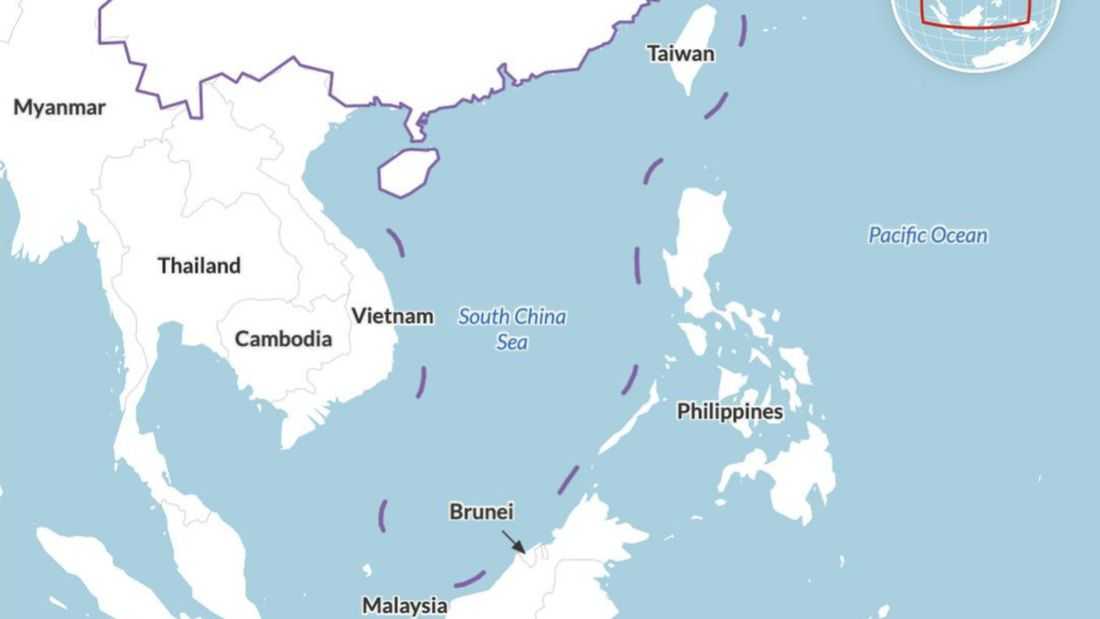
The DFA, however, stressed that the 2016 arbitral ruling already declared China’s nine-dash line claim incompatible with the United Nations Convention on the Law of the Sea and without legal effect.
It also dismissed Carpio’s warning that the Philippines risks losing its exclusive economic zone (EEZ) if it fails to file a protest within a reasonable period, saying such a claim has no legal basis.
“The Philippines’ EEZ is defined and protected under UNCLOS — not by the BBNJ Agreement — and cannot be diminished, forfeited, or otherwise affected by the country’s implementation of the BBNJ Agreement,” the DFA said, adding that the country’s maritime zones are not under threat.
The department maintained that accusations against the agency and the government are unfounded, reiterating its position that Philippine rights in its EEZ remain intact.
China has ratified the BBNJ Agreement, but Carpio argued that Beijing’s claim over nearly the entire South China Sea effectively renders the treaty inapplicable to it.
He urged the DFA to file a diplomatic protest against China at the soonest possible time to avoid the application of the “doctrine of acquiescence,” or implied consent, in the ongoing territorial dispute.
The South China Sea remains a flashpoint in the region, with overlapping claims from several countries, including the Philippines and China.
