
By Daphne Zhang and Lewis Jackson
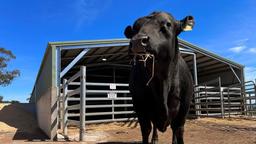
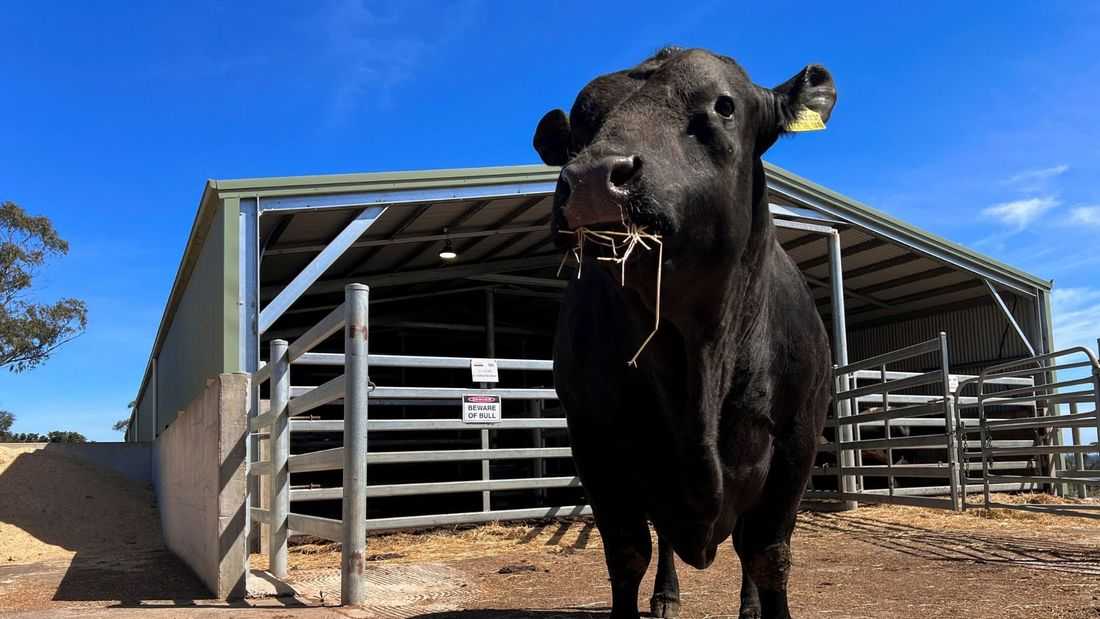
BEIJING Oct 27 (Reuters) - Utopia is one of Australia's best Angus bulls: jet black, muscular, he sires big, fast-growing cattle with superb meat quality.
On a recent morning at the Total Livestock Genetics facility in Camperdown, two hours west of Melbourne, Utopia mounts a cow and is directed by a handler into a receptacle. The high-value semen is divided into hundreds of plastic straws, each containing millions of sperm cells, enough for an impregnation.
Frozen in liquid nitrogen, the straws will be shipped to China, which is back in the bull semen market after a near halt in its cattle genetics trade that blocked imports from top sources including the US, Europe, Canada and Australia and rattled local suppliers enough to birth a market for smuggled sperm and livestock.
Now, Australian and Canadian suppliers are ramping up shipments and the United States and Britain could be approved soon, people in the industry say, as China tries to upgrade its scrawny, unproductive herds, raise beef output and dairy profitability, and cut a rising import bill.
But the resumption this year has come with a strict quality standard, limiting imports to semen from the best 10% of bulls in the country where it is produced, according to government officials, diplomats and genetics companies.
The imports -- the first batch from Australia arrived in April -- and the intensive screening, which has not previously been reported, reflect China's recognition that its own cattle cannot match the genetic quality in countries such as the US and Australia, where bigger animals are growing ever more productive, more than 20 industry participants said.
"Historically, Chinese cattle were bred for ploughing fields, and Western breeds for meat and milk production," said Hao Hongman, a manager at bull genetics firm Beijing World Wide Sires.
"Now Chinese producers want the best imported semen for their cattle to grow faster, eat less and produce more meat and dairy."
UPGRADING THE HERD
Imported semen can be used to breed cutting-edge animals or given to local cattle to create offspring that aren't top notch but produce more than their forebears.
Beef cattle carcasses in China weigh around 150 kilograms, versus nearly 400 kg in the United States, while Chinese dairy cows produce less milk than the US herd, according to the USDA. Better genetics also mean tastier, better-marbled meat, higher-quality milk, faster growth, and less feed.
These traits are becoming even more valuable as a wealthier middle class increasingly prefers prime Angus and Wagyu to the chewier cuts used in traditional stewing and braising. By 2024 Chinese consumers ate almost twice as much beef and 30% more dairy than a decade earlier, Chinese official data show. Imports of beef and products such as cream, cheese and butter have ballooned to $25 billion to $30 billion a year.
China's eventual goal is to develop world-leading genetics and shift from importer to exporter, as it has done in industries from automobiles to chicken, industry sources said.
That will be difficult, said Marcus Rees, general manager of the Australian arm of ABS Global, the owner of the virile bull Utopia.
Even as they supply China with very good genes, firms like ABS will make sure they have a pipeline of better animals coming through, he said.
Beijing's agriculture and commerce ministries did not respond to requests for comment.
'NOT A FINE WINE'
China declared self-sufficiency in animal genetics a national security priority in 2021, identifying cattle breeding as a critical weak spot. By 2026, the government had invested millions of dollars into local breeding centres, but the genetics still lag Western countries.
"Local bull stations have good genes but not the most advanced. High-end Chinese farms demand better genetics," said Rone Lane, the Canadian CEO of Beijing World Wide Sires, which sells to Chinese dairy giants including Yili, Mengniu, Feihe, and New Hope.
The gap widened after China halted live animal and semen imports from one nation after another between 2019 and 2025 and curtailed imports of cattle embryos and live animals, according to trade data and industry insiders.
Many closures coincided with political confrontations, such as US President Donald Trump's ramping up of a trade war and Beijing's then-frosty relations with Canberra and Ottawa.
"Genetics get outdated very quickly," said Ian Lahiffe, an agricultural consultant based in Beijing.
"Semen is not a fine wine. It doesn't age well. It's an antique within a year."
Some Chinese producers became so desperate during the trade shutdown that they smuggled in semen or live cattle via neighbouring countries including Mongolia, Kazakhstan, and Vietnam, a dozen people in the industry said.
"Every day, our customers want to know when they can get US semen, and when the US market will reopen," Lane said.
BUSY BULL
Semen is still flowing only slowly to China, as an expert panel puts each shipment through a review process lasting more than four months to verify that it meets its top 10% rule, genetic companies and diplomats say.
Some shipments have been only partially approved after failing to meet the standard, industry insiders said.
In Australia, a Chinese audit team arrived last year to check the facility that houses Utopia, a level of scrutiny shown by few other importers, said ABS's Rees.
By the end of August, China had received 92,573 straws of semen worth around $700,000 from Australia and Canada combined, Chinese customs data show, far less than the roughly 10 million straws a year imported in the years before the curbs, but business is growing.
ABS Australia expects to ship around 200,000 straws over the coming year containing semen from Wagyu, Angus, Holstein and Jersey bulls -- more than it ships to all other countries combined -- and plans to add two or three more Angus bulls to supply China, Rees said.
Industry players say the US, which accounts for around 55% of the half a billion dollars' worth of bull sperm shipped globally each year, will be China's dominant supplier -- as it was before the trade was frozen.
Utopia, meanwhile, is keeping busy with his twice-weekly collections. Most of his semen will be injected into Chinese dairy cows so their offspring produce more and better meat, Rees said.
"China will take as much as he can make," he said. "It's lucky he has very high libido."
(Reporting by Daphne Zhang and Lewis Jackson in BeijingEditing by Tony Munroe and Saad Sayeed)
