
Every Holy Week, the quiet barangay of Kapitangan in Paombong, Bulacan, transforms into one of the Philippines’ most intense and deeply personal expressions of faith. Thousands of devotees—locals and foreigners alike—flock to the Sto. Cristo Chapel is drawn not only by tradition but also by a powerful mix of devotion, spectacle, and spiritual longing.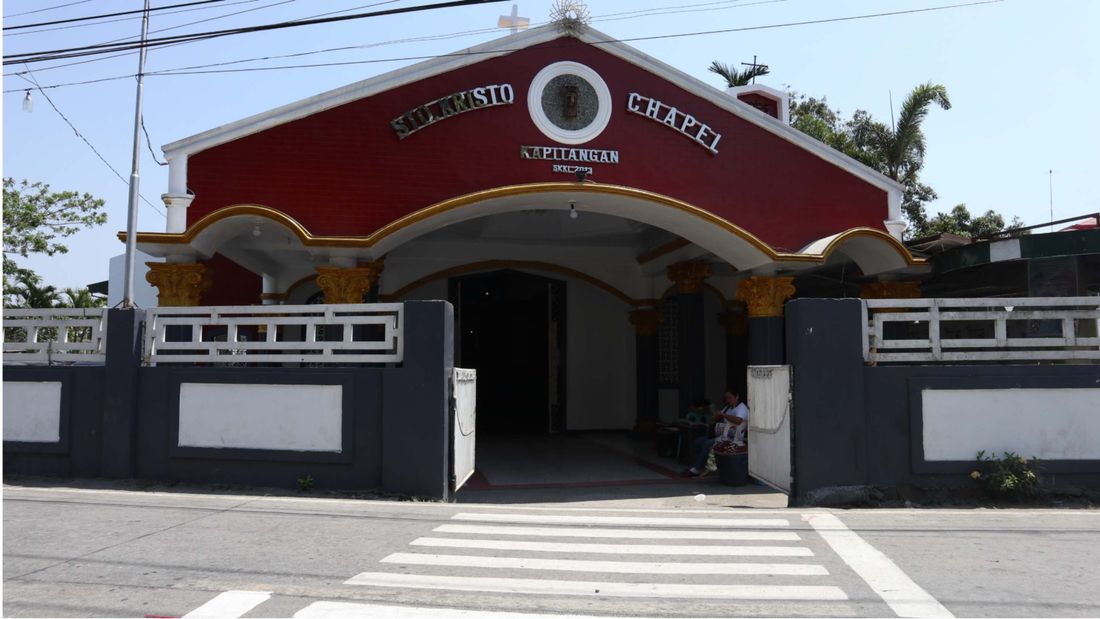
Photo courtesy: Bulacan Eats
Kapitangan is best known for its visceral observance of Semana Santa, where penitents reenact the suffering of Jesus Christ through self-flagellation, carrying wooden crosses, and, for some, actual crucifixion.
The ritual, which began in 1977, has grown into a pilgrimage site, anchored by the belief in the miraculous healing power of the Santo Kristo image. Each Holy Wednesday, the image is bathed in oil, which is then distributed to pilgrims who believe it can cure illness and restore hope.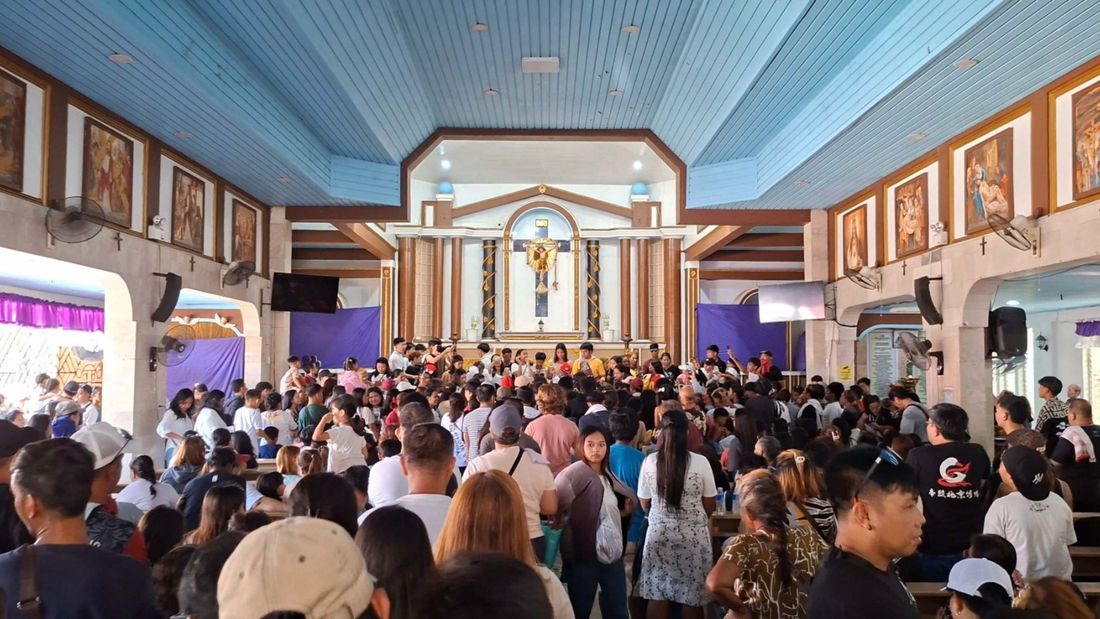
On Good Friday, the air thickens with heat, prayer, and anticipation. Groups of mambabasa chant the Pasyon as bloodied penitents walk barefoot along dusty roads.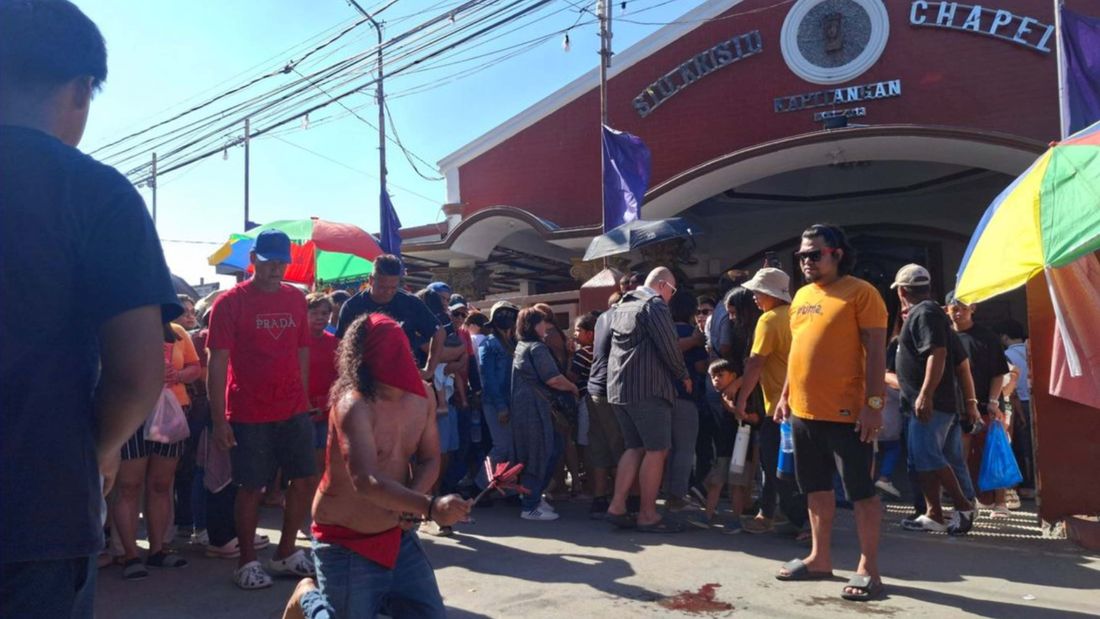
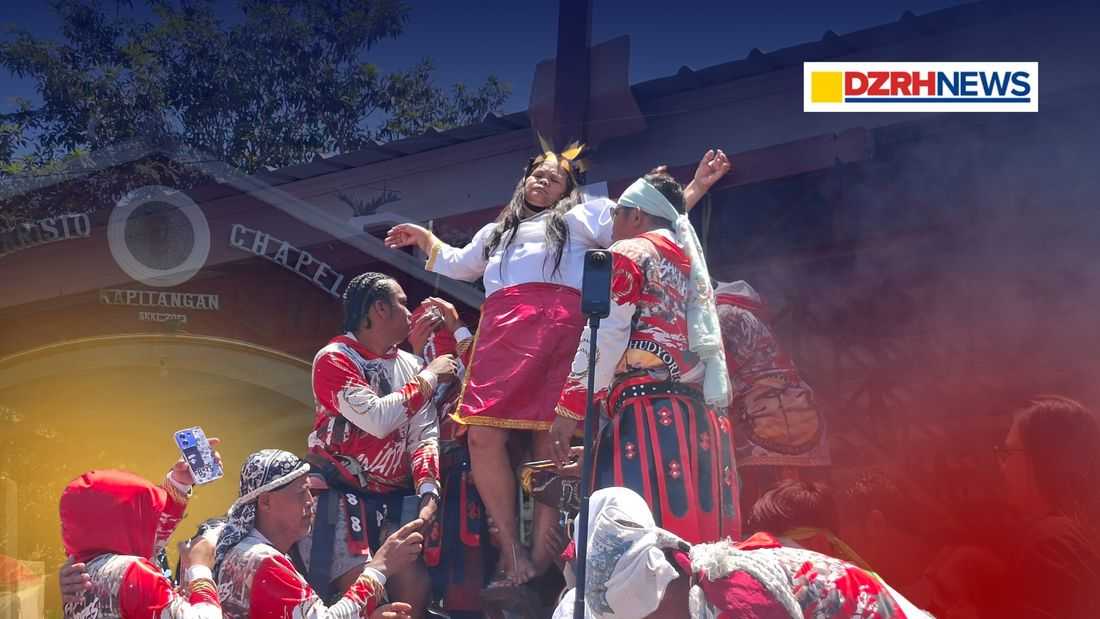
Some collapse from exhaustion, only to rise again, driven by vows known as panata. Among them this year is Engracia “Precy” Valencia, 58, the only woman who chose to be nailed to the cross.
For 29 years, she has returned to Kapitangan, offering her suffering as a personal act of devotion—an extraordinary testament to faith in a space long dominated by men.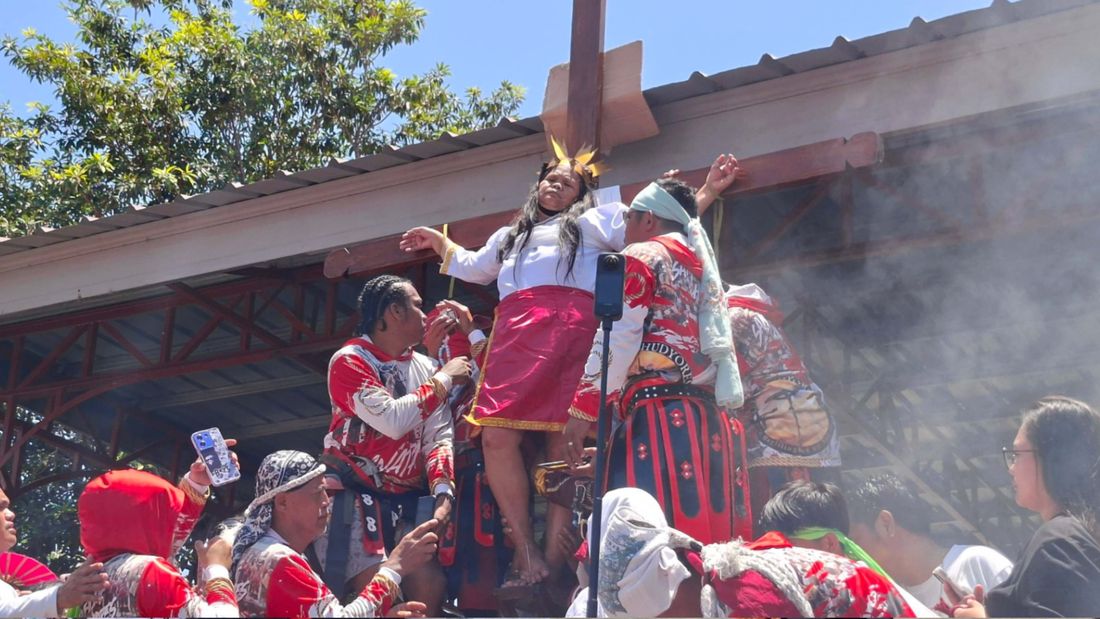
Yet beyond the dramatic visuals lies a quieter, more intimate story of repentance. Florencio Jocson Jr., 72, one of the oldest penitents in the barangay, shared a deeply emotional reason behind his decades-long practice of self-flagellation.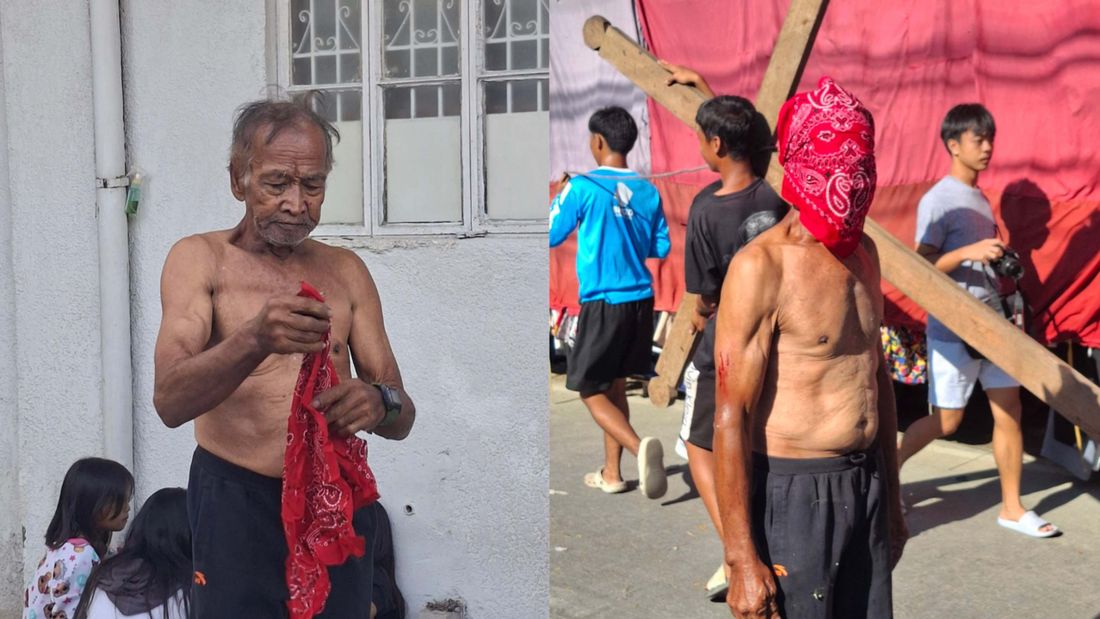
In an interview with DZRH Digital, Jocson said, “Eh yung paghingi ko ng patawad kasi naging [masama] ako sa magulang ko, maging sa lola [ko], naging napakasama akong anak at apo. Kaya ngayon, hinihingi ko yung kapatawaran. Mapatawad lang ako bago ako mawala.”
For Jocson and many others in Kapitangan, the rituals are not about spectacle—they are about redemption.
“Ginagawa ko talaga ’tong tradisyon para mabawasan ’yung mga kasalanan ko,” he said.
When asked about his prayers, he added, “Kung sakaling dumating na ako’y kunin na… puso kong tinatanggap kung ako’y kukunin niya. Nagsisisi naman ako sa aking mga nagawa… Sana'y huwag na lang nila ako pahirapan.”
Despite the Catholic Church’s disapproval of extreme penitential acts like crucifixion, the practice continues just outside the chapel grounds, sustained by generations of belief and personal conviction. Some participants claim that enduring such suffering brings them closer to God—or even grants them the ability to heal others.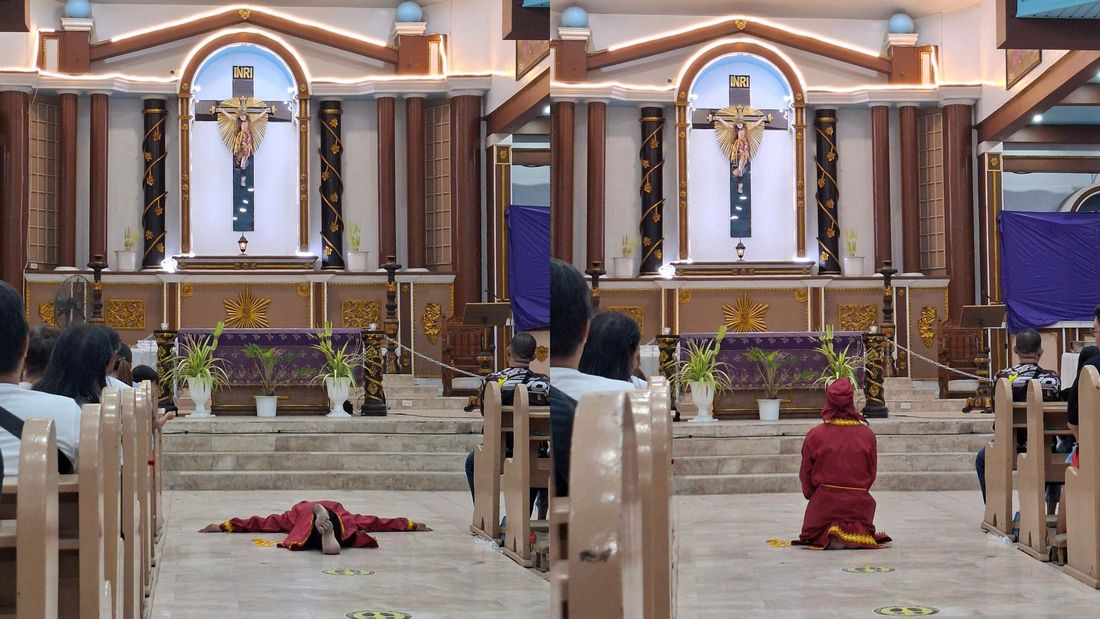
In Kapitangan, Semana Santa is not simply observed—it is lived, endured, and offered. It is a place where faith bleeds into the earth, where pain becomes prayer, and where redemption is pursued not in silence, but in the raw, unfiltered language of sacrifice.
