
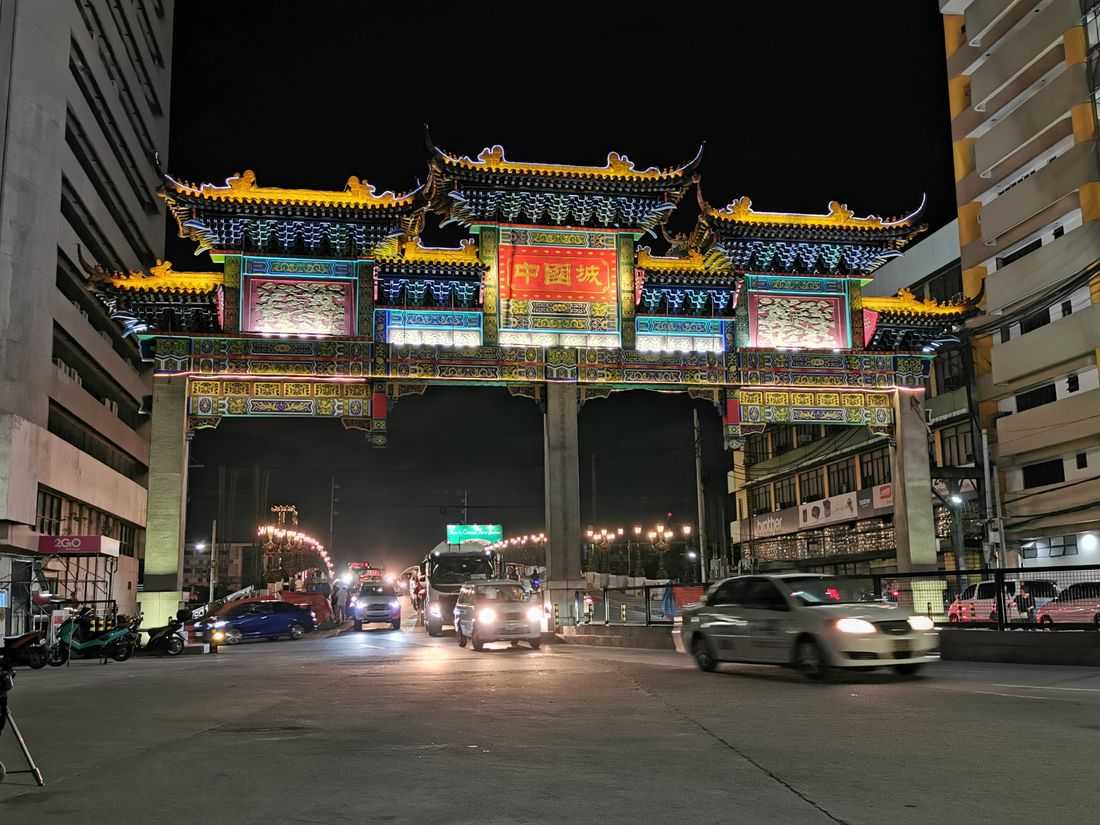
In the heart of Manila, one finds Binondo, the world’s oldest Chinatown. It was made to be a settlement for Chinese immigrants, who were mostly merchants, when it was established by Spanish Governor Luis Pérez Dasmariñas in 1594.
Dasmariñas wanted to nurture their relations with the Chinese community while being able to keep a closer watch on them. The settlement eventually evolved into the thriving business district we know today.
Its significance in Manila
In Binondo, Filipino and Chinese cultures do not just meet but harmonize—from festivals and architecture to food.
The marriage of Filipino and Chinese cultures and traditions
Filipino festivals like the Feast of the Santo Niño are celebrated in equal measure as the Chinese New Year, with its hallmark dragon dances and fireworks.
Christian and Buddhist temples coexist. Binondo Church, or the Minor Basilica of Saint Lorenzo Ruiz, was built in 1596 and has retained its Baroque style despite several reconstructions due to natural disasters and wars. Binondo is also home to Buddhist Seng Guan Temple, a consecrated place for prayer and meditation constructed in the 1940’s. Other such structures around Binondo are the Kuang Kong Temple and the Sta. Cruz Church.
Fusion cuisine
Dubbed the “Food Capital of Manila,” Binondo offers locals and tourists a gastronomical experience they won’t forget. Its fusion cuisine combines traditional Chinese flavors with Filipino ingredients and cooking techniques. From savory Xiao long bao (soup dumplings) to sweet hopia (mung bean pastry), the dining scene reflects a vibrant cultural heritage.
Commerce hub
Binondo, apart from marrying Filipino and Chinese traditions, is also known as a prominent commercial hub. It houses an abundance of businesses—from wholesale markets and retail stores to financial institutions, the place has it all. Ongpin Street, Binondo’s main thoroughfare, is lined with shops selling herbal medicine, jewelry, and other kinds of goods.
Binondo stands as a testament to the enduring fusion of Filipino and Chinese cultures, where centuries-old traditions meet modern commerce. Its streets not only tell the story of a shared heritage but also continue to drive Manila’s economic vitality, making it a cultural and commercial landmark that remains central to the city’s identity.
