
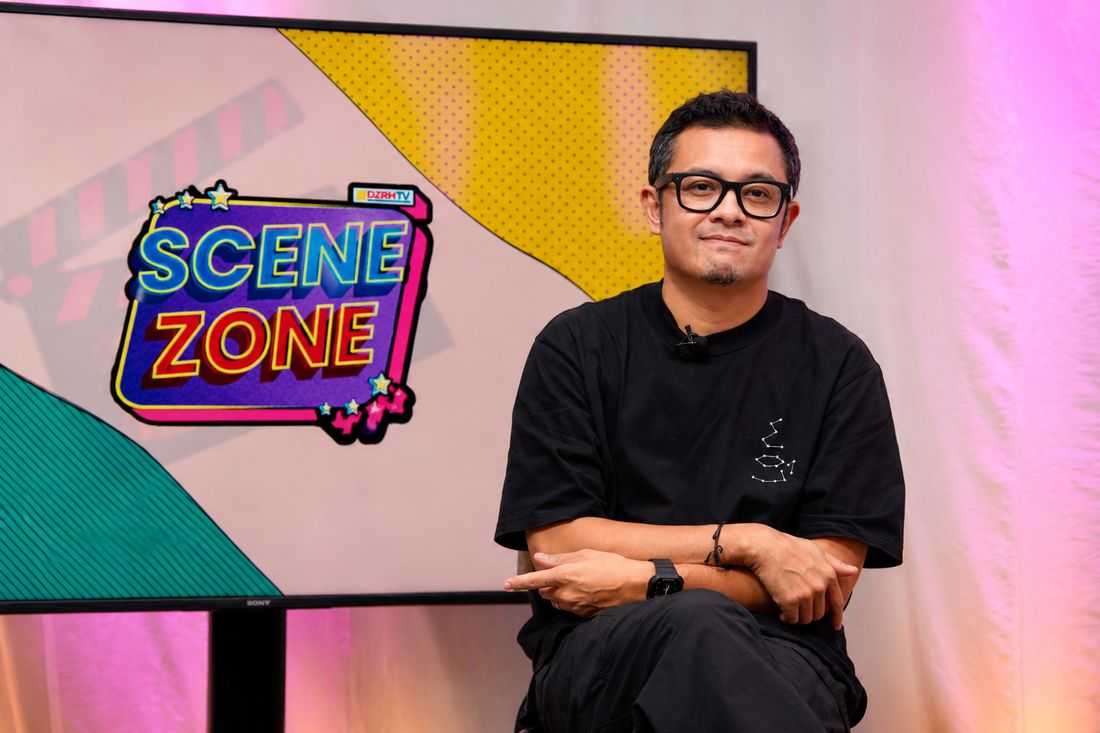
A concert may look effortless once the lights come on, but for Paolo Valenciano, the real work happens long before the audience takes their seats.
As a concert director, Paolo is responsible for turning an artist’s ideas into a complete live experience. It is a creative process that involves music, visuals, staging, lighting, choreography, and technology—all working together to tell one story.
During the latest episode of DZRHTV's Scenezone’s “Confessions of a Concert Director,” Paolo talked about the realities of creating live shows and the pressure that comes with being responsible for what happens onstage.
For him, directing is not simply about making a concert look impressive. It is about understanding the artist and figuring out how to translate their personality and music into a visual experience that connects with the audience.
That process begins with an idea, but the idea is only the starting point.
A concert director has to think about how every element will work together, from the opening number to the transitions and the final moment. There are also practical considerations—budgets, schedules, technical limitations, venues, and the many people involved in putting a production together.
Paolo has experienced that process through a wide range of projects, including working with some of the country's biggest artists.
His work with SB19, in particular, placed him in the middle of the growing scale of Filipino live entertainment. Their productions require not only strong performances but also carefully planned visuals, staging and technical execution.
He has also been part of the creative team behind the highly successful SexBomb reunion concert series, another project that required a very different creative approach. Rather than relying solely on spectacle, the challenge was to bring together nostalgia, personality and the energy that made the group a cultural phenomenon in the first place.
For Paolo, every production presents a different creative problem to solve.
That may be what makes concert directing appealing to him. There is no single formula for creating a great show. Every artist has a different story, every audience has different expectations, and every venue presents its own challenges.
What remains constant is the need to make everything work as one experience.
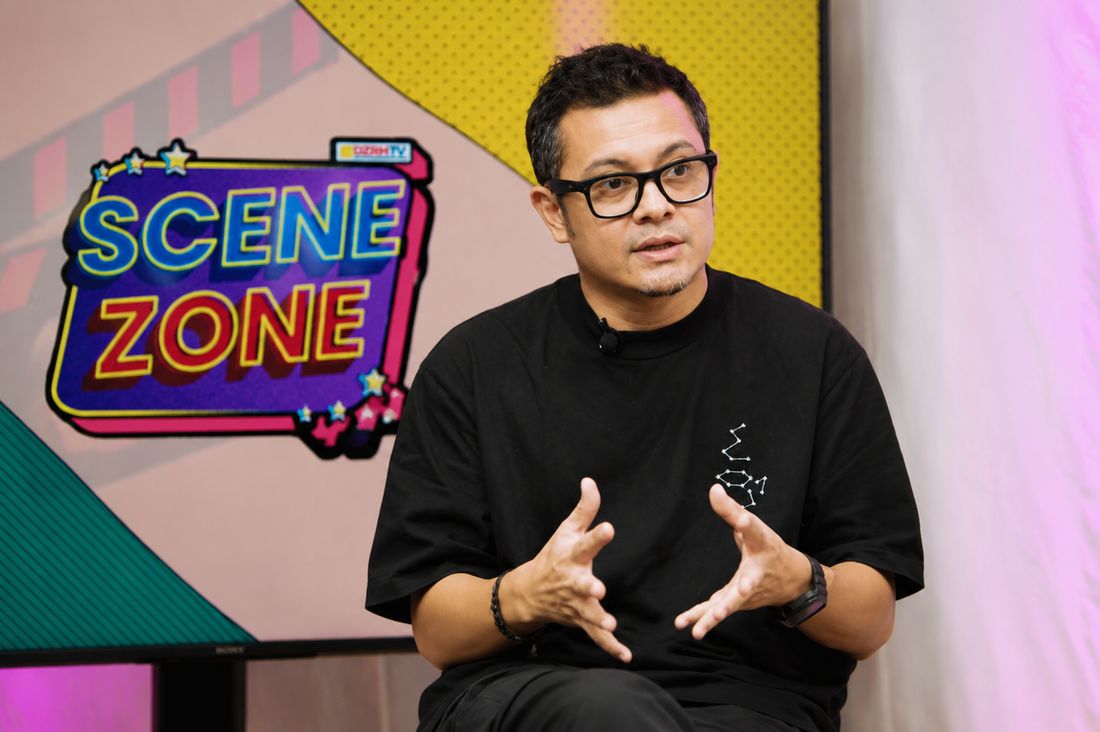
And while the audience sees only the finished product, Paolo sees everything that went into it—the discussions, rehearsals, revisions, technical checks, and last-minute adjustments that happen before the first note is played.
It's a job that requires creativity, patience, and the ability to make decisions under pressure.
But ultimately, Paolo believes the reward is seeing an idea come alive in front of thousands of people.
For someone working behind the scenes, there may be no bigger payoff than watching an audience react exactly the way you hoped they would.
Because a successful concert isn't just about what happens onstage. It's about creating a moment that people will remember long after the lights go out.
