
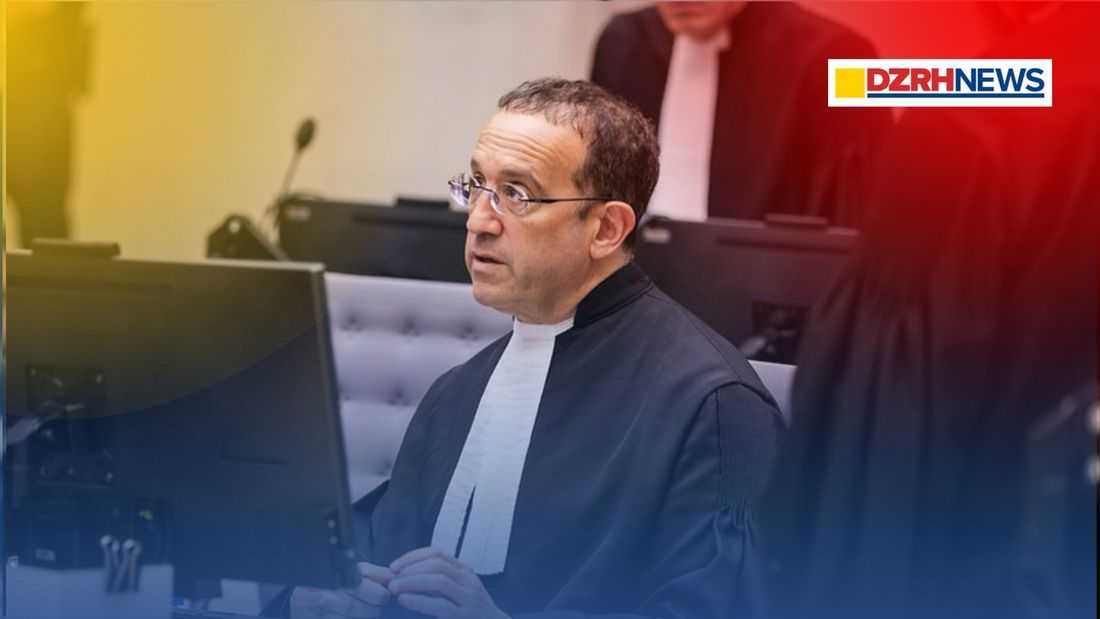
Atty. Nicholas Kaufman, lead defense counsel for former President Rodrigo Duterte, argued on Day 3 of the International Criminal Court (ICC) Pre‑Trial Chamber 1's confirmation of charges hearing that prosecution evidence linking Duterte to crimes against humanity is inconclusive.
Kaufman pointed to remarks by former senator and ML Partylist Rep. Leila de Lima about a 2009 excavation of what was reported as a potential mass grave at the Laud quarry in Barangay Ma‑a, Davao City.
At the time, the Philippine Commission on Human Rights (CHR), led by then‑chair De Lima, secured search warrants and oversaw a probe into the so‑called Davao Death Squad (DDS), an alleged vigilante group accused of summary executions during Duterte’s years as Davao City mayor
Prosecution witnesses have cited the site in support of claims of systematic killings. Kaufman countered these references, suggesting that the only evidence produced amounted to a few bone fragments that could not be definitively linked to extrajudicial killings and might even have alternate explanations.
“They could have dug up the entire city of Davao, but all they have managed to produce is a reference to Leila de Lima in a Senate committee discussing a few human remains,” Kaufman said, adding that the remains “could have belonged to World War II Japanese soldiers.”
He also rejected allegations, offered by another witness, that bodies were dumped in the sea off Davao’s coast — noting that extensive dredging has failed to produce such evidence.
The 2009 quarry finds became one of the most publicized components of earlier investigations into the DDS. However, legal and procedural challenges — including questions about jurisdiction, the validity of search warrants, and disputes over handling of the remains — complicated their use in later proceedings.
The ICC hearing continues to weigh whether the available evidence meets the threshold for confirmation of charges connected to alleged crimes against humanity during Duterte’s administration.
