
MANILA, Philippines – Foreign ministers of the Association of Southeast Asian Nations (ASEAN) aim to conclude talks for an “effective and substantive” Code of Conduct (COC) in the South China Sea before the year ends.
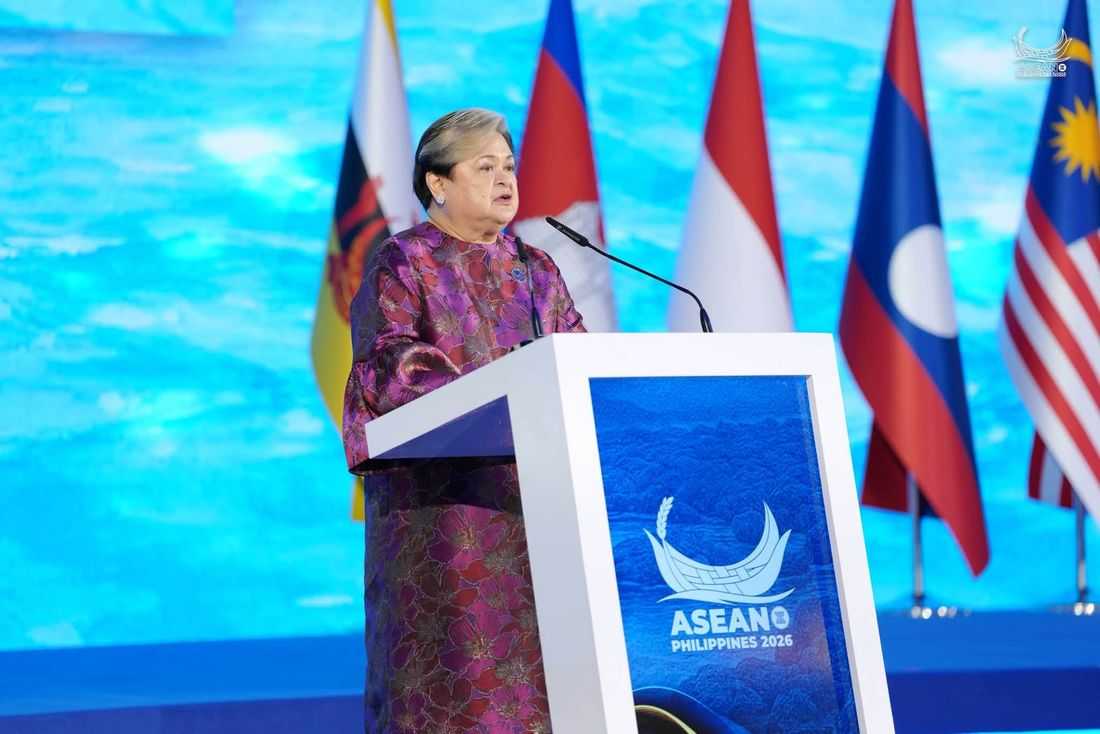
In a press conference at the International Media Center in Paranaque City during the on-going ASEAN ministerial meetings, ASEAN Chair and Department of Foreign Affairs (DFA) Secretary Ma. Theresa Lazaro said both sides have committed to conclude the code of conduct, which has been dragging on for more than a decade.
“ASEAN now and China are geared towards hopefully the conclusion of the code of conduct by the end of this year and this seems to be the focus of many of the countries and I can see some political will from all the countries involved,” Lazaro said.
The proposed Code of Conduct aims to establish some rules to prevent disputes from escalating in the South China Sea, to the point of worsening into a major armed conflict.
Previous ASEAN foreign ministers said that the bloc should aim to conclude the negotiations in three years, or this year, which fell under the chairship of the Philippines.
If no conclusion is reached for the Code of Conduct this year, the next ASEAN chair, which is Singapore, will be responsible for steering the talks.
Lazaro expressed optimism though regarding the talks and is committed to do its best to reach a breakthrough or finalize a code despite existing contentions from the other party.
The conclusion of the COC talks was highlighted during the meeting between Lazaro and Chinese Foreign Minister Wang Yi in Manila, in the sidelines of the ASEAN meetings, due to recent tensions between a China Coast Guard (CCG) personnel and Philippine Navy personnel in Ayungin Shoal last 20 July 2026.
The unresolved territorial disputes in the South China also involve other ASEAN members, particularly Vietnam, Malaysia and Brunei.
“We looked forward to continued efforts in endeavoring to conclude the negotiation of an effective and substantive COC that is in accordance with international law, including the 1982 UNCLOS, within this year,” ASEAN ministers said in their joint communique.
They also emphasized “the need to maintain and promote an environment conducive to the COC negotiations,” such as “practical measures that could reduce tensions and the risk of accidents, misunderstandings, and miscalculation.”
