
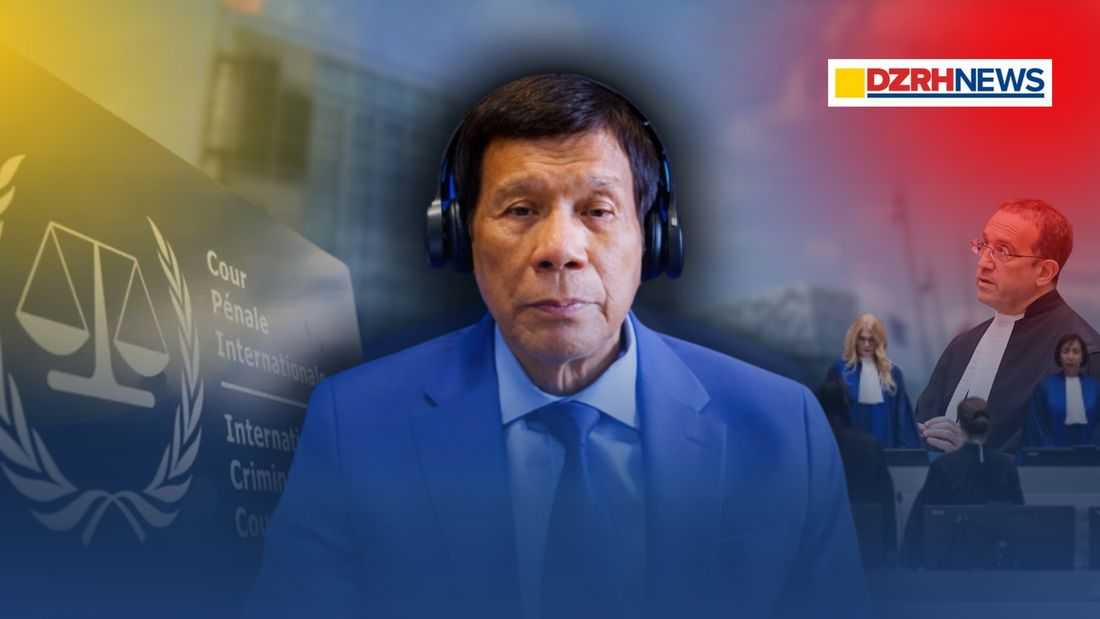
As judges at the International Criminal Court (ICC) weigh whether to confirm charges against former Philippine President Rodrigo Duterte, the legal crossroads ahead carry consequences not only for the accused but also for the Philippines’ political and diplomatic landscape.
The confirmation of charges hearing is not yet a trial, but a judicial filter. ICC judges must determine whether prosecutors have shown “substantial grounds to believe” crimes within the court's jurisdiction were committed. In Duterte’s case, the allegations center on crimes against humanity linked to the anti-drug campaign conducted during his presidency and earlier tenure as Davao City mayor.
Here is what happens next, depending on the ruling.
If the Charges Are Confirmed:
1. The Case Moves to Trial
Confirmation means the judges find sufficient evidence to proceed. The case would then be transferred to a Trial Chamber. A full trial would follow, where prosecutors must prove guilt beyond a reasonable doubt.
Both sides would present witnesses and documentary evidence. Victims could participate through legal representatives—a distinct feature of ICC proceedings.
2. Possible Outcomes: Conviction or Acquittal
If convicted, Duterte could face up to 30 years imprisonment or life imprisonment, depending on the gravity of the crimes. The ICC does not impose the death penalty. He may also be ordered to provide reparations to victims through the court's Trust Fund for Victims.
If acquitted, he would be released, and the case would effectively end unless appealed.
3. Appeals Process
Both the prosecution and the defense may appeal the decision to the ICC Appeals Chamber, potentially prolonging proceedings for years.
Possible Consequences if Confirmed
- Legal: Duterte would remain under the ICC custody pending trial and judgment.
- Political: The Philippines would face renewed global scrutiny over human rights practices.
- Diplomatic: Relations with ICC member states could deepen, especially on justice cooperation.
- Domestic Impact: The case could sharpen political divisions and influence public discourse on accountability.
If the Charges Are Not Confirmed:
1. Case Does Not Proceed to Trial
A non-confirmation ruling means judges found insufficient evidence at this stage. The case would not move forward in its current form.
2. Prosecutors May Refile
The Office of the Prosecutor may submit additional evidence and request a new confirmation hearing. Non-confirmation does not permanently bar future action.
3. Immediate Consequences
Duterte would not face trial before the ICC on the rejected charges. Politically, supporters may frame it as vindication, while critics may call for further international or domestic remedies.
The Next Legal Steps
Regardless of outcome, the process follows a defined ICC structure:
1. Pre-Trial Chamber Decision—Confirms, declines, or amends charges.
2. Trial Chamber Proceedings (if confirmed).
3. Judgment and Sentencing (if convicted).
4. Appeals Chamber Review.
5. Reparations Phase, if applicable.
Notably, although the Philippines withdrew from the ICC in 2019, the Court maintains jurisdiction over alleged crimes committed while the country was still a member (2011–2019).
What Does It Mean for the Philippines?
The case tests the tension between sovereignty and international accountability. If charges are confirmed, it signals that former heads of state in Southeast Asia are not beyond the reach of international law. It may strengthen calls for institutional reform within the Philippine law enforcement and justice systems.
If charges are not confirmed, this may reinforce arguments against international intervention and shift attention back to domestic mechanisms—or to their absence.
Either way, the decision will ripple beyond The Hague. It will influence investor perception, diplomatic positioning, and the Philippines’ long-term human rights narrative.
The confirmation ruling is a procedural threshold—but its implications are historic. Whether it leads to trial or closure, the outcome will shape not only Duterte’s legal fate but also the country’s evolving relationship with global justice.
