
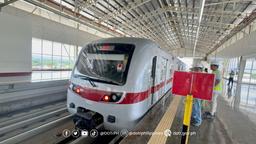
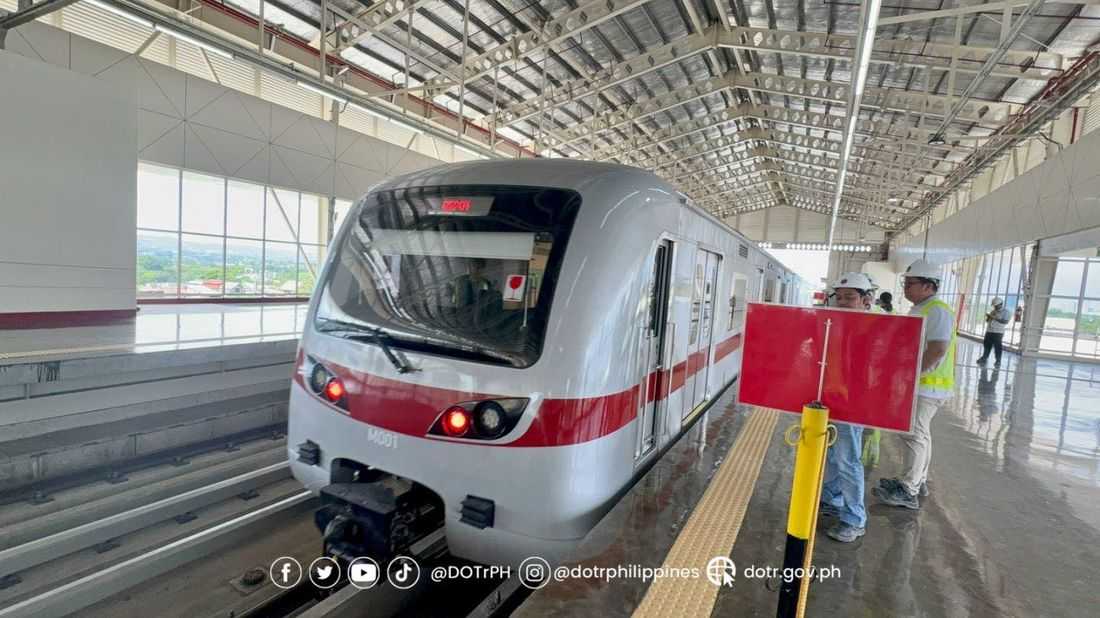
Twelve stations of the Metro Rail Transit Line 7 (MRT-7) are set to become operational by the second quarter of 2027, Transportation Secretary Giovanni Lopez said Thursday, signaling progress in one of the government’s key rail projects aimed at easing congestion in Metro Manila.
In an interview on DZRH’s “Dos Por Dos,” Lopez said the initial operations will cover 12 of the line’s 14 stations, running from Sacred Heart to North Avenue.
“Tuloy na tuloy na po yan, second quarter of next year 2027,” Lopez said.
He added that the system is expected to serve at least 300,000 passengers daily once it begins operations.
Construction of the remaining two stations — Tala and San Jose — is ongoing, with completion targeted by 2028 due to right-of-way issues still being resolved.
Lopez also assured the public that efforts are underway to ensure connectivity between MRT-7, MRT-3, and Light Rail Transit Line 1 (LRT-1) before President Ferdinand Marcos Jr. steps down in June 2028.
He said partial operations of the North Avenue “common station,” which will link the rail lines, are expected by the first quarter of 2028.
The transport official also noted that a variation order has recently been approved, authorizing Light Rail Manila Corp. (LRMC) to complete the project after the previous contractor’s contract was terminated due to delays.
“Nagkaroon tayo ng bagong proseso, finally na-approve na yung variation order ng LRMC, sila na ang magtatapos dyan.”
Despite the 2028 timeline for partial operations, Lopez said the government aims to make the concourse and platform of the common station accessible as soon as MRT-7 begins operations in 2027. This would allow passengers to transfer directly to MRT-3 without exiting onto the street.
“By the third quarter of 2028, commuters can expect seamless connectivity and mobility across MRT-7, MRT-3, and LRT-1,” Lopez said.
The MRT-7 project is seen as a major addition to Metro Manila’s rail network, intended to improve travel time and provide a more efficient transport option for commuters traveling between Quezon City and nearby areas.
Watch the full interview below.
